
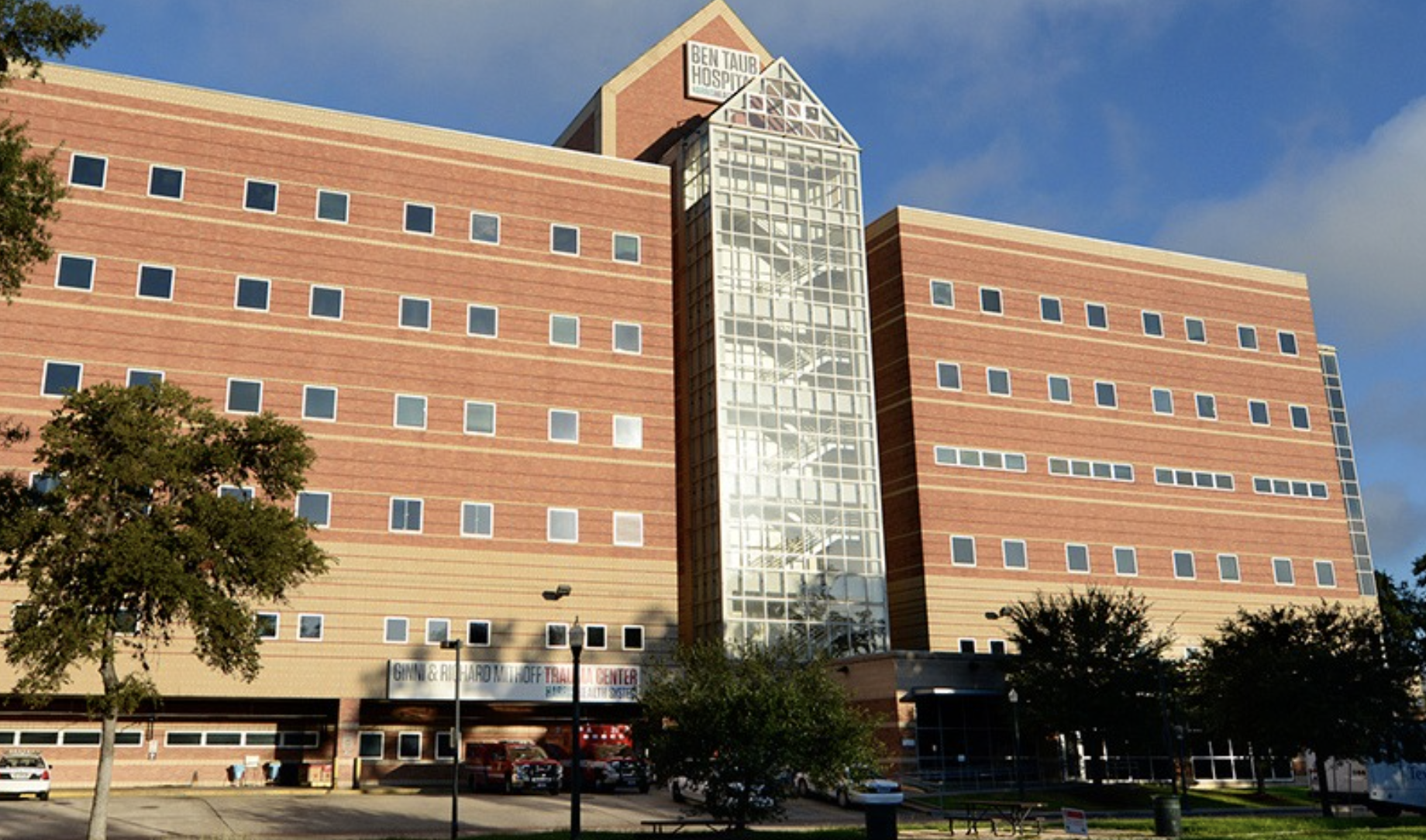
The study surveyed 345 adults in Houston and San Francisco; 99 participated at Ben Taub Hospital, located in the Texas Medical Center. The results were not disaggregated by city.
HOUSTON, Texas — A study that included patients from Ben Taub Hospital, in the Texas Medical Center of Houston found that Spanish-speaking Latino participants reported much more frequently fear of going to an emergency department due to immigration-related policies and messaging.
The research, published on October 5 in JAMA Network Open, surveyed 345 adults in three emergency departments between July 2025 and January 2026: Ben Taub in Houston and two hospitals in San Francisco.
Of the 345 participants, 100 were Spanish-speaking Latinos, 101 were English-speaking Latinos, and 144 were non-Latino English speakers.
Ben Taub contributed 99 participants: 42 Spanish-speaking Latinos, 19 English-speaking Latinos, and 38 non-Latino English-speaking patients.
The researchers did not publish results on fear or delay in care broken down by hospital or city. For that reason, the overall study percentages do not describe exclusively the Houston patients.
34% of Spanish-speaking Latinos reported fear of seeking emergency care
Among Spanish-speaking Latinos, 34% reported any degree of fear of going to the emergency department due to immigration-related policies and messaging.
The proportion was 4.6% among English-speaking Latinos and 3.2% among non-Latino English-speaking participants.
The study also found differences in perceived safety. Sixty-four percent of Spanish-speaking Latinos reported feeling unsafe living in the United States due to immigration policies and expressions considered in the survey. The proportion was 52% among English-speaking Latinos and 42% among non-Latino English-speaking participants.
After adjusting results for age, sex, insurance coverage, hospital, and other factors, Spanish-speaking Latinos remained more likely to report fear of seeking emergency care than non-Latino English-speaking participants.
The study published in JAMA Network Open was conducted by researchers from the University of California, San Francisco, Baylor College of Medicine, and other institutions.
16 patients said they delayed care due to fear
A total of 39 participants reported fear of seeking care in an emergency department. Of that group, 16 people, or 41%, said they had delayed care.
Twelve of those 16 people were Spanish-speaking Latinos.
Among those 12 participants, the median delay reported was five days, though times varied widely.
The researchers also asked whether participants knew someone who had avoided going to the emergency department for fear of being identified as an undocumented person. Affirmative responses were 38% of Spanish-speaking Latinos, 34% of English-speaking Latinos, and 29% of non-Latino English-speaking participants.
The study did not determine the migratory status of the patients
The research measured perceptions, fear, and delays reported by the participants themselves. It did not determine the migratory or documentation status of the surveyed individuals.
The study also did not assess or document the presence of immigration agents at Ben Taub Hospital.
The survey asked about various immigration policies and expressions and subsequently assessed whether those concerns were associated with perceived safety or with the decision to seek emergency care.
Because it is a cross-sectional study, the results identify associations between these perceptions and patient responses, but do not allow concluding that a specific policy caused fear or delays in seeking care.
The authors also noted that responses were self-reported, that participants were recruited through sampling conducted during weekday shifts, and that the number reporting fear was relatively small.
These limitations reduce the ability to generalize the results to all patients who use emergency departments.
The federal law protects care for medical emergencies
The Emergency Medical Treatment and Labor Act, known as EMTALA, provides protections for people who go to hospital emergency departments covered by this law.
The Centers for Medicare and Medicaid Services require that the emergency department provide an appropriate medical screening examination to determine whether there exists an emergency medical condition.
If there is an emergency, the hospital must provide treatment to stabilize the condition or arrange an appropriate transfer to another hospital when necessary.
The evaluation or treatment to stabilize an emergency cannot be refused because of:
- lack of health insurance;
- inability to pay for treatment;
- that the person is not a U.S. citizen;
- race, color, national origin, sex, religion, disability or age.
The hospital may request information about health insurance during the registration process, provided that such a request does not delay the emergency examination or treatment.
Ben Taub treats emergencies at the Texas Medical Center in Houston
Harris Health runs the Ben Taub Hospital emergency center, located at 1504 Taub Loop, Houston, TX 77030. The hospital’s general phone number is 713-873-2000.
Ben Taub is a Level I trauma center. Harris Health’s emergency care also includes Lyndon B. Johnson Hospital, a Level III trauma center located at 5656 Kelley Street in Houston.
Harris Health states that a life-threatening emergency requires calling 9-1-1 immediately.
The study authors concluded that reducing the fear that leads to avoiding care requires that emergency departments be perceived as safe and accessible spaces, and they noted the need to study interventions that improve access to these services.
The study was published in JAMA Network Open on October 5, 2026.