
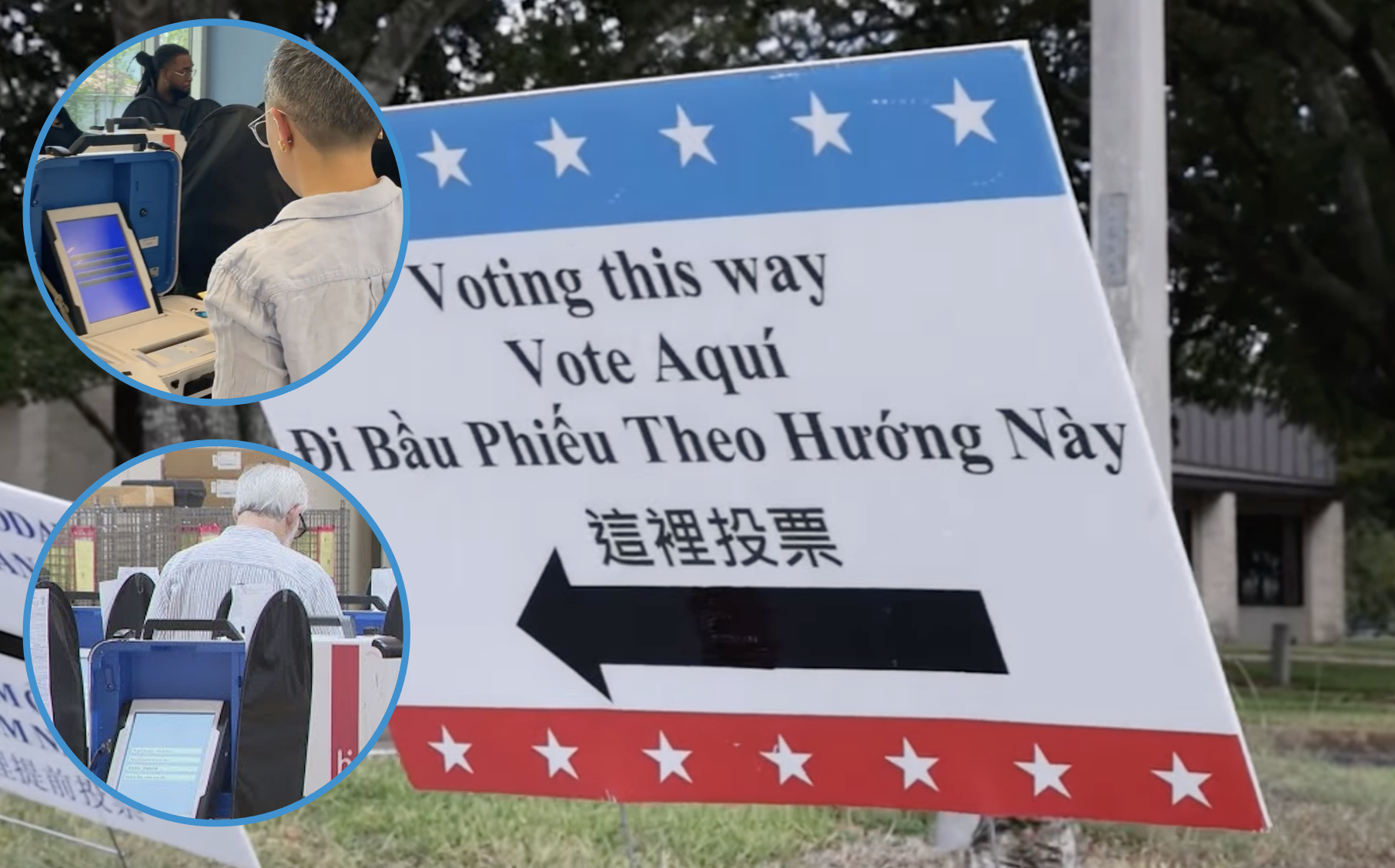
On November 3, a single electoral question will determine whether two reforms to the Houston Police Department’s policies become part of the City Charter.
The Houston Police Department (HPD) could be required to minimize the priority of petty marijuana possession offenses and to stop seeking or enforcing no-notice search warrants. The changes are part of Proposition A, also known as the Houston Freedom Act, which will be voted on Tuesday, November 3, 2026.
The ballot question would compel a decision on both measures together. The proposal also contemplates an audit of police actions related to marijuana and the publication of public reports on its implementation.
HPD would have to de-prioritize marijuana petty offenses
The first provision would require HPD to establish as its lowest enforcement priority the Class A and Class B offenses for possession of marijuana.
Under the Texas Health and Safety Code, Section 481.121, possession of up to two ounces of marijuana generally constitutes a Class B misdemeanor. When the amount exceeds two ounces and does not exceed four, it corresponds to a Class A misdemeanor.
Proposition A would not legalize marijuana in Houston. Possession would remain prohibited by state law, and the measure would not guarantee that all individuals investigated for these offenses would be exempt from arrest or criminal prosecution.
The text would also preserve officers’ authority to seize a substance when there are sufficient grounds to believe it is marijuana. In such cases, they would have to prepare a report justifying the seizure.
The reform would back alternatives to arrest or criminal prosecution where permitted by law. Among the proposed options are community service programs, mental health treatment, and substance-use treatment. Its application would depend on the circumstances of the case and the authorities’ powers.
Search warrants would require notice and a 15-second wait
The second provision would prohibit HPD officers from seeking, executing, or participating in the execution of search warrants that do not require them to knock, announce their presence, and wait at least 15 seconds before executing the warrant.
These warrants are known in English as no-knock warrants. The proposed restriction would apply to HPD officers. It would not automatically establish the same rule for the Harris County Sheriff’s Office or for all police agencies operating in the metropolitan area.
The prohibition would become part of the City Charter if voters approve Proposition A. Its implementation, like that of other provisions in the proposal, could be subject to court decisions.
Houston would have to review five years of police actions
The initiative includes oversight obligations that go beyond the two provisions summarized on the ballot.
Houston would have to conduct an audit of HPD actions related to petty marijuana offenses during the five years preceding the effective date of the new policy. The analysis would cover arrests, citations, demographic information, and estimates of workload and municipal costs.
The audit would have to be publicly presented to the City Council no later than 120 days after the measure takes effect.
Annual reports would also be required on its implementation and changes to internal policies, police training, and budgetary information related to THC testing.
The full text of Proposition A, as published by the City of Houston, sets forth these obligations and contemplates that a binding judicial decision could limit the application of certain provisions.
The Spanish municipal notice contradicts the sample ballot
The Spanish version of the sample ballot published by Harris County indicates that HPD would have to consider marijuana possession minor offenses as its lowest priority in law enforcement. That phrasing aligns with the full text of the proposal and with the English version.
However, the Spanish-language notice of the City of Houston contains a contradiction: although the initiative’s development also establishes the lowest priority, the ballot question reproduced in that notice uses the expression “maximum priority”, which communicates the opposite meaning.
The difference remained visible in the municipal notice consulted on October 29. The bilingual Harris County sample ballot, by contrast, uses the correct formulation. This comparison does not establish that the ballots used for voting contain the error in the municipal notice.
Early voting ends Friday, October 30
In Harris County, early voting will end on Friday, October 30, 2026. Polling centers will be open from 7 a.m. to 7 p.m. On Tuesday, November 3, Election Day, they will operate again from 7 a.m. to 7 p.m.
Proposition A applies to eligible voters within the City of Houston, so it may not appear on all Harris County ballots. Houston also extends into Fort Bend and Montgomery Counties, where the respective election authorities administer the voting.
Harris County offers a sample-ballot lookup to identify the contests and measures that correspond to a voter’s address.
Related: Where to vote in Harris County: centers, hours, and voting requirements.
Proposition A will be decided on Tuesday, November 3. Harris County polling centers will stay open until 7 p.m.