
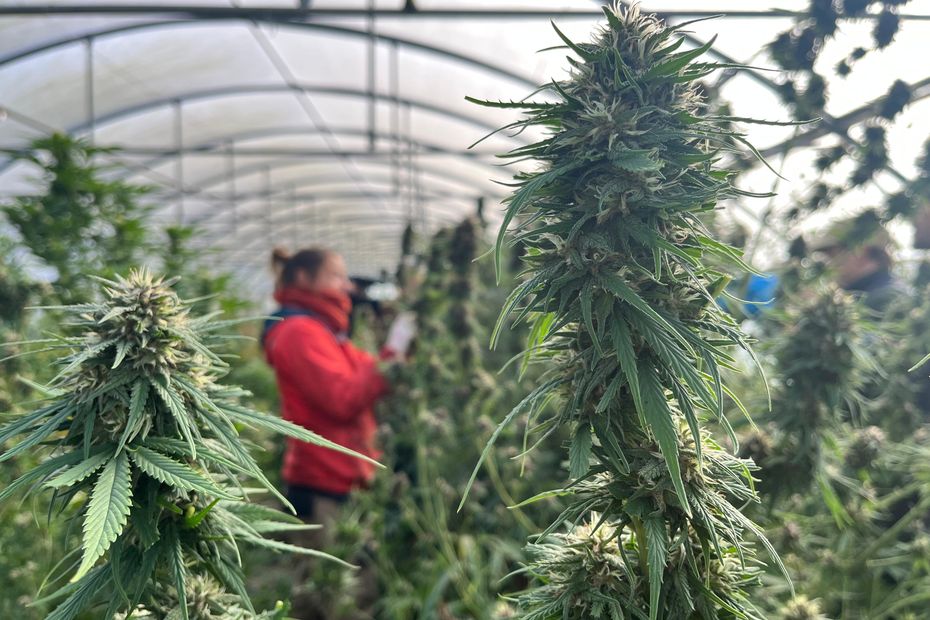
An Alsatian experiment in legal hemp
In Alsace, two friends have turned a curiosity into a small, lawful venture cultivating hemp for CBD. Since 2020, French rules have allowed farmers to grow hemp and sell CBD under strict conditions, opening a narrow but intriguing path for local producers. Baptiste Hardier, who started in 2020, and his partner Stéphane Michel now run a modest operation that is both transparent and compliant. They selected seven EU‑listed varieties to test what thrives in Alsace’s soils and climate, pursuing a measured approach before scaling.
Learning the plant’s rhythms
Hemp is a hardy crop, needing comparatively little water or intervention, and it rewards patience with resilient growth and deep roots that structure the soil. Over several seasons, Hardier learned to read the plants, timing harvest by the look and feel of the flowers rather than a calendar alone. The harvest window is brief, stretching over a focused month, and every day counts for preserving aroma and cannabinoid profiles.
Once cut, the flowers are dried carefully, with temperature and airflow managed to retain delicate terpenes and stability. The stems and leaves are largely left in the field, returning biomass to the soil but generating no revenue. As much as 80% of each plant goes unused, which means only a small fraction of the crop becomes a sellable product. The result is a modest yield in commercial terms, turning tons of green material into just a few dozen kilograms for market.
What makes CBD different
The key legal line separating CBD hemp from cannabis is the THC threshold. THC, the plant’s psychoactive compound, must remain below 0.3% in the dried flower for lawful sale in France. To maintain compliance, growers send samples to accredited labs, verifying levels and documenting results that regulators can review. This system aims to protect consumers while giving farmers a clear framework to operate within.
CBD itself is associated with relaxation rather than euphoria, a distinction that is crucial both medically and legally. Producers here emphasize traceability and restraint, framing CBD as a wellness product rather than a recreational shortcut. The industry’s credibility depends on consistency, careful labeling, and prudent claims that avoid overpromising what CBD can do.
Adults only, with caution
Both partners stress moderation and audience: “The THC levels are minimal, so the effect is primarily relaxing,” says Stéphane Michel. “It’s intended for adults in good health, and if you have any doubt, you should seek medical advice.”
Common formats on the market include:
- Infusions in hot water, often paired with a fatty base
- Culinary oils for measured incorporation into recipes
- Baked goods with labeled dosages and clear ingredients
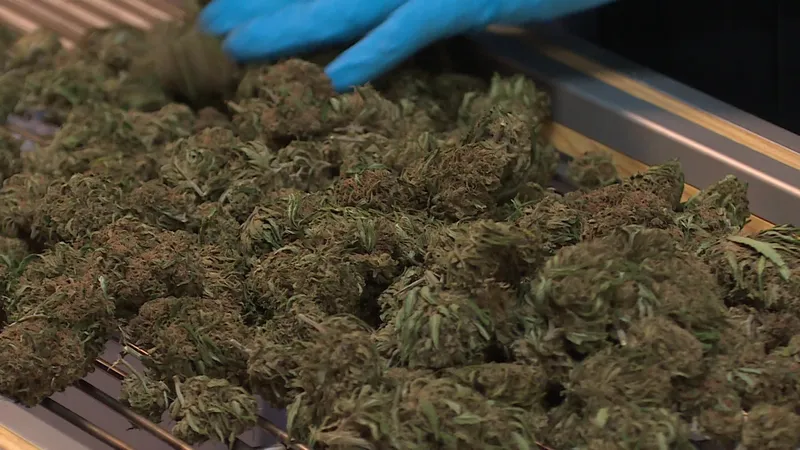
- Dried flowers sold as aromatic products with verified THC levels
Health guidance remains firm for children and pregnancy. CBD is discouraged for minors, and pregnant or breastfeeding women should avoid it due to potential risks. Even with very low THC, inadvertent ingestion by children is a concern flagged by authorities, who advocate careful storage and clear labeling at home.
A fragile business model
At roughly three euros per gram, the economics are tight for small producers like K Taz, the pair’s commercial label. After labor, testing, drying, packaging, and compliance costs, there is little margin left for growth or salaries. The reliance on flower alone further squeezes returns, since the bulk of the plant is not currently monetized. To improve viability, they would need higher volume, expanded product lines, or cooperative processing that valorizes more of the biomass.
Still, the founders see promise in incremental gains: better cultivar selection, refined drying protocols, and smarter distribution may nudge the numbers toward sustainability. Their approach remains measured, grounded in patient craft rather than speculative hype.
The bigger picture
CBD’s rise in France reflects a broader shift toward regulated alternatives within the cannabis spectrum. Environmental benefits, such as improved soil structure and carbon capture, add weight to hemp’s agricultural case. Yet the social context is delicate, especially around youth health: early cannabis exposure is linked to cognitive and behavioral issues that may persist into adulthood. That backdrop makes clarity, education, and responsible retail essential to CBD’s continued legitimacy.
For Hardier and Michel, the mission is simple but demanding: cultivate with care, comply with the law, and communicate with honesty. In a field prone to exaggeration, their Alsatian project stands for precision and restraint—proof that a small, law‑abiding farm can find its place in a cautiously evolving market.
