
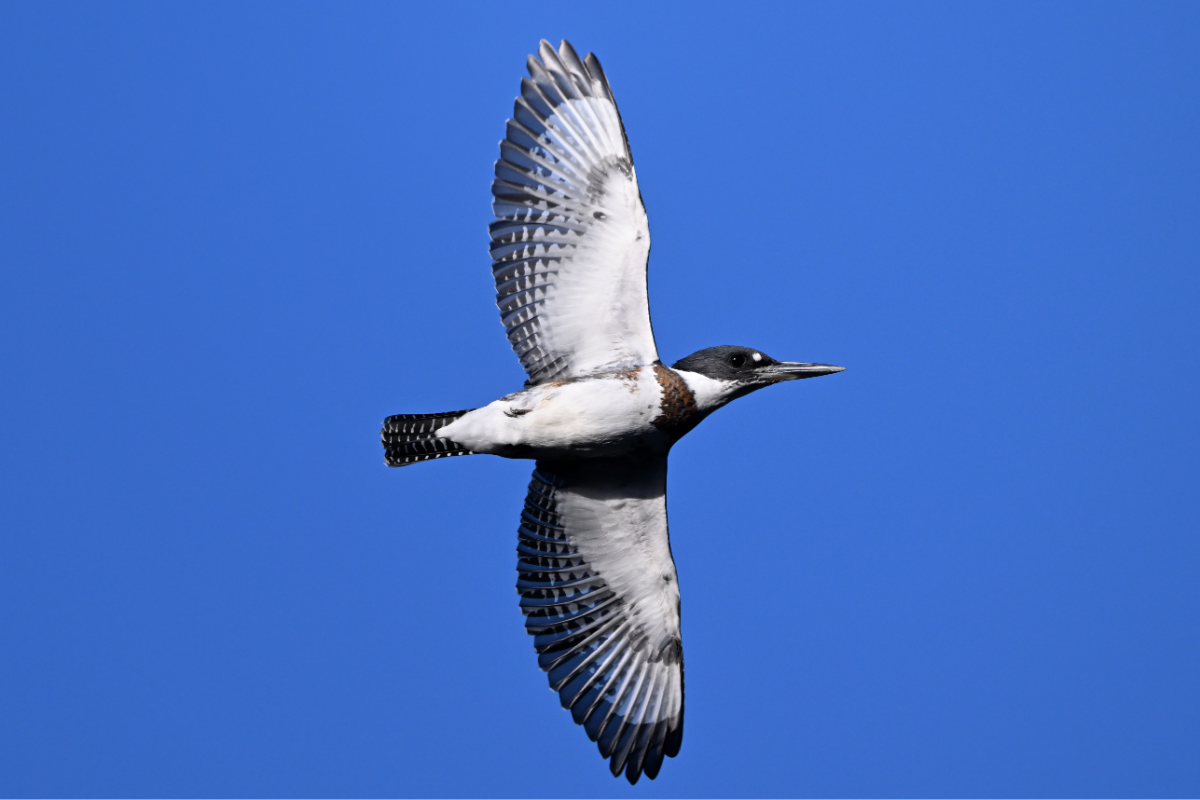
With metallic-blue wings and a punkish crest, a wayward American belted kingfisher has turned quiet Brittany into an international birding hotspot. First detected in early December near Glomel, the striking visitor has drawn crowds armed with binoculars, cameras, and quiet awe. For France’s mainland birders, this is a landmark moment: the first documented record of the species on the Hexagon.
From a phone call to national headlines
The story began along the Nantes–Brest canal, where a local naturalist phoned guide Michel to report “a strange bird” perched above reflective winter water. The next day, Michel filmed the bird through his spotting-scope and cross-checked field guides, quickly landing on American Belted Kingfisher.
Shared within expert networks, the news sparked a rush of observers from France and neighboring countries, eager to add the rarity to their lists. “It was a thrill I may never experience again,” said Bastien Jeannin, who crossed France overnight to see it.
A transatlantic detour
Ornithologists widely agree the bird is a migratory vagrant, likely swept east by an autumn storm or ferried partway while resting on a ship. Similar wayward records exist from the British Isles, Iceland, the Azores, and Spain, but never before had the species been confirmed in mainland France.
Autumn is prime time for American vagrants in Western Europe, from warblers to sparrows, with a White-throated Sparrow even reaching the Jura in 2022. In that context, a big, noisy kingfisher is improbable yet ecologically plausible, especially after deep Atlantic lows. Such vagrancy underlines the perils of long-distance navigation and the power of atmospheric rivers that can misroute birds across oceans.
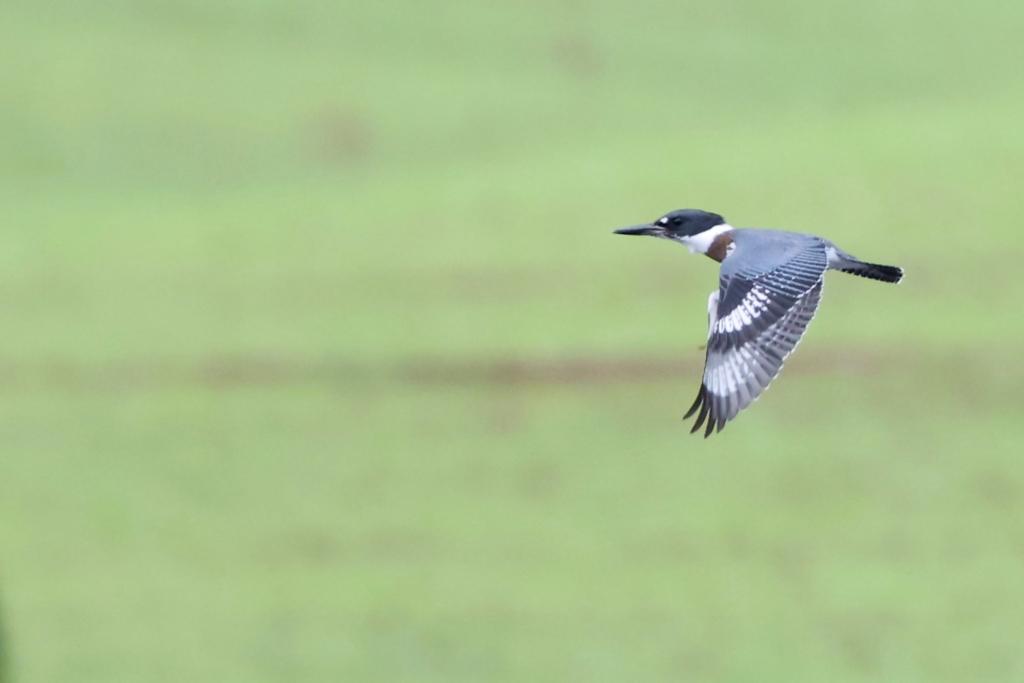
Whether this individual will linger or attempt a return west is unknowable; alone, it may never breed. “This individual is isolated and probably quite disoriented, far from traditional migration routes,” one specialist summarized.
Data that matters
By early winter, more than 250 observers had logged the bird on Faune-France, the citizen-science platform managed by LPO. Such verifiable documentation elevates a thrilling sighting into a robust scientific record with lasting value. Each photo, sound, and field note sharpens our picture of vagrancy in a warming, stormier world.
A show above the canal
Day after day, the kingfisher performs a spectacle along the canal’s wires and willows, hovering high, plunging hard, and rattling its call like gravel. Witnesses describe flight more buoyant than Europe’s Common Kingfisher, with swoops, stalls, and aerial feints uncommon on local streams.
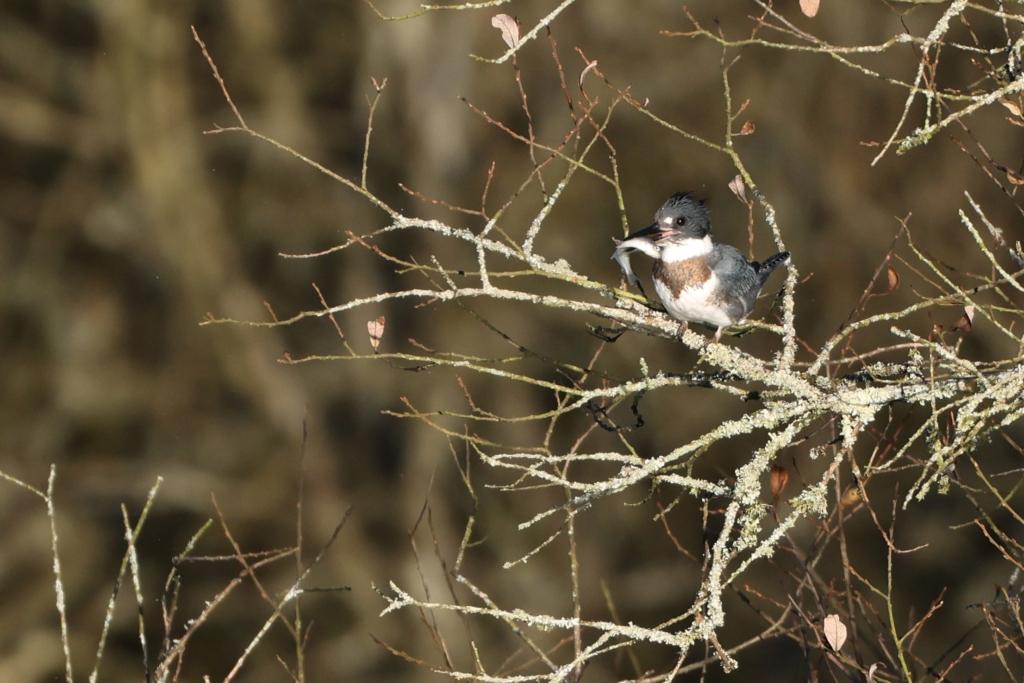
After a successful dive, it hammers fish against a branch, flips them midair, and swallows them headfirst with precision. On the menu are small cyprinids—bream and roach—evidence the newcomer has adapted to local fare and is feeding well.
Solving the ID puzzle
At first, debate swirled over sex, with many favoring a female based on partial breast patterning. A December analysis by ornithologist Marc Duquet highlighted a decisive clue: pure-white axillaries beneath the wing indicate a male of the year.
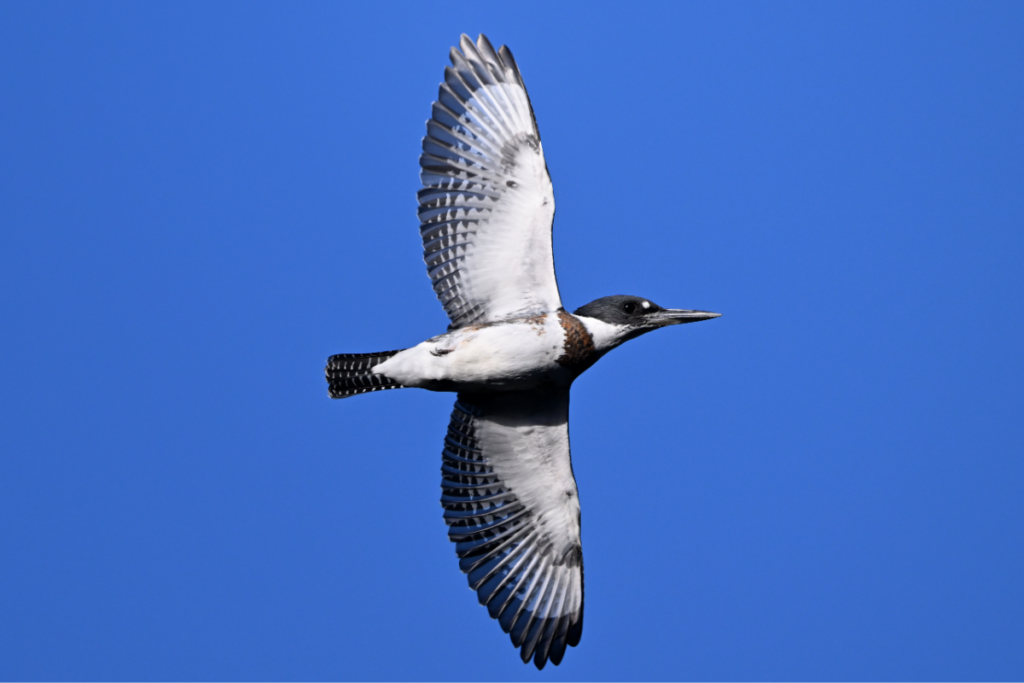
Photographs consistently show those white underwing coverts, clinching the bird as a male juvenile from 2025. The verdict quelled online arguments and enriched a growing dossier of high-quality records for the national database.
Crowds, ethics, and local impacts
The spectacle has attracted scores of watchers, sometimes exceeding a hundred along the towpath, delighting nearby businesses but frustrating anglers and joggers. “If people respect the site, stick to paths, and keep noise low, disturbance remains limited,” said Jeannin, reflecting on past flashpoints.
The mayor jokes they might have installed a parking-meter, yet reminds visitors the canal hosts otters and other sensitive wildlife. As interest swells, the find raises broader questions about travel emissions and how to balance passion with prudence.
How to watch responsibly
- Keep a respectful distance and let the bird feed undisturbed.
- Stay on marked paths and avoid trampling riverbank vegetation.
- Skip playback and frequent pishing; minimize cumulative disturbance.
- Share precise locations with care, especially during sensitive periods.
- Favor low-carbon travel and support nearby businesses.
Whatever the coming weeks bring, this shimmering visitor has reminded people across Europe that migration is both fragile and astonishing. For Brittany’s winter landscape, the kingfisher’s rattling song now carries a note of wonder—and a call to watch with care.