
A shot heard across the seas
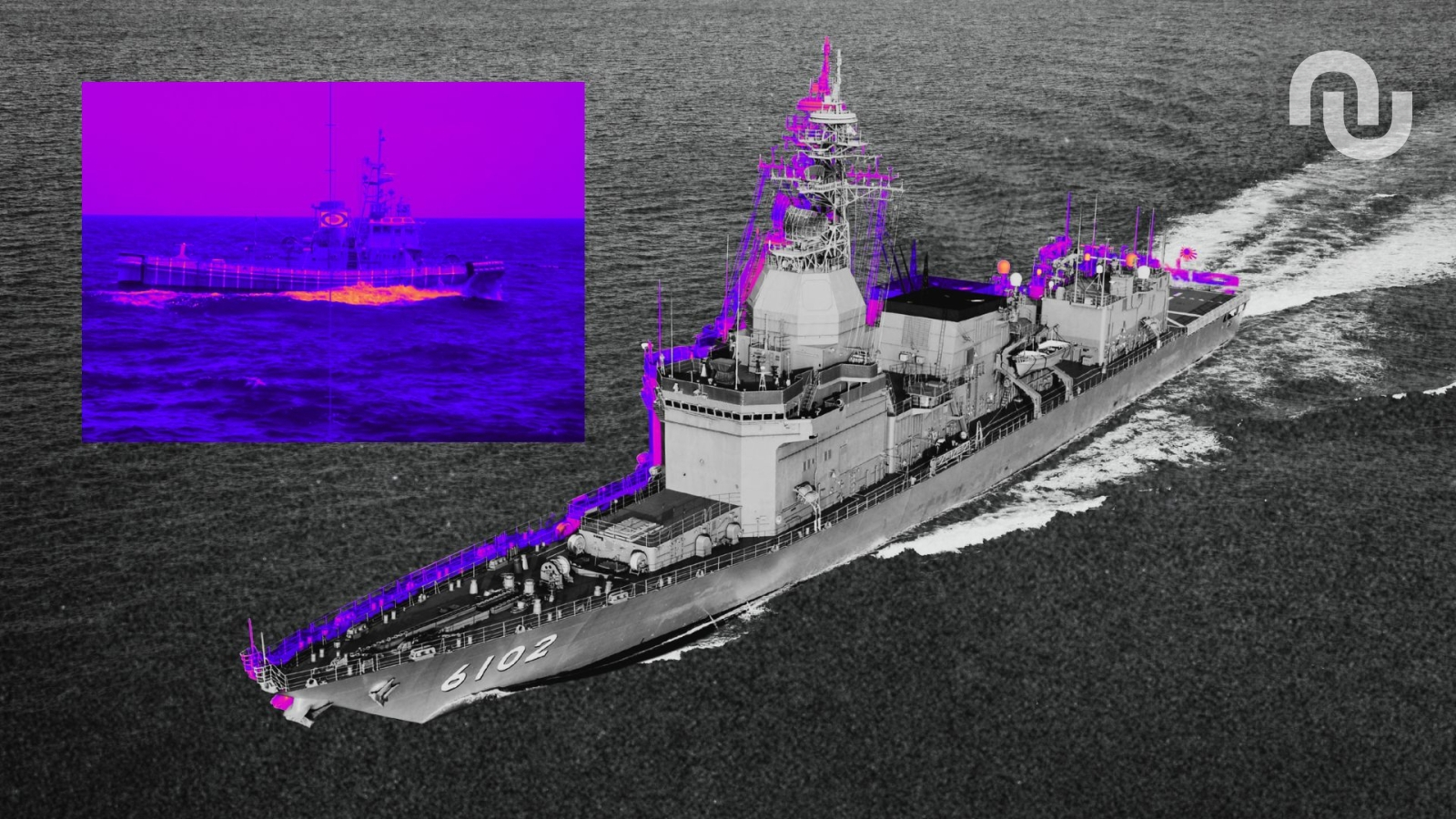
In a controlled trial at sea, a Japanese test ship fired an onboard electromagnetic gun at a decommissioned, crewless vessel. The successful impact marked a watershed in Japan’s naval experimentation, signaling a maturing path from lab bench to blue-water use. For allies and competitors alike, the demonstration was a clear message that railgun technology is moving from promise to practice.
Japan’s testbed, the JS Asuka (ASE‑6102), hosted the new weapon during late spring and early summer trials. A separate ship, stripped of its crew, served as the target in a rare, controlled “ship‑to‑ship” scenario. “It is the first time a ship‑mounted electromagnetic gun has successfully fired at a real vessel,” Japan’s Acquisition, Technology and Logistics Agency (ATLA) noted on September 10.
Why a railgun changes the calculus
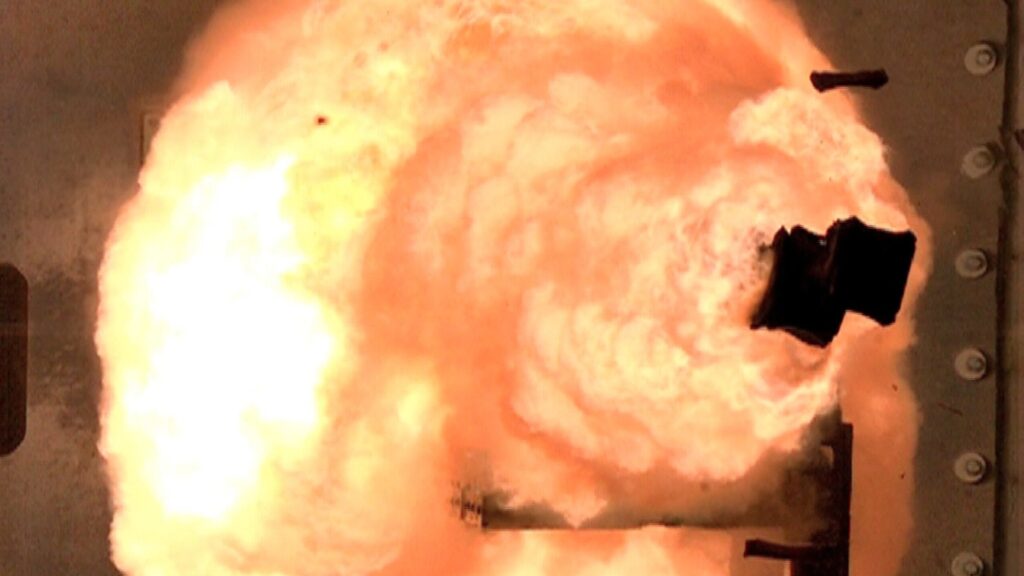
Unlike conventional naval guns, an electromagnetic launcher accelerates projectiles using intense currents rather than chemical propellants. The result is extreme velocity, with shot speeds reportedly reaching the Mach 5–7 band in future configurations. At such speeds, kinetic energy alone can deliver devastating terminal effects.
Beyond raw speed, the architecture carries notable advantages. Projectiles can be inert, reducing onboard explosive risk and simplifying storage and logistics. Smaller rounds mean ships can carry more ammunition, raising sustained‑fire potential for layered defense.
Key benefits highlighted by defense officials and industry analysts include:
- Lower cost‑per‑shot than many modern anti‑ship or air‑defense missiles
- Reduced signatures versus large rocket‑boosted weapons
- Higher survivability against interception due to sheer velocity
- Scalable magazines and rapid reload potential aboard surface combatants
- Versatility for anti‑ship fire, point defense, and even ballistic missile defeat in later iterations
The hard problems that still loom
Electromagnetic launch is brutally demanding on shipboard power and thermal margins. To accelerate a projectile that fast, a vessel must generate, store, and rapidly discharge immense energy with tight timing precision. That burden stresses generators, power electronics, and integrated grids across the platform’s architecture.
Materials engineering remains a core challenge. Rails face severe erosion, requiring novel coatings, advanced metallurgy, and maintainable barrel modules. Heat must be wicked away through robust cooling loops to preserve integrity and shot‑to‑shot repeatability. Guidance and fire‑control software must solve for atmospheric drag, plasma effects, and sea‑state jitter at hypersonic‑adjacent speeds.
These constraints shape near‑term deployment. Expect integration first on ships with surplus generation capacity, advanced combat systems, and room for energy buffers such as pulsed‑power modules. As hardware matures, navies can iteratively move from demos to limited roles before full operational tasking.
A strategic signal in a shifting Indo‑Pacific
Japan’s test lands amid a sustained increase in defense spending and a sharpened regional focus on maritime deterrence. Demonstrated progress offers both reassurance to partners and a pointed reminder to rivals watching the first ship‑to‑ship railgun trial. The message is subtle yet firm: novel naval fires are edging closer to reality.
Europe is watching with keen interest. In spring 2024, Japan, Germany, and France launched a cooperative push on electromagnetic gun technologies, pooling research to accelerate breakthroughs. Shared advances in materials, power electronics, and targeting could shorten development timelines across multiple fleets.
What the road to service may look like
Even with a successful ship‑to‑ship shot, the path to frontline service remains incremental. Engineers will likely iterate on barrel life, power‑conditioning, and thermal stability before expanding firing envelopes against more complex targets. Trials could progress from static hulks to maneuvering drones, supersonic surrogates, and stressing sea‑skimming profiles.
Operational concepts will evolve in parallel. A railgun battery could complement vertical‑launch missiles, absorbing cheaper, high‑volume tasks while preserving expensive interceptors for hard‑kill threats. In coastal defense or convoy protection, the system might extend layered coverage at favorable cost‑per‑engagement ratios.
Procurement decisions will hinge on total ownership costs, reliability under salt‑spray conditions, and crew‑level maintenance burdens. If Japan sustains its current tempo, limited operational capability could arrive on select hulls before the decade’s end—though exact timelines will depend on test data and budgets.
In the meantime, the demonstration already matters. It validates shipborne integration, sharpens engineering targets, and nudges competitors to reassess their own priorities. Above all, it shows that the railgun is no longer just a concept, but a weapon system steadily entering the maritime mainstream.