
Sustainable weight loss rarely comes from a single trick, yet adding one small, nutrient-dense seed helped me reshape daily habits in a surprisingly simple way. By pairing mindful eating with consistent movement, I created a realistic routine that delivered steady, motivating results. Over one focused month, I built momentum with structure, attention to portions, and this crunchy staple that made healthy choices feel more satisfying.
Why this seed supports healthy weight management
Sunflower seeds pack a powerful blend of protein and healthy fats that increase post-meal satiety. That fuller feeling can naturally reduce snacking and help maintain a comfortable calorie balance. Their fiber supports steadier blood sugar, which reduces the urge to reach for quick, ultra-processed foods.
These seeds are rich in polyunsaturated fats, which can replace less healthy fats in everyday meals. That swap supports heart-friendly patterns while keeping dishes delicious and versatile. Sunflower seeds also deliver vitamin E, magnesium, and selenium, a trio that supports cellular defenses and overall metabolic health.
Because they are calorie-dense, portion awareness is crucial, yet that density also makes small servings genuinely satisfying. A modest handful can transform a salad, soup, or yogurt, adding crunch without derailing your overall intake. When used strategically, they help align appetite with your goals, not against them.
What a month taught me
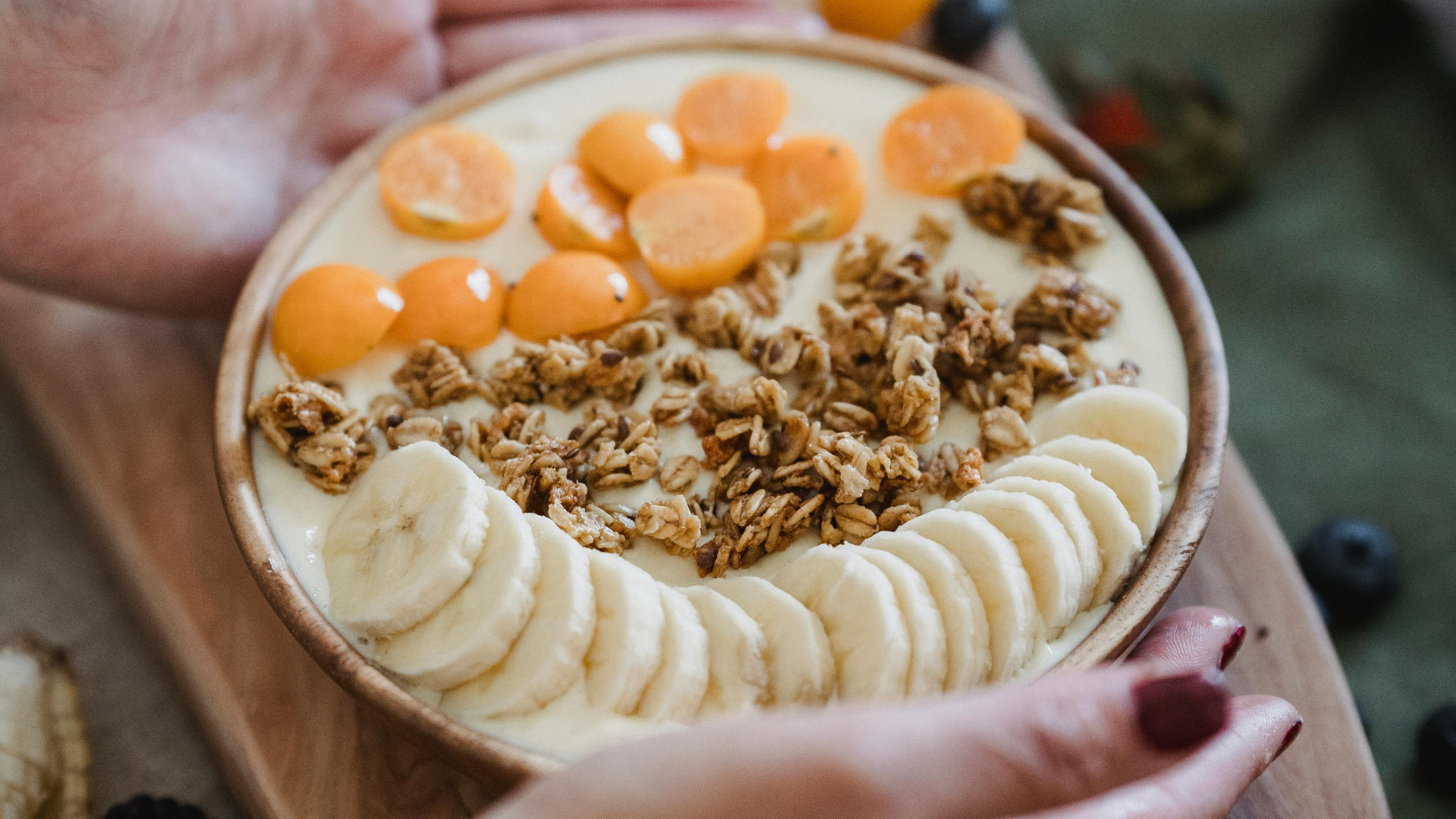
I built a daily rhythm that felt both doable and energizing, using about two tablespoons of unsalted, lightly toasted sunflower seeds. I added them to breakfast bowls and salads, or enjoyed them as a mid-afternoon pick-me-up with fruit and tea. The combination of crunch and nutty aroma turned ordinary meals into something more pleasurable, which made consistency much more likely.
I committed to simple movement—brisk walks most days, short strength sessions twice a week—and kept meals colorful with lean proteins and vegetables. I prioritized sleep and hydration, which improved hunger cues and energy throughout the day. Over four weeks, the scale moved steadily, and my waistline felt less puffy, especially when sodium stayed moderate.
“As the days added up, the small choices felt easier, and the routine began to feel like a natural part of my life,” I noted in my journal. “I wasn’t chasing perfection—just repeating a few simple habits that actually fit my schedule.”
Smart ways to use sunflower seeds
- Keep portions measured: about 25–30 g (two tablespoons) is usually plenty.
- Choose unsalted or lightly toasted for better sodium control and flavor balance.
- Pair with protein and fiber—think Greek yogurt, lentil soups, or hearty salads—to extend satiety.
- Sprinkle on roasted vegetables or grain bowls for texture and nutrient density.
- Avoid sugar-coated or ultra-salty mixes that undercut your overall goals.
- Store in a cool, dark place—or refrigerate—to protect delicate oils from going rancid.
- Combine with consistent movement and regular meals for steady, sustainable progress.
Beyond the scale: additional benefits
Sunflower seeds offer heart-friendly nutrients, including vitamin E, phytosterols, and unsaturated fats. Vitamin E acts as a potent antioxidant, helping defend cells against everyday stressors. Phytosterols can support healthy cholesterol balance, particularly when they replace less healthy snacks.
Magnesium in these seeds supports muscle and nerve function, which matters when you add more walking or strength work. Together, these nutrients can help you feel more energized, making active choices feel less like a chore and more like a daily boost. While no single food is a magic bullet, these layered benefits make sunflower seeds a smart, enjoyable addition.
Cautions and thoughtful balance
Because they’re energy-dense, a small excess can tip your calorie balance, so portion awareness remains key. People with seed allergies should, of course, avoid them and choose alternative nutrient-dense snacks. If you manage a medical condition or take specific medications, discuss dietary changes with a qualified professional.
Also watch for added sodium or sugars in flavored seed mixes, which can undermine heart and metabolic goals. Keeping a simple pantry—plain seeds, spices, olive oil—makes it easier to build meals that are both tasty and supportive of your aims.
The habit that sticks
What truly moved the needle was consistency, not perfection. A measured daily sprinkle of sunflower seeds, balanced plates, and steady movement created a pattern I could keep. Each small choice reinforced the next, turning momentum into a sustainable, confidence-building routine. If you want a realistic boost to an already balanced approach, this humble seed can be a crisp, satisfying ally in your everyday kitchen.
