
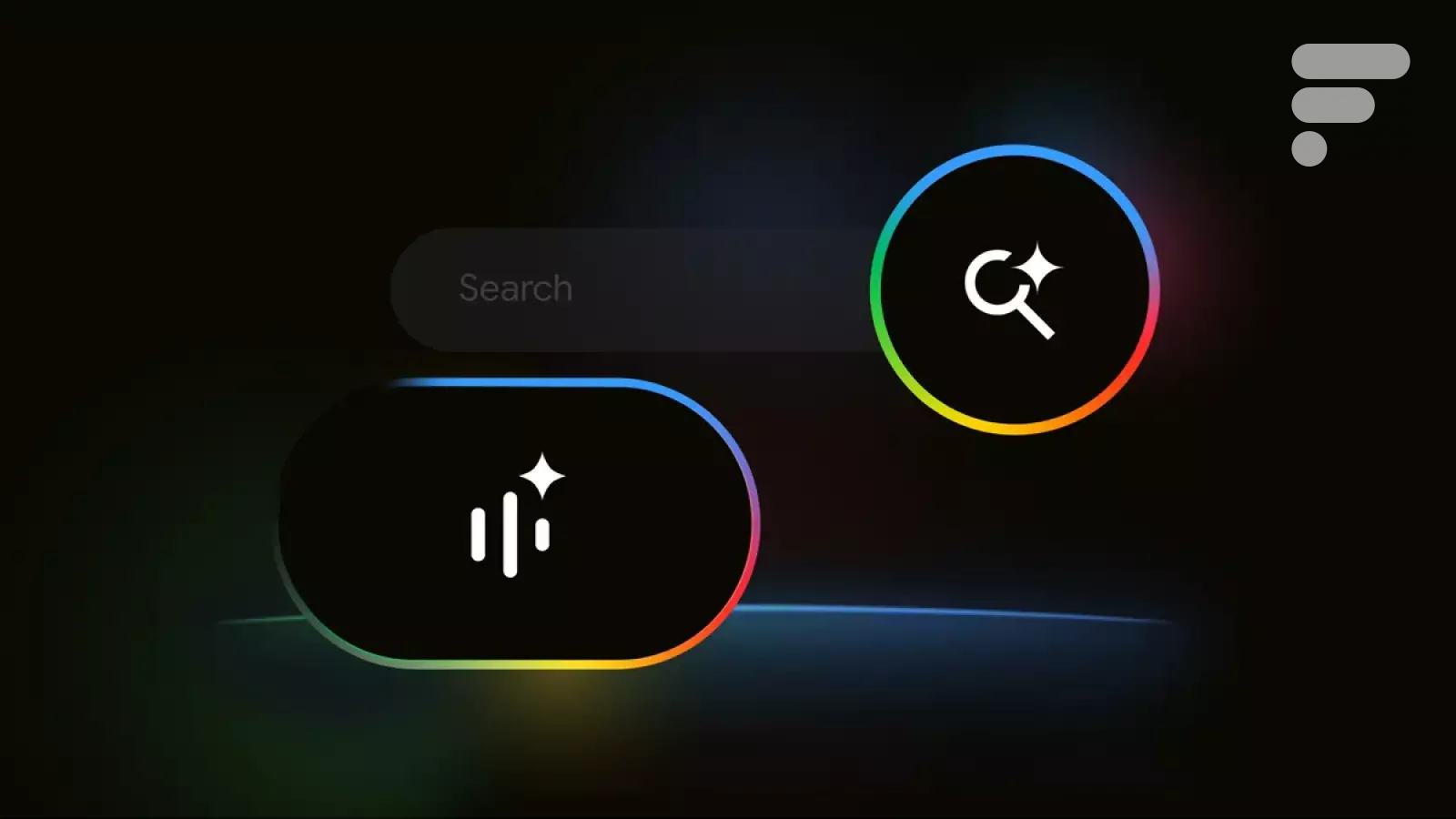
A new, conversational layer is quietly reshaping how we use the Google app. Instead of typing, you simply speak, and answers flow back in natural, real time. Powered by on‑device and cloud AI, the experience feels less like a search box and more like a dialogue you can interrupt, refine, and steer.
From taps to talk
Search Live turns conventional queries into a seamless voice‑first conversation. You ask a question out loud, and a synthetic voice responds while relevant links appear on screen. Instead of jumping between pages, you keep talking, narrowing or expanding the topic as you go.
Crucially, you can interrupt the response at any time to ask a follow‑up, request a detail, or pivot entirely. It’s similar in spirit to Gemini Live, and reminiscent of Arc’s early experiments with AI‑assisted browsing. The friction of rephrasing every new query disappears, replaced by one persistent, context‑rich thread.
A time‑saver for complex journeys
The real power shows up when tasks involve many moving parts. Think trip planning, product research, or learning a tricky skill with lots of unknowns. Search Live decomposes your goal into steps and helps you navigate options without losing momentum.
Picture a hiking plan: “Find national parks in Utah that allow dogs and have scenic trails.” You get a quick list, then ask, “What gear do I need for a day hike there?” Next: “Where can I buy these items near me?” Each response builds on the last, compressing what used to be multiple searches into one conversational flow.
What you’ll notice right away
- Faster back‑and‑forth with natural voice input and spoken replies
- On‑screen cards with source links you can tap for deeper reading
- The freedom to interrupt, refine, or switch topics mid‑answer
- Less copy‑pasting between separate searches and open tabs
- A growing sense that “search” is turning into real‑time guidance
The web’s uneasy tradeoff
All that convenience raises tough ecosystem questions. When succinct, AI‑crafted answers meet your needs, you might click fewer links, which can affect publishers and independent creators who rely on that traffic. The balance between helpful summaries and a healthy open web remains delicate.
Then there’s the issue of accuracy. Even impressive systems sometimes miss nuance, misread context, or surface outdated facts. Google itself cautions users to double‑check AI‑generated content, because fallibility doesn’t vanish just because the format feels more human.
“Verify Gemini’s answers; it can be wrong—even about people.”
That reminder should apply to voice‑led search, too. Transparency about sources, easy access to original pages, and clear prompts to verify claims will all matter as adoption spreads.
Availability and how to try it
Search Live is rolling out in tests through Search Labs in the United States, on Android and iOS. Early access means features may change, responses can evolve, and performance will continue to improve with feedback.
If you gain access, a few tips can help you get more value:
- Start broad, then use quick follow‑ups to add constraints.
- Ask for alternatives when you want perspective, not just a single answer.
- Say “show me sources” when you need to read the underlying pages.
- Interrupt politely to redirect the assistant as your goal shifts.
The beginning of ambient search
Voice has always promised a more natural interface, but latency, accuracy, and context often broke the spell. With Search Live, the loop feels tighter and more forgiving, hinting at a future where asking your phone is as smooth as asking a friend.
It’s also a nudge toward ambient, everywhere‑search—lightweight, hands‑free, and woven into daily tasks. Whether you’re cooking, driving, or comparing specs on the couch, the path from question to useful action gets shorter.
For many of us, that shift will make “search” feel less like a destination and more like a continuous companion. The challenge is ensuring that this new ease doesn’t come at the cost of a vibrant, diverse web—and that the answers we hear remain as trustworthy as they are convenient.