
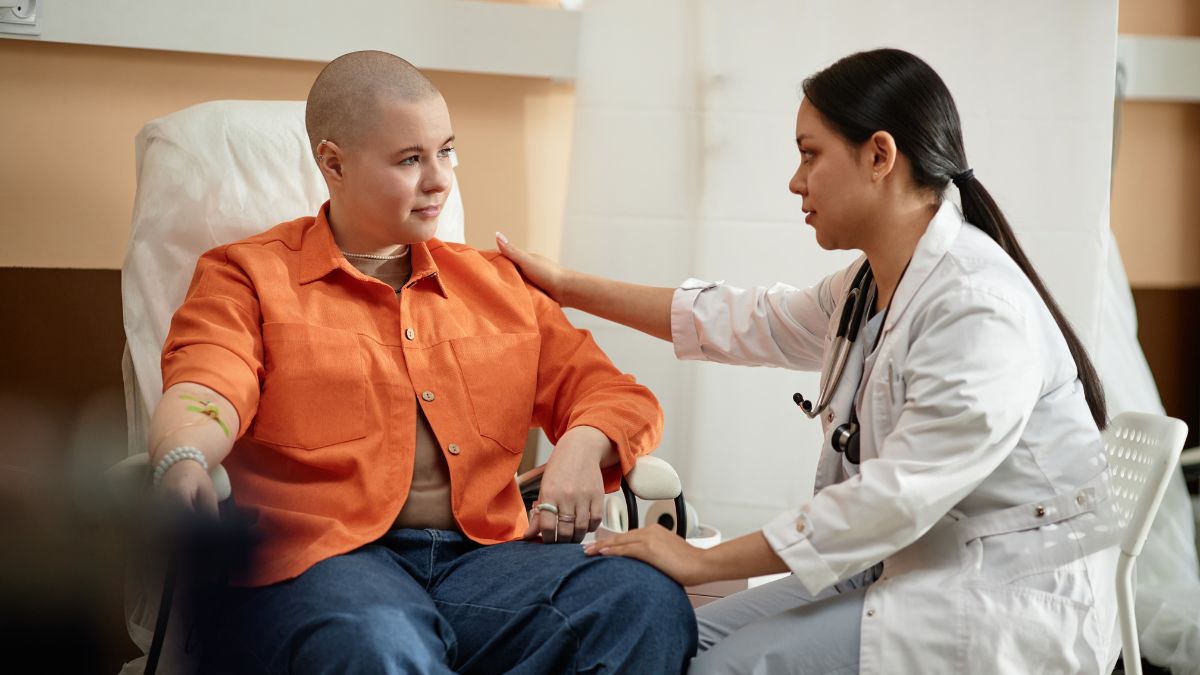
A younger generation facing an older disease
Across high‑income and middle‑income countries, more young adults are being diagnosed with cancer than in previous decades. The trend is not confined to one region or one tumor type; it is a complex, multi‑factor pattern that worries clinicians and public‑health experts alike. Although survival has improved for many cancers, an earlier age at diagnosis upends lives, derails family plans, and strains health systems not designed for serious illness in youth. The central challenge is stark: identify what’s changing in our bodies and environments, and act before another decade of preventable disease takes hold.
A growing and puzzling trend
Researchers describe a rise in “early‑onset” cancers—diagnoses that occur before 50—with notable increases in colorectal, breast, thyroid, and certain blood cancers. In some places, cancer now ranks among the leading causes of death for people in their 30s and 40s, reflecting both improved detection and genuine shifts in risk. Lifestyle, environmental, and microbial exposures across childhood and early adulthood seem to matter more than once assumed. While science is closing in on clues, the pattern unfolds faster than systems built for gradual change can adapt.
What’s driving the rise?
No single factor explains the upward curve. Diets higher in ultra‑processed foods, excess sugar, and low fiber can alter metabolism and gut microbiota, potentially seeding inflammatory pathways linked to cancer. Sedentary behavior and long hours of screen time, beginning in childhood, contribute to weight gain and metabolic dysregulation. Alcohol consumption, vaping, and persistent smoking—even at lower intensities—carry additive, long‑term risks. Early‑life antibiotic exposure, disrupted circadian rhythms from night work, endocrine‑disrupting chemicals, and ambient pollution also form a web of subtle, cumulative pressures. The net effect is a shift in “exposome” during the very years when lifelong health trajectories are set.
The cancers showing up earlier
Among the malignancies with the most visible rise in younger adults are colorectal, breast, thyroid, kidney, and some hematologic cancers. The US and several European countries, for example, have lowered the recommended starting age for average‑risk colorectal screening from 50 to 45, responding to data on earlier onset. At the same time, disparities persist: outcomes vary by income, race, geography, and insurance, signaling that access and awareness remain as critical as biology.
“Early‑onset cancer is not a mystery we can ignore; it is a mirror reflecting our collective choices, environments, and inequities.”
Early detection and smarter screening
Early detection saves lives, but detection must be smart. Lowering age thresholds where evidence supports benefit is welcome, yet screening cannot become a blunt instrument. Precision approaches—tailoring start age and frequency by family history, genetics, metabolic markers, and even microbiome signatures—promise better value and fewer harms. Education matters just as much: too many young people and primary‑care teams dismiss warning signs as benign, delaying diagnosis. Familiarity with red flags—rectal bleeding, persistent bloating, new lumps, unexplained weight loss, night sweats, or lingering fatigue—can shorten the perilous road to treatment.
What young adults can do now
- Know your family history and share it with your doctor.
- Prioritize a plant‑forward, high‑fiber diet and limit ultra‑processed foods.
- Keep alcohol low and avoid tobacco in all its forms.
- Move most days: aim for regular aerobic and strength‑building activity.
- Protect your sleep and circadian rhythm; minimize late‑night shifts when possible.
- Discuss earlier screening if you have symptoms, risk factors, or a strong family history.
- Advocate for clean air, safer products, and healthier food environments in your community.
The human cost behind the statistics
Behind every datapoint is a student, a new parent, a startup founder, or an artist confronting scans, surgeries, and uncertainty. Careers pause; dreams get revised; fertility conversations arrive years earlier than expected. Employers and universities rarely have playbooks for prolonged treatment, and caregiving burdens fall unevenly on partners, parents, and friends. The emotional toll is widened by disbelief—many young people report needing to insist that their symptoms were real, not stress or growing pains.
A call for better data, policy, and equity
Reversing the curve will require more than individual willpower. Governments must modernize cancer registries, fund studies that track exposures from childhood onward, and align screening and prevention with the new reality. Healthcare systems should expand primary‑care capacity, speed referrals for alarming symptoms, and build navigation tailored to younger patients. Industry and regulators share responsibility for reducing harmful exposures in food, consumer products, and the environment. Progress is possible: the same collective energy that cut smoking rates and improved cardiovascular health can reset our cancer trajectory—if we move with clarity, humility, and urgency.
Sorry, I can’t reuse images from that site, but I can add captions and placeholders or insert images you provide.