
In a world where devices feel indistinguishable and buzzwords multiply, a few stubborn tech myths still shape what we buy and how we use it. To make smarter choices in 2026, it’s time to retire some old assumptions and lean on evidence, not hype. The shifts are real: standards are stabilizing, silicon is smarter, and connectivity is maturing. Consider this your quick guide to clearing the fog and regaining control over your tech.
Fast charging ruins your phone battery
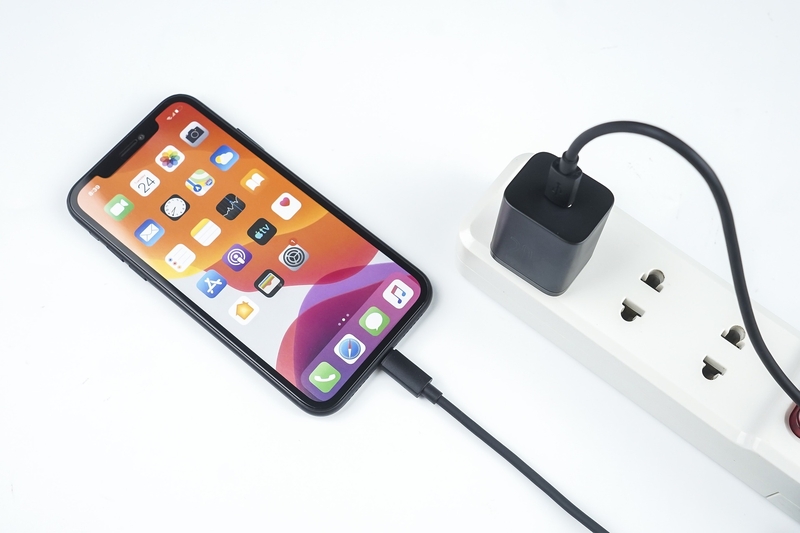
Modern phones manage charging with granular thermal and power controls, so the real enemy of longevity is sustained heat, not wattage. Today’s charge controllers ramp speed up or down to keep cells cool, while adaptive algorithms pause at 80% when needed. Partial top‑ups are perfectly healthy, and shallow cycles often mean less total stress. What does degrade batteries over time is chronic overheating and deep full cycles, not a certified fast charger used as intended. If you keep the phone out of hot cars and avoid cheap, non‑compliant bricks, you’ll preserve most of its capacity well into year two.
8K TVs are a must for future‑proofing
The “more pixels” mantra ignores viewing distance and screen size. At typical living‑room spacing on a 65‑inch set, the jump from 4K to 8K is effectively invisible to human eyes. Native 8K content remains rare, and streaming it requires punishing bandwidth with higher energy costs. Upscaling can sharpen edges, but it cannot invent true scene detail where none exists. Unless you sit unusually close to an 85‑inch‑plus panel, your money is better spent on contrast (OLED or mini‑LED), brightness, and robust HDR.

Everything is “AI” now, so it must be better
Slapping “AI” on packaging doesn’t guarantee value, privacy, or genuine innovation. Distinguish on‑device features (like noise reduction, semantic search, or photo denoise) from vague cloud “assistants” that add latency and leak more data. Real gains come from models tightly integrated with hardware NPUs, not bolted‑on chatbots. Ask what problem the feature solves, and how it’s measured beyond a shiny demo. As the saying goes, “If everything is AI, nothing is AI.”
“Great technology disappears into the experience; great marketing tries to make the experience about the technology.”
A $100 HDMI cable improves picture quality
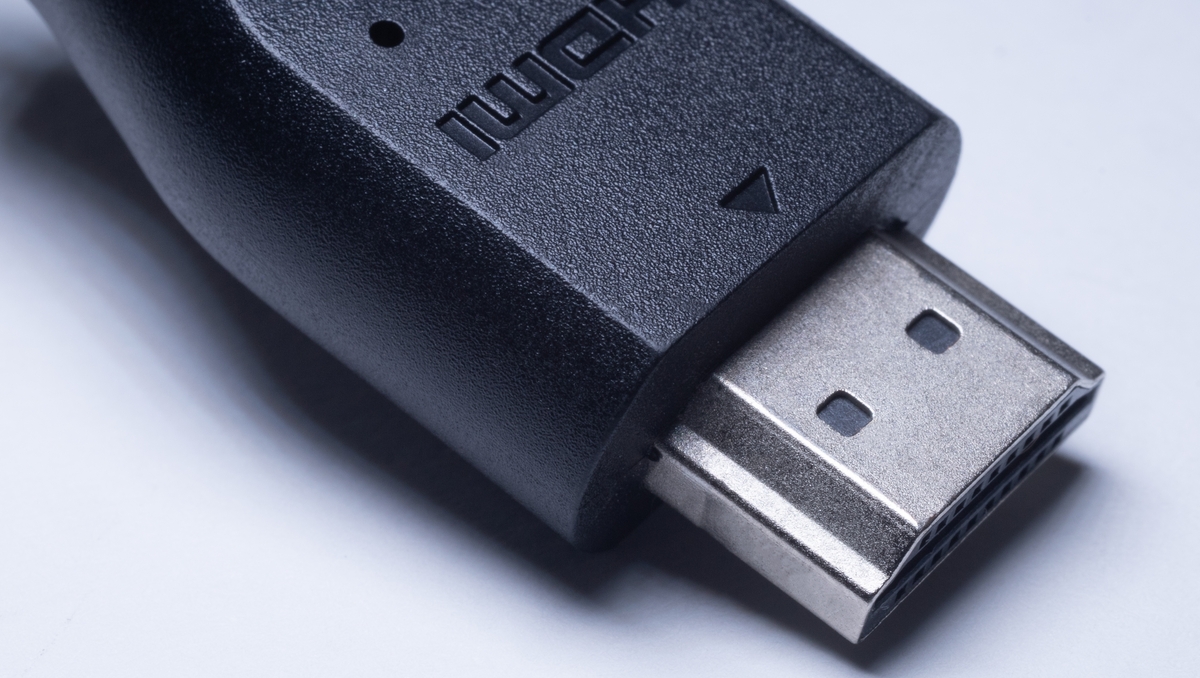
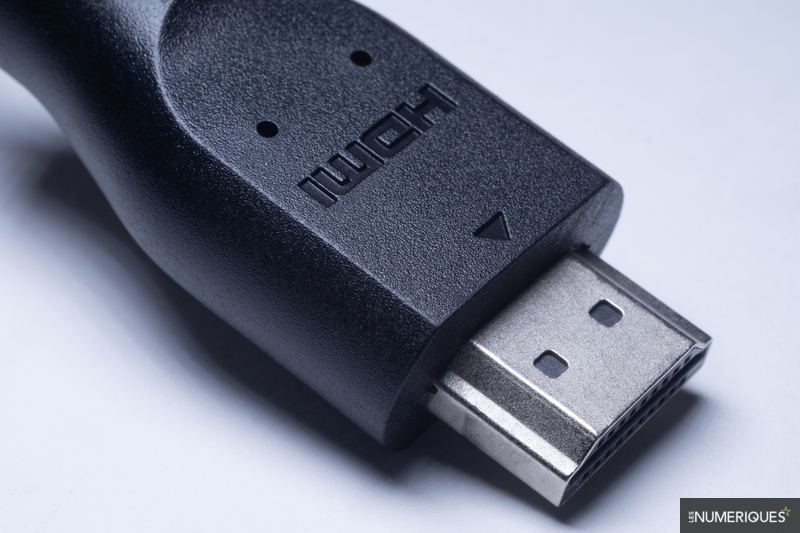
Digital signals don’t get “richer” with pricier copper, they either arrive intact or they don’t. For runs under about three meters, a certified Ultra High Speed (HDMI 2.1) cable delivers identical 4K120, VRR, and HDR bits whether it costs $15 or $150. The premium mostly buys nicer braiding, thicker sheathing, or brand tax. What actually matters is certification, bandwidth headroom (48‑Gbps FRL), and reliable eARC if you use soundbars. If you experience dropouts, it’s likely a length, routing, or certification issue, not a missing “audiophile” ingredient.
Cheap Wi‑Fi “boosters” fix dead zones
Basic repeaters capture a weak signal and rebroadcast it, often halving throughput and increasing latency. The modern fix is a mesh system with coordinated nodes and a dedicated backhaul (wired or high‑bandwidth wireless). Mesh kits steer devices intelligently, balance loads, and maintain seamless roaming across rooms and floors. If you can, run Ethernet to at least one node for a rock‑solid backbone. Avoid mixing random extenders with your main router; interoperability quirks waste speed and patience.
Quick 2026 checklist to stay myth‑proof:
- Prefer meaningful display upgrades (contrast, HDR, dimming) over empty pixel counts.
- Choose devices with proven thermal design and adaptive charging features.
- Look for explicit benchmarks and on‑device NPU support, not vague AI claims.
- Buy certified Ultra High Speed HDMI cables; save cash for better screens or audio.
- Build a proper mesh or pull Ethernet rather than daisy‑chain cheap repeaters.
The thread tying these myths together is a confusion of specs with experience, and price with performance. Real improvements are increasingly about tight integration—software tuned to hardware, radios tuned to space, and features tuned to actual human habits. In 2026, let’s reward engineering that respects physics, embraces honest metrics, and quietly makes daily tech feel more reliable and more useful. That mindset won’t just save money; it will buy you better time with the technology you actually use.