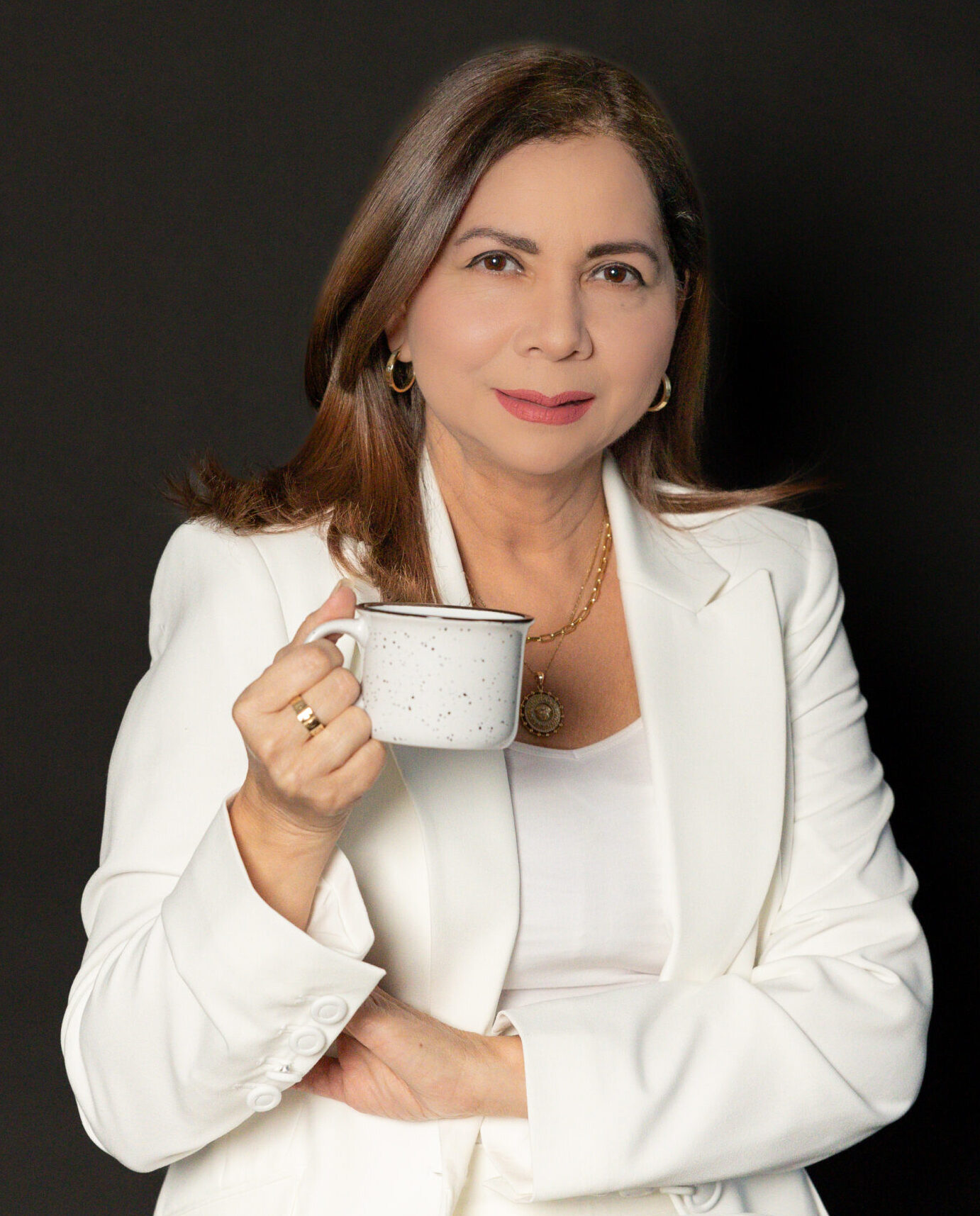
By Milagros Durán (*)
The early hours of January 3, 2026 marked a turning point in the contemporary history of Venezuela. That day, Nicolás Maduro —who for more than a decade steered the country along the path of authoritarianism, censorship and economic devastation— was captured and transported to a federal prison in the United States. He will face charges of terrorism, drug trafficking and money laundering, activities aimed at destabilizing the United States.
Twenty-six years of Cuban-style socialism, almost three decades of destroying the standard of living of Venezuelans. From Hugo Chávez (1999) and then his political heir, Nicolás Maduro (2013-2026).
I am writing these lines from exile. As a journalist, I worked for twenty years at the most important newspapers in Caracas; and I have always been a voice critical of the Chávez era, so, like many of my compatriots, I was forced to leave my country nearly twenty years ago; I was pursued for saying what the red hierarchy did not want to hear.
From exile, I continue daily to follow the events in Venezuela, not with the coldness of an analyst, but with a deep emotional connection, because Venezuela beats inside me, like the “Alma Llanera” and the tunes of Simón Díaz.
The so-called “21st-century socialism” has been a catastrophe for Venezuela. They achieved the unthinkable: economically bankrupting the country with the planet’s largest oil reserves. They expropriated the most productive companies in the industrial, food and livestock sectors; not to put them at the service of the people, but to condemn them to inefficiency and neglect. They suspended individual freedoms, criminalized dissent and imposed a strict censorship, silencing the press, radio and television. And, astonishingly, they even managed to block social networks. They silenced an entire country.
The “beautiful revolution” Chávez spoke of became a regime that ferociously oppressed the Venezuelans. And it sustained itself through rifles and fear.
The citizen protests in Caracas and across the country were repressed with bullets, jail and torture. They produced a diaspora of more than 8 million Venezuelans, thousands of exiles… and a country deeply wounded.
As of the date I write this — the early days of January 2026 — the chavista regime, with Delcy Rodríguez as acting president, maintains more than a thousand political prisoners, most subjected to cruel treatment, sexual abuses and torture.
Nicolás Maduro and other regime officials will also face trial before the International Criminal Court for crimes against humanity, for hundreds of cases documented before this Hague institution.
That is why I celebrate —as do most of my compatriots— the capture of Nicolás Maduro. Like so many others before him, Maduro also believed —illogically—that power was eternal. Today, his fall confirms an old lesson: power has cold hands and tends to let go of those who use it to oppress. The ends of mafiosos are rarely glorious. And Venezuela, after twenty-six long years of tyranny, will be marked forever, perhaps immune to the mirage of communism and to the caudillos who promise redemption while filling their pockets with the wealth of their own people.
Now we are beginning a great challenge: the democratic transition. Long live freedom!
(*) Venezuelan journalist, based in Houston, Texas. @MilyChannel on IG.