
When a dry pond became an emergency
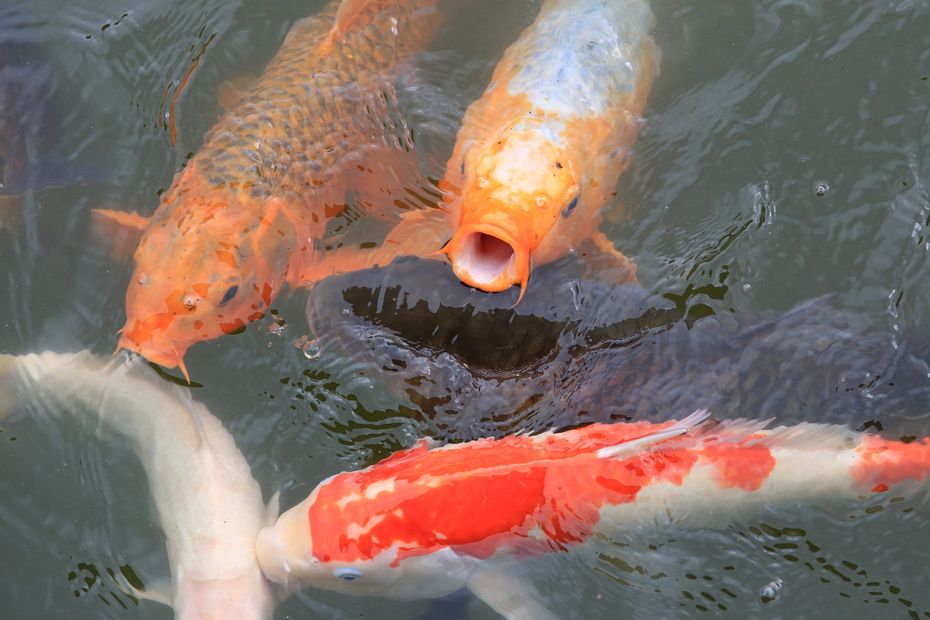
A spell of relentless summer heat turned a quiet ornamental pond in Saintes into a crisis zone. In just a few days, the waterline sank, and hundreds of goldfish were suddenly stranded without adequate refuge. Municipal field teams, more used to pruning hedges than netting carp, mobilized a swift rescue to prevent a slow, avoidable tragedy. What followed was a carefully organized operation that placed animal welfare and local biodiversity at the forefront.
From heatwave to lifeline
As temperatures spiked, dissolved oxygen plummeted and the pond’s margin retreated to a puddle. Technicians waded in with aerators, nets, and transport tubs, moving fish to temporary holding basins under controlled conditions. The city managed to rehome a portion in municipal water features, but space ran out as the final tally reached roughly 800 fish. With options exhausted, officials issued a public call: adopt a few, give them a safe home.
A citywide appeal to adopters
Residents responded with curiosity, concern, and a burst of solidarity. The municipality emphasized that adoptions should be responsible, not impulsive, and that goldfish are long-lived, cold-water vertebrates with real needs. “To ensure animal well-being and protect biodiversity, the goldfish were evacuated,” the city explained, urging households with suitable ponds to come forward. Within days, dozens of families reached out, including nearby towns and even the Coulonge drinking-water facility.
What a suitable home looks like
Authorities set simple but serious criteria: adopters should have an ornamental pond capable of accommodating new fish without crowding. Stable water volume, shade, and room to swim are as important as filtration and oxygenation. A small backyard feature can be perfect if it is deep enough to buffer temperature swings and has plants for cover.
- Provide a sufficiently **large** pond with balanced **stocking** levels.
- Ensure adequate **oxygen** through aeration or gentle **circulation**.
- Offer shade and **plants** for cover and natural **filtration**.
- Acclimate fish **slowly** to prevent temperature and pH **shock**.
- Commit to long-term **care**; goldfish can live up to **30** years.
Meet the new caretakers
One adopter, Bruno, had a nine-cubic-meter pond and experience in aquaristics. “I’ve always loved fishkeeping, and this is an original way to help,” he said, leaving with a dozen new companions for his existing shoal. His enthusiasm captures a broader sentiment: a simple act of adoption can knit together community spirit and ecological care.
Expert voices and practical guidance
Charlotte Toussaint, deputy for livability and ecological transition, stressed that adoptions should match pond capacity. “You need an ornamental pond at home, and it must be able to welcome new fish,” she explained, noting that responsible ownership prevents future overcrowding and water-quality decline. Staff screened requests to ensure fish would not be placed in bowls or undersized tanks.
“It started as an emergency, but it became a lesson in shared responsibility,” a municipal coordinator **remarked**. “Saving these **animals** shows how small actions can safeguard urban biodiversity.”
Why this rescue matters
Goldfish are hardy, but heatwaves can push even resilient species past their limits. Low oxygen, high ammonia, and evaporating water create a cascade of stressors that few fish can endure. By acting quickly, the city averted mass mortality, demonstrating how local services can respond to climate extremes with practical, humane solutions. It was a reminder that urban water features are ecosystems, not mere decorative pools.
Care, commitment, and ethics
Beyond the immediate rescue, the campaign reframed goldfish as long-lived companions, not disposable novelties. Some can reach 50 centimeters and approach three decades, if provided with stable water and consistent care. The message was clear: adopting a fish is a promise, not a passing whim. A network of informed residents can become a buffer against the next heatwave’s impact.
A second chance, together
As requests topped fifty, coordinators matched fish to ponds with the same quiet focus they brought to the rescue itself. Families left with careful acclimation instructions, and the city kept a log to monitor outcomes and share advice. The result is a mosaic of small sanctuaries where the rescued fish can settle, thrive, and remind their caretakers what local stewardship means.
In pictures and on the ground
The city’s social media updates captured the effort, from nets in the shallows to transport crates and smiling adopters. A short video recap documents the operation and the first departures, offering a window into the day the town rallied around a drying pond.
