
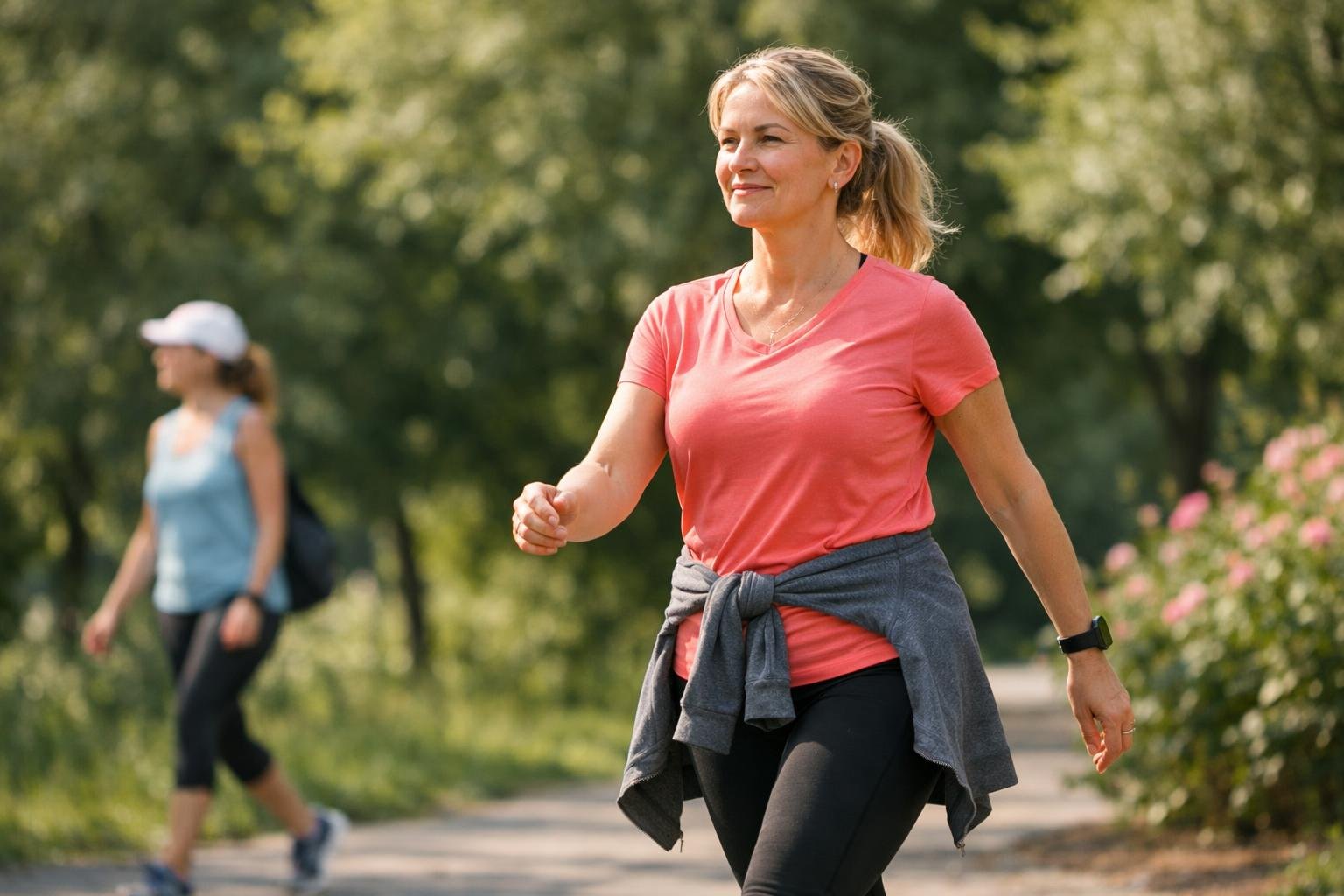
A modest habit can have an outsize impact. Over a dozen years of follow-up, researchers observed that women who logged about 30 minutes of walking per day experienced a striking 28% lower likelihood of developing breast cancer compared with less active peers. The message is refreshingly simple: steady, everyday movement may be one of the most accessible forms of prevention available.
“Small steps, taken daily, can add up to meaningful protection,” the authors note, emphasizing that the association held even after adjusting for key factors like age, weight, and family history. While the study is observational and can’t prove cause, its scale and duration lend weight to the findings—and offer a powerful nudge to lace up and head outside.
What the researchers tracked
Scientists followed a large, diverse cohort of adult women for 12 years, collecting data on physical activity, health screenings, and other lifestyle variables. Women who reported brisk or moderate walking for at least half an hour on most days showed a 28% lower relative risk of breast cancer than those who were largely sedentary. The pattern appeared across age groups, with especially clear benefits for postmenopausal women.
Importantly, the risk reduction reflects a relative difference, not an absolute guarantee. “Activity shifts the odds in your favor,” the paper explains, “but it doesn’t eliminate risk.” That nuance matters—and underscores why screening and clinical care remain essential partners to lifestyle change.
Why walking matters biologically
Regular movement shapes several pathways tied to breast cancer risk. Walking helps regulate insulin, reduce low-grade inflammation, and modulate estrogen and other hormones that influence cell growth. It also supports healthier body composition, which is independently linked to risk in many studies.
Unlike high-intensity workouts, walking is inherently accessible, joint-friendly, and easier to sustain long-term. “The best exercise is the one you can repeat,” as one clinician often tells patients. For many, a half-hour walk fits life’s messy realities better than a rigorous gym routine.
Who seems to benefit most
The protective association extended across different backgrounds, with notable consistency among postmenopausal women, who generally face higher baseline risk. Women with higher BMI also appeared to gain meaningful benefit, likely due to improvements in metabolic and hormonal profiles.
Crucially, benefits showed up even in those without a prior fitness habit—suggesting it’s rarely “too late” to start. People transitioning from mostly sedentary days to regular walking saw measurable gains, underscoring the power of simple, repeatable motion.
How to make 30 minutes happen
The barrier to entry is low: comfortable shoes, a safe route, and a small slice of time. For many, the challenge isn’t intensity—it’s consistency. “Start small, stay steady, and stack from there,” is a mantra worth keeping.
- Break it up: three 10-minute brisk walks; pair walks with calls; anchor a daily route to a fixed cue like lunch or sunset; add mild hills for variety; invite a friend for accountability and a social boost.
A brisk pace is generally one that makes you slightly breathless but still able to talk. If you’re newer to activity or have medical concerns, check in with a healthcare professional before making big changes. Most people can safely build from shorter, gentler strolls toward a sustained tempo.
What this doesn’t mean
The findings don’t replace regular screenings, particularly mammography as recommended by your provider. Genetics, age, reproductive history, and alcohol intake also shape risk, sometimes substantially. Walking is a powerful, low-cost lever, not a standalone shield.
The research also can’t fully rule out confounders. People who walk regularly might eat differently, sleep better, or have other protective habits. Still, the association remained robust after extensive adjustments, and it echoes a broader body of evidence tying movement to lower cancer risk overall.
Turning evidence into a daily ritual
Behavior change thrives on small, repeating wins. Consider setting a visible goal—like 150 minutes of weekly walking—and tracking progress with a simple calendar or phone app. Celebrate streaks, but plan for interruptions: if a day slips, resume the very next one.
If boredom is a barrier, rotate routes, explore green spaces, or add light intervals—two minutes faster, one minute easier—to keep your mind and body engaged. Some find that walking right after meals improves energy and post-meal glucose, turning one habit into a two-for-one benefit.
“Your future self will thank your present self,” says a popular refrain among walking groups. The path forward doesn’t demand perfection—only a bit of time, a comfortable pace, and the willingness to show up again tomorrow.
With evidence pointing toward a meaningful reduction in risk, daily walking stands out as a modest, empowering choice. Step by step—week by week—it’s a way to invest in your long-term health without special gear, complicated plans, or heroic willpower.