
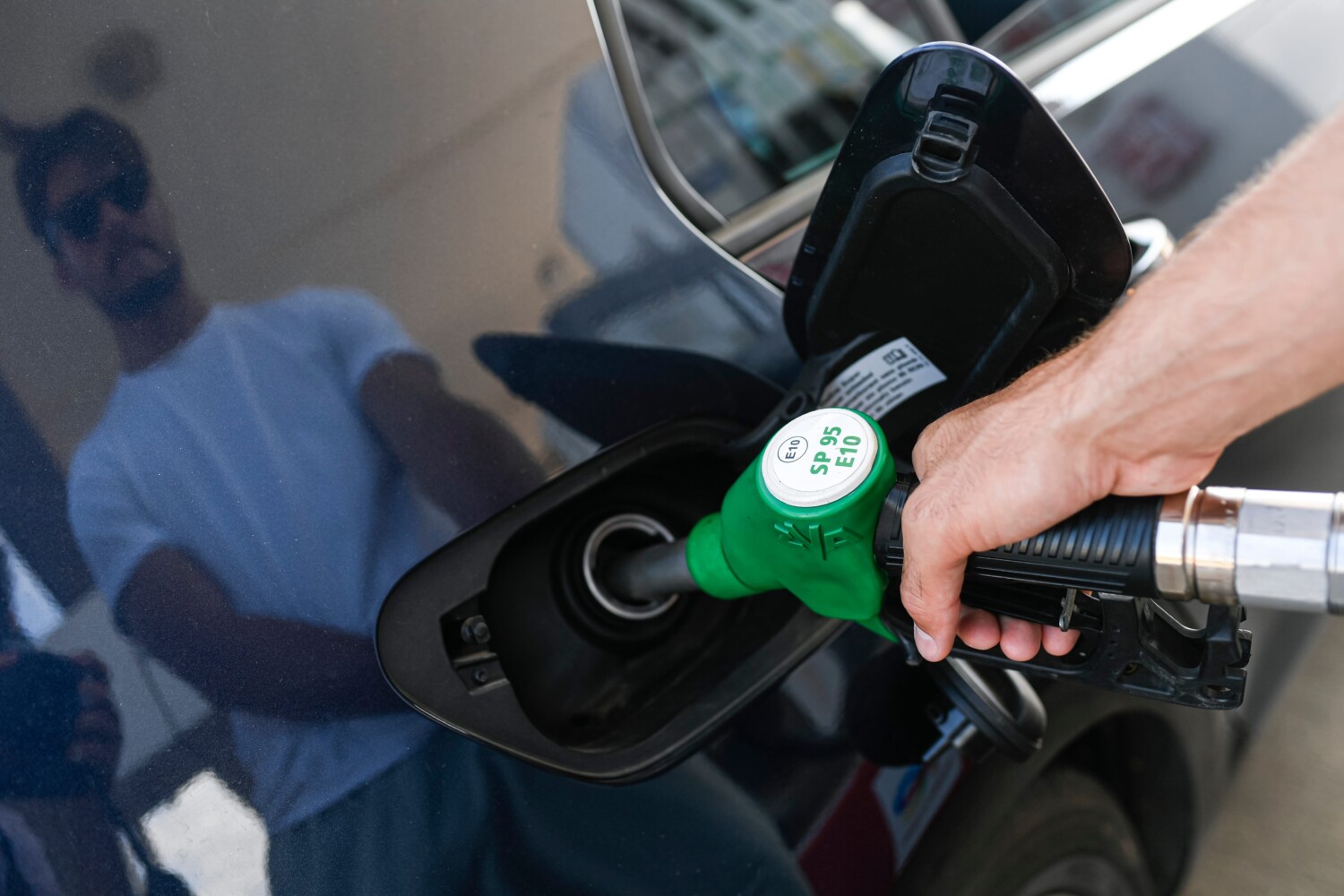
Europe’s climate agenda is tightening the screws on owners of petrol and diesel cars, with policies that will make fossil fuels more expensive and conventional models harder to justify. While no one will be forced to scrap a perfectly functional vehicle, the combination of stricter standards and rising pump prices will steadily shift the economics of everyday driving. For millions of households, that means a mounting financial pressure to change habits, fuels, or vehicles—and soon.
Why the squeeze is tightening
Under the bloc’s Fit for 55 package, regulators are pushing automakers to slash fleet emissions and prepare for the 2035 phase-out of new combustion sales. Carmakers argue that electric models are still far from consistently profitable, and they want more time to adapt. Brussels, for its part, has hinted at limited flexibility, but the strategic direction is clear: fewer fossil emissions, faster. Current drivers can keep their cars, yet the policy trajectory ensures their costs will rise.
ETS II: the new price on road fuels
From 2027, a separate emissions trading system—known as ETS II—will cover fuels for road transport and buildings. Fuel suppliers will need to buy allowances for the CO2 embedded in petrol and diesel, passing costs to consumers. Official projections point to an increase of at least €0.25 per liter by 2030, though market volatility could drive prices higher. The aim is explicit: bake the climate cost into fossil fuels so cleaner options become more attractive. As one policy watcher puts it, “The price at the pump is becoming climate policy by design.”
What it means at the pump
For commuters and rural households, even small price hikes compound quickly across months of driving. Tradespeople and small businesses with vans or light trucks will feel the squeeze, and logistics firms may pass costs down the chain. While member states can deploy targeted relief, the core signal remains: expect petrol and diesel to trend upward. The policy is not a ban, but the pressure is relentless—and many drivers will start recalculating the true cost of mobility.
Automakers in a bind
Manufacturers face tight EU standards and fierce global competition, all while supply chains for batteries, chips, and raw materials remain fragile. CAFE-style targets keep nudging lineups toward more EVs and fewer high-emitting models. Some firms may prioritize premium electric segments to protect margins, leaving budget buyers with fewer combustion choices or steeper prices. Policymakers know the transition is uneven, but they judge that delay risks locking in fossil dependence for another vehicle generation.
The used market and the value of ICE
The used-car market could suffer a gradual re-pricing. As fuel becomes more expensive, the lifetime cost of owning an internal combustion engine rises—especially for thirsty or older vehicles. From 2027, new certifications for fuels will further differentiate products by their carbon intensity, with dirtier blends drawing higher penalties. That dynamic may accelerate depreciation for certain models, while boosting demand for efficient hybrids and smaller, frugal petrol cars in the short term.
Alternatives are forming
Beyond full electrification, some organizations promote interim solutions. Germany’s ADAC, for instance, points to E20, a petrol blend with 20% bioethanol that could cut net emissions and ease the burden under ETS II. In parallel, expanding fast charging, home charging access, and workplace infrastructure can improve the practicality of EVs. Not every driver can switch today, but a broader menu of options reduces the pain of rising fuel costs.
Practical steps drivers can take now:
- Choose more efficient routes and adopt smoother driving to lower consumption.
- Consider certified low-carbon fuels where compatible and available.
- Consolidate trips, carpool, or use public transport whenever feasible.
- Explore plug-in hybrids, efficient petrol models, or used EVs with verified batteries.
- Install home chargers or seek workplace solutions to reduce charging costs.
A political test with economic stakes
For policymakers, the challenge is credibility and social fairness. A Social Climate Fund is meant to cushion vulnerable households, but the rollout must be timely and targeted. National governments will decide how to allocate support, which will shape public acceptance—or backlash. If investments in charging, grids, and clean fuels lag behind, higher pump prices will feel punitive rather than purposeful.
The road to 2027
Between now and 2027, watch for rule finalization, national implementation, and any price caps or market stabilizers to tame volatility. Track how quickly charging networks expand and whether EV sticker prices continue to decline. Follow fuel certifications and the status of lower-carbon blends like E20. Most of all, monitor household budgets: rising pump prices will determine how fast drivers pivot—from petrol and diesel to cleaner, cheaper ways to move.