
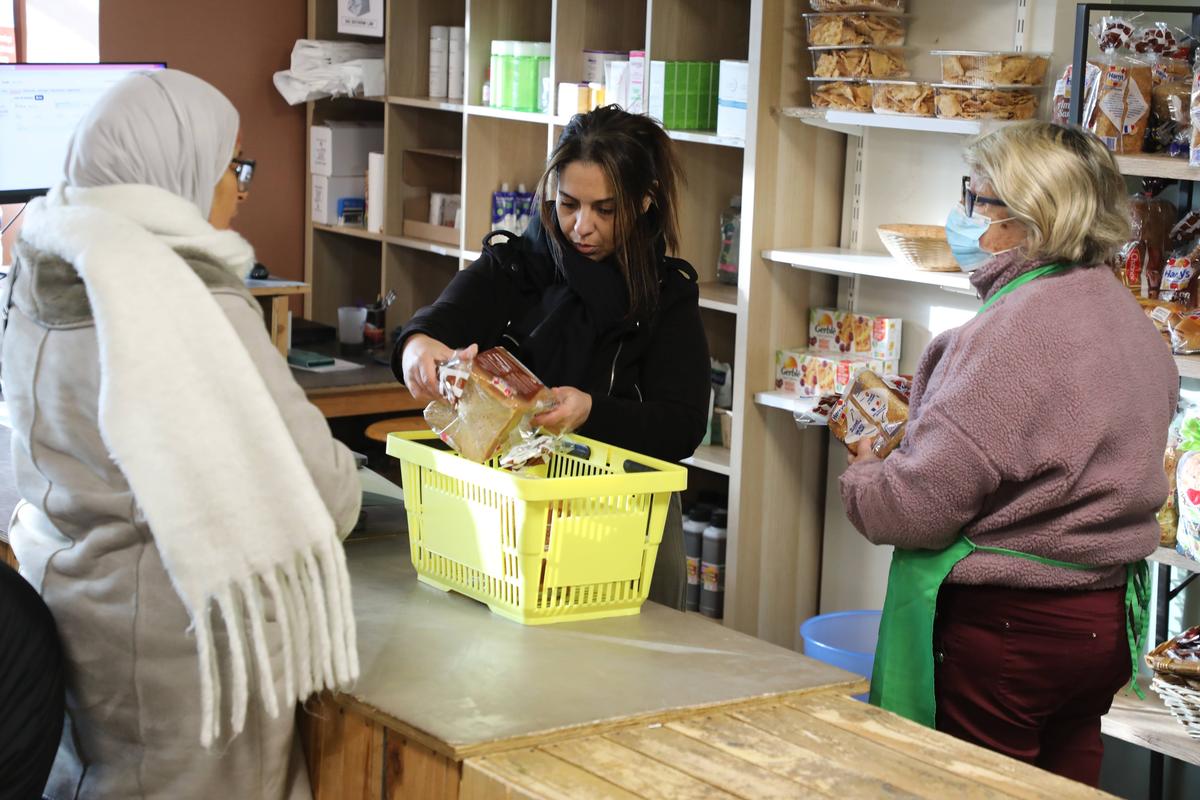
Food aid fills empty fridges, yet it often relies on whatever is left over, not what is most nutritious. In many communities, shelves sway between scarcity and sudden abundance of a single, ultra-processed item. People take what they can, because feeding a family today can eclipse worries about health tomorrow.
At the same time, volunteers and local platforms are trying to shift the balance toward fresher, simpler foods. The question isn’t whether help is needed, but whether the system can deliver calories that protect long-term health.
The nutrition paradox
Food aid frequently meets immediate energy needs while missing essential nutrients. When shipments skew toward shelf-stable, highly processed products, recipients face higher loads of salt, sugar, and saturated fat. That mix can worsen risks of high blood pressure, diabetes, and cardiovascular disease.
The paradox deepens when quality varies week to week, turning kitchen planning into a constant gamble. If vegetables arrive bruised or near their date, they still can become a hearty soup, but the window to use them is painfully short.
When surplus sets the menu
Because the pipeline depends heavily on retail surpluses, aid groups can request volumes but rarely steer exact content. One week brings hearty stews; the next, stacks of cured meats. Fresh dairy, legumes, and nuts—the backbone of balanced eating—are often thin on the ground.
Short-dated deliveries compound the problem. Some foods remain safe past a “best before” date, but strict rules around “use by” labels push perfectly edible items into the bin. That churn wastes scarce effort and undermines confidence in what ends up at home.
“We can cover today’s calories, but we must also protect tomorrow’s health.”
Why processed doesn’t have to dominate
Not all packaged foods are equal. Simple canned beans, fish, tomatoes, and frozen vegetables can be highly nutritious, inexpensive, and easy to store. The trouble starts when the box lists many additives, refined starches, and added sugars—hallmarks of ultra-processed foods. Overreliance on those products can displace fiber, protein, and micronutrients.
A healthier aid mix favors minimally processed staples and modest amounts of quality fats and proteins. When paired with practical cooking support, that mix turns limited kitchens into resourceful workshops, not just emergency depots.
- Choose core staples with strong nutrient density: canned legumes, whole grains, canned fish, tomatoes, and frozen vegetables.
- Add affordable healthy fats: rapeseed or olive oil, unsweetened nut butters.
- Rotate long-life dairy or alternatives: UHT milk, plain yogurt, calcium-fortified drinks.
- Include flavor builders with low sodium: herbs, spices, garlic, and vinegar for quick wins.
- Prefer shorter ingredient lists and higher fiber-to-sugar ratios.
Practical fixes across the chain
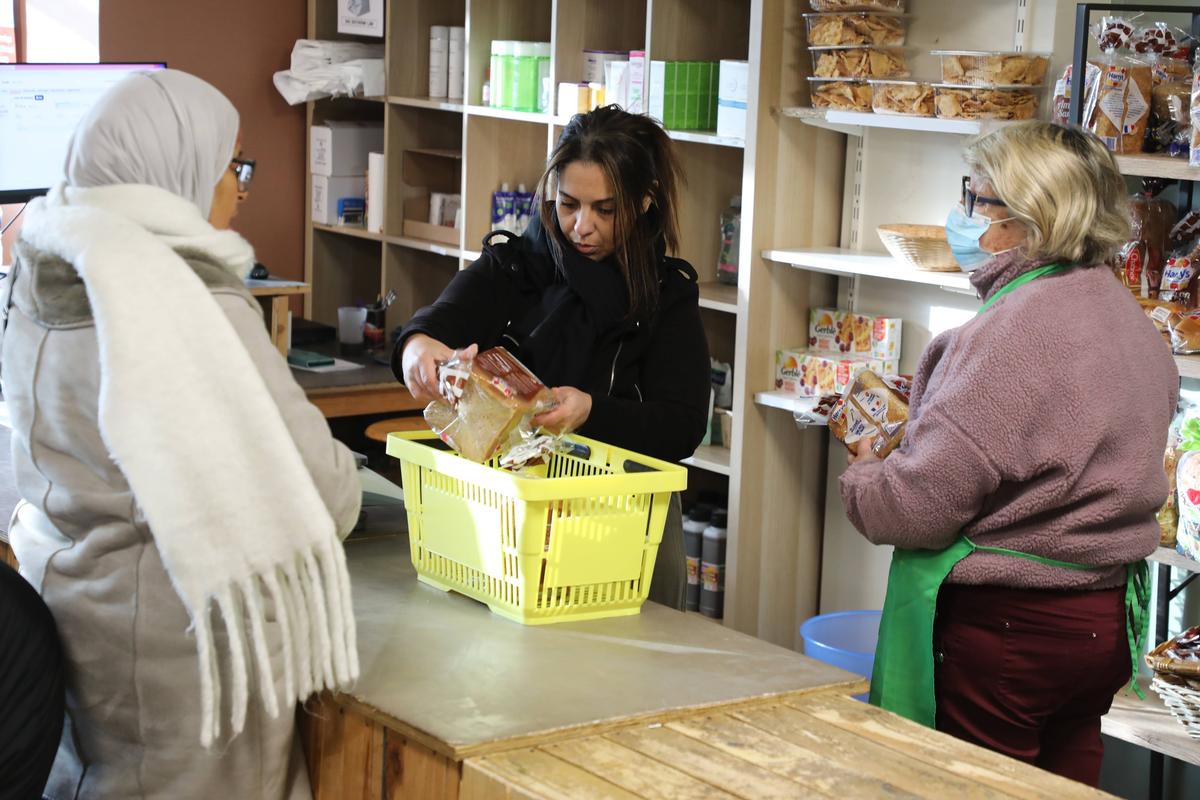
Small policy and procurement tweaks can deliver big gains. Setting minimum “date buffers” on donations would reduce last-minute scrambling. Modest funding for high-impact staples—dried legumes, oats, canned fish—could anchor healthier parcels. Clearer guidance for retailers on prioritizing balanced donations would help align supply with public-health goals.
Local networks can multiply the impact. Partnerships with producers for seconds-grade fruit and veg, gleaning initiatives, and shared cold storage extend the life of perishable goods. Digital platforms can coordinate what’s available, where, and when—so pallets of one product don’t pile up while basics run dry.
Empowering recipients, respectfully
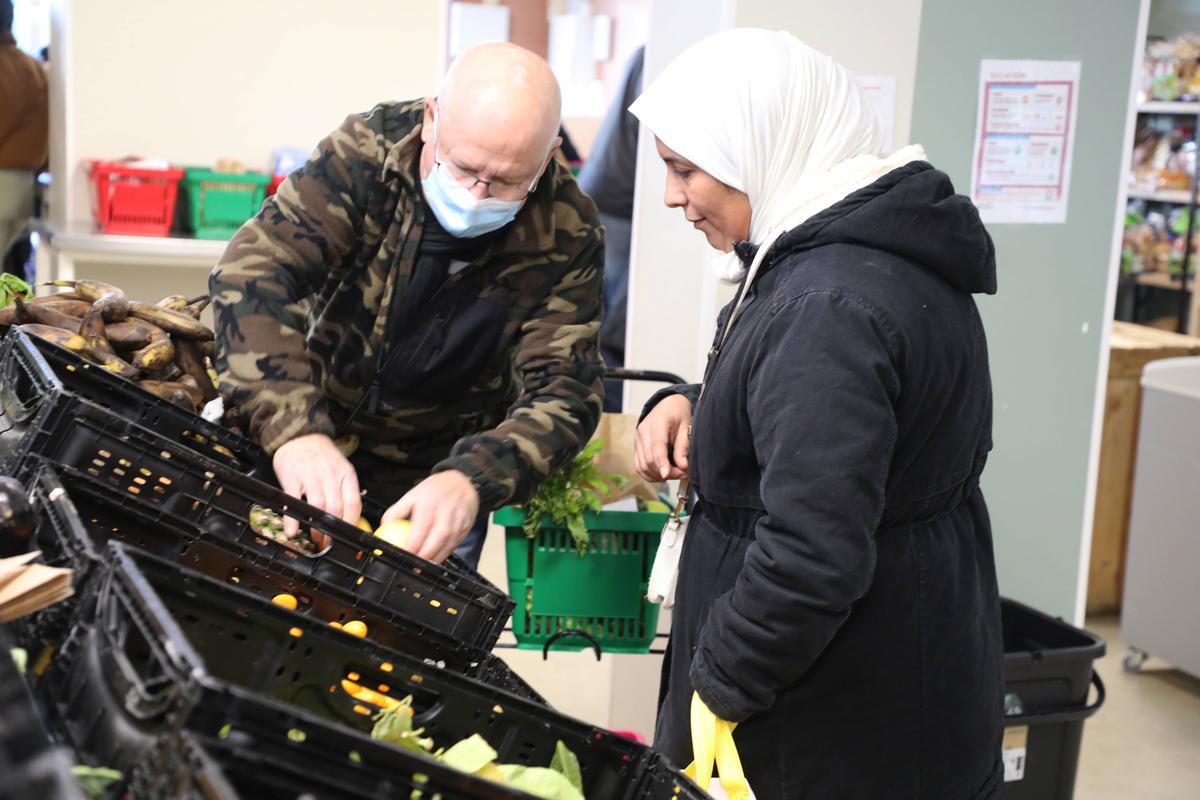
Nutrition advice must fit real lives. Many households juggle limited time, equipment, and energy. Short, low-cost recipes—lentil soups, chickpea curries, tuna-tomato pasta—convert pantry staples into fast, comforting meals. Batch cooking, freezing, and “cook once, eat twice” planning stretch both budgets and stamina.
Two label checks go a long way. First, scan ingredient length—shorter usually means less processing. Second, compare per-100g sodium and sugars; picking the lower option nudges each meal in a healthier direction. Even within constraints, small swaps compound into meaningful change.
Food aid is not inherently bad for health. It becomes risky when surplus dictates the menu and ultra-processed defaults crowd out basics. With smarter procurement, steadier staples, and respectful support for everyday cooking, the same networks that fight hunger can also build long-term health. The goal is simple: dignity on the plate, today and for the years to come.
