

The city-car segment is about to get a shock, as Volkswagen readies a petite EV with an estimated 400 hp punch. The project centers on the compact ID.2, a model that will carry the storied GTI badge into the electric era and pave the way for a hotter R derivative. The brand’s performance roadmap signals a decisive move beyond the short-lived GTX label toward an electric lineup that feels both familiar and boldly new.
GTI goes electric, R follows fast
Volkswagen’s plan is clear: launch the ID.2 as an electric GTI from 2026, then quickly extend the formula to a harder-edged R. The marque won’t wait for a next-generation Golf to electrify its top performance tier, showing unusual urgency for a legacy brand. That sequencing aims to keep enthusiasts engaged while strengthening the company’s EV performance credibility.
According to reporting from Autocar, the ID.2 R will not be a mere trim exercise. Instead, it is expected to adopt a genuinely ambitious powertrain, one calibrated to outgun larger, heavier siblings. By leaning into small-car agility, Volkswagen appears set on proving that compact electric muscle can be thrilling and practical.
A tri-motor blueprint for tiny traction
At the heart of the package is a three-motor layout: the familiar front-mounted unit from the ID.2 GTI (tipped at around 286 hp) plus two compact motors at the rear. Those rear units are integrated near the wheels for razor-sharp control, enabling fine-grained torque delivery where it matters most: at the road contact patch. The result promises granular, software-led torque vectoring far beyond a single-motor rear-drive setup.
This arrangement carries platform-friendly benefits. Minimal changes to the MEB A0 architecture should keep costs contained while preserving trunk volume and cabin space. The primary development hurdle, as hinted, is overall weight management, which will be critical to ride quality, braking poise, and efficiency under spirited driving.
Performance that outshines larger siblings
With roughly 400 metric horsepower, the ID.2 R would vault past the current ID.3 GTX on raw output. All-wheel-drive traction plus instant torque should deliver a 0–100 km/h time under five seconds, a figure once unthinkable for a mainstream city hatch. Real-world performance will likely hinge on battery conditioning and thermal control during repeated hard runs.
Still, the broader story is about balance and repeatability, not only headline numbers. A light, short-wheelbase EV with tri-motor brains could dance through urban traffic while still tackling a back road with startling precision. If Volkswagen nails calibration, the car could feel both playful and planted.
Beyond hot hatches: a scalable strategy
The hardware won’t be reserved solely for go-fast variants. Volkswagen is reportedly exploring all-wheel-drive derivatives for small crossovers across its own and Skoda’s lineups. By reusing motors and control software, the group can spread costs while serving different missions—from snow-ready family transport to spirited weekend toys.
Such flexibility addresses growing competition from Renault and Fiat, whose compact EVs are sharpening their value propositions. In this space, traction, packaging, and software sophistication are powerful differentiators. A modular tri-motor toolkit could become Volkswagen’s signature edge.
Design, range, and the daily brief
Expect assertive yet compact styling, with R-specific cues that telegraph purpose without sacrificing city manners. Engineers will need to protect usable range against the lure of oversized wheels and aggressive aero add-ons. Smart gearing, lean rolling resistance, and meticulous brake recovery will be essential to keep consumption in check.
Inside, the formula should blend tactile quality with crisp, fast infotainment and true “one-pedal” polish. In a car this small, visibility, storage, and seat ergonomics matter as much as peak power. The ID.2 R will live or die by everyday friendliness, not just track-day bragging rights.
What to watch next
- Powertrain validation of the three-motor control logic and thermal robustness
- Weight, tire, and brake choices balancing grip, comfort, and efficiency
- Final 0–100 km/h target and repeatability under hot-lap conditions
- AWD applications to small crossover spinoffs within the VW Group portfolio
- Pricing strategy versus hot EV rivals from France and Italy
“Small doesn’t have to mean slow—the right software and smart packaging can make a compact EV feel truly heroic.”
Positioning and rivals
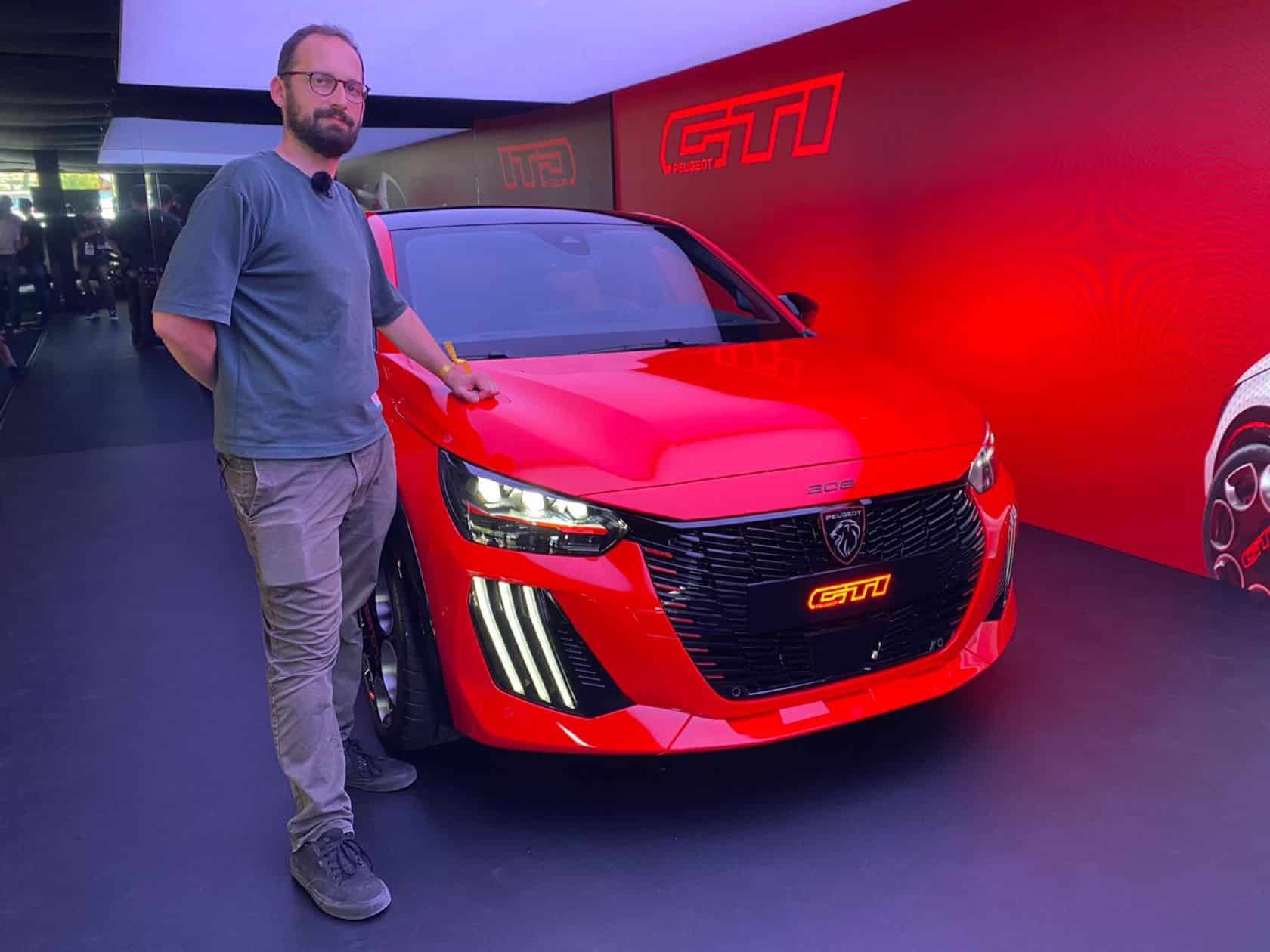
The ID.2 R will enter a revived pocket-rocket arena, where electric torque and compact footprints make for irresistible urban thrills. With Peugeot sharpening the e-208’s sporting ambitions, and others circling the same sweet spot, differentiation will hinge on chassis finesse, charging speed, and playful, confidence-inspiring tuning.
If Volkswagen delivers the promised tri-motor symphony, it could reset expectations for small EV excitement. Crucially, it must also land a charging and pricing package that welcomes newcomers while satisfying long-time R and GTI faithful. Done right, this little bruiser could make every short trip feel like an occasion—and remind the market that compact cars can still pack a massive punch.
