
By Levi Ruiz Ortiz / Analyst
The fragile truce between Washington and Tehran brokered on June 15, 2026 was definitively broken between Friday night, July 10 and Saturday, July 11, raising tensions in the Strait of Hormuz to historic levels and generating immediate concern about fuel prices in the United States, with a potentially severe impact on the state of Texas.
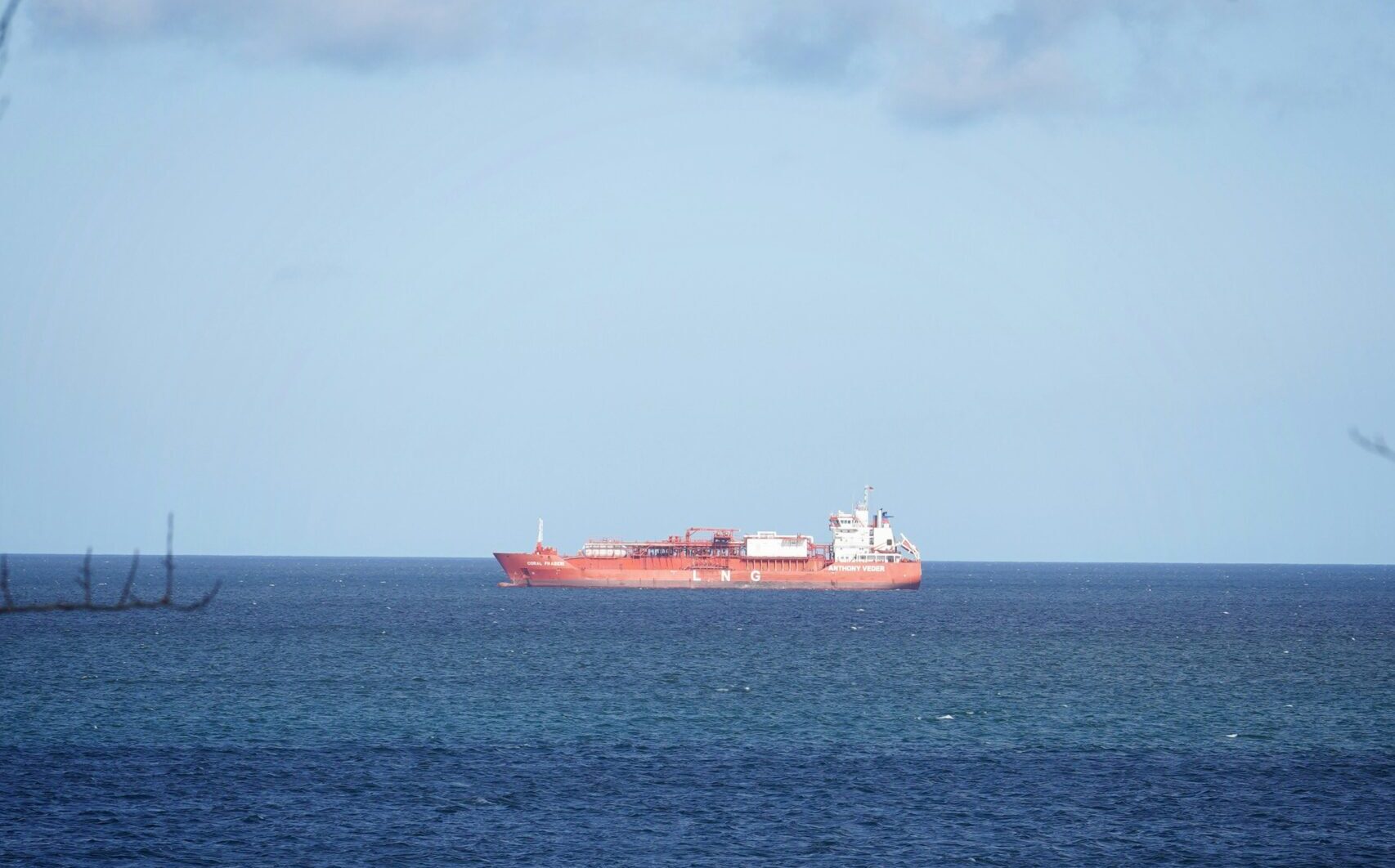
Following repeated armed incidents against merchant ships and international freighters in the waters of the Persian Gulf recorded over the subsequent week, the Iranian government announced the formal blockade of the strait to commercial traffic, a drastic measure that set alarms ringing in global markets.
The United States responded immediately in the early hours of July 12 with precision airstrikes against strategic facilities of the Islamic Revolutionary Guard Corps, according to reports issued by the U.S. Central Command (CENTCOM).
While the Iranian Foreign Ministry condemned the American actions in the early hours of July 13 as an “open violation of international law” and justified its measure as a legitimate defense of its sovereignty, Pentagon officials in Washington have insisted that the strait remains open to traffic through alternative maritime routes and with military escorts, according to information provided by the British broadcaster BBC.
As explained by international agencies such as Reuters and The Guardian, the Strait of Hormuz is the world’s main energy artery: through this narrow sea lane nearly 20% of the petróleo and liquefied natural gas traded globally pass daily. A blockade or prolonged disruption at this geographic point forces large tankers to reroute thousands of nautical miles around Africa, significantly increasing transport costs, triggering higher marine insurance premiums, and pushing up Brent crude prices and, directly, gasoline prices at local service stations.
In Texas, where the energy industry acts as the principal economic engine, any rise in the price per barrel is felt at the Gulf Coast refineries with extreme speed and is promptly reflected in the wallets of working families. A detailed financial analysis by The Wall Street Journal published in its July 13 edition cautions that global markets are already operating with unusual volatility and that the ultimate impact on consumer prices will depend strictly on the duration of the disruption to normal shipping flows.
On July 13, the Organization of the Petroleum Exporting Countries (OPEC) published its long-awaited monthly market report (MOMR). In the document, the organization trimmed its projections for global crude demand growth for the remainder of 2026, placing it at around 800,000 barrels per day in additional demand, a clear reflection of the global economic slowdown.
Impact on the Hispanic Community and Perspectives
For families in Houston and South Texas, this international crisis arrives at a moment of high economic sensitivity due to accumulated inflation. The rising cost of gasoline and diesel is not just a number in the news; it directly affects household budgets, daily commuting to work, and dramatically increases the operating costs of small businesses.
In addition to economic pressure, there is an undeniable human factor linking this tense scenario to our community: Latinos represent about 18% of active-duty personnel in the United States Armed Forces and are the fastest-growing demographic in the ranks. In fact, Defense Department demographics reveal their presence is even deeper among the youngest: among military personnel under 20 years old, Latino youths account for about 29.5% of the men and 35.4% of the women.
With more than 50,000 U.S. troops deployed in the Middle East, thousands of Hispanic families in Texas continue to watch the developments with special attention given the risk of an escalation. It is advised to carefully plan transportation expenses over the coming weeks while awaiting the decisions to be made in the White House.
