
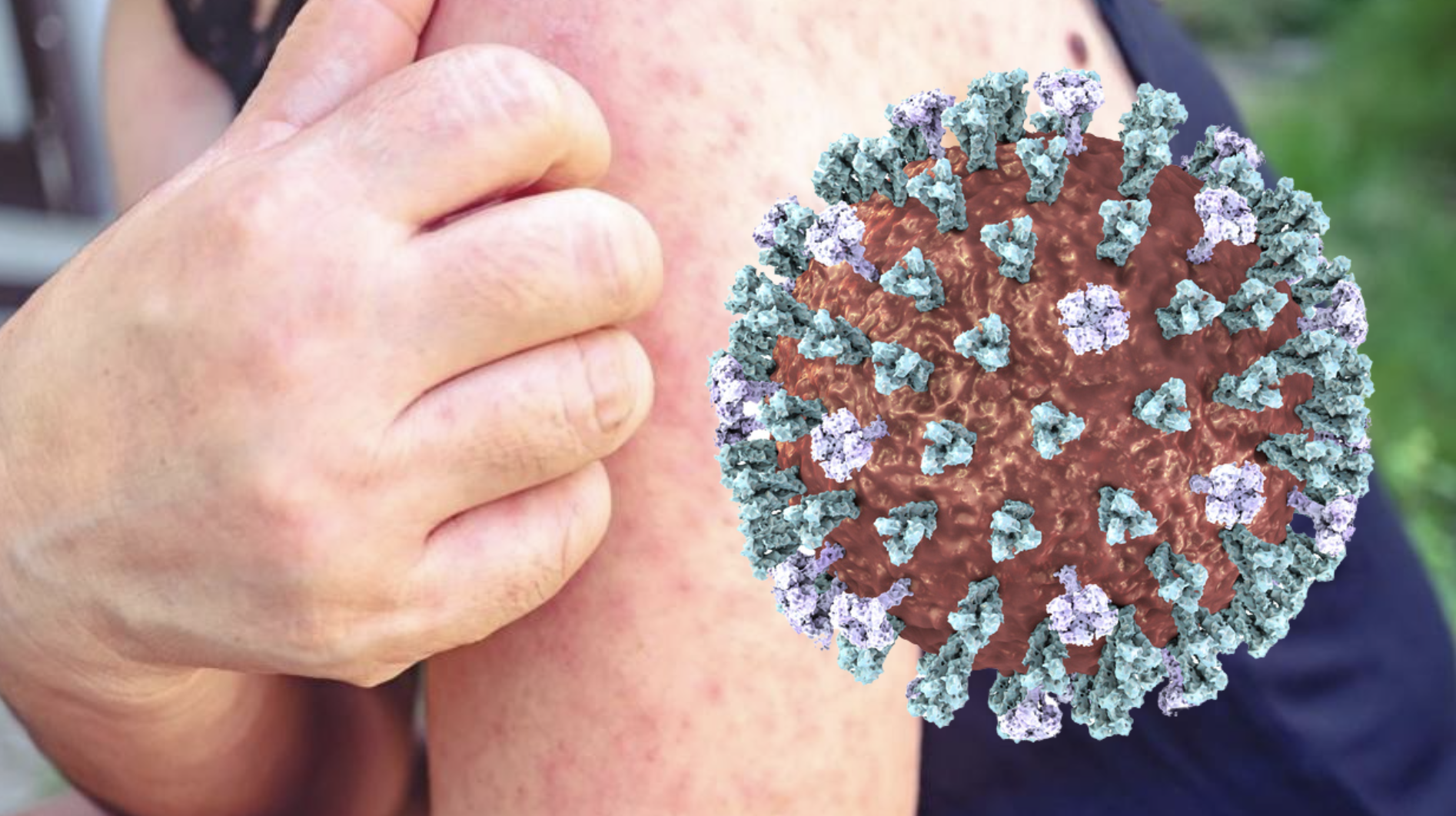
The four cases involve members of the same unvaccinated family. One woman remains hospitalized.
Montgomery County reports four measles cases among members of the same family, including three patients who were unvaccinated and a woman who was hospitalized.
The family was exposed to an infected person who had traveled from another state. The cases represent the first measles infections identified this year in the Houston area.
So far, the infections remain concentrated within that family. No widespread transmission of the virus has been identified in Montgomery County or in the Houston metropolitan area.
Measles is a highly contagious viral disease that is transmitted through the air when an infected person coughs, sneezes, or breathes.
The virus can remain suspended in a room for up to two hours after the infected person has left the area.
Related: Cyclospora infections are increasing in Houston: these symptoms can last weeks
The symptoms can begin up to two weeks after exposure
Measles symptoms typically appear seven to 14 days after exposure to the virus.
Initial signs include high fever, cough, runny nose, and red or watery eyes. A rash may then develop, usually starting on the face and spreading to the neck, trunk, arms, and legs.
Some people also have small white spots inside the mouth before the rash appears.
A person can transmit the virus from four days before to four days after the skin lesions appear.
The contagious period allows measles to spread before the person knows they are sick, especially in homes, schools, waiting rooms, and other enclosed spaces.
A prior call reduces exposure in clinics
People with compatible symptoms or possible exposure can contact their health care provider before going to an office, clinic, or emergency department.
Advance notice allows medical staff to prepare a separate area and limit exposure of other patients to the virus.
While receiving medical guidance, people with symptoms can stay separated from babies, pregnant women, older adults, and people with weakened immune systems.
Suspected cases may require laboratory testing to confirm the infection.
Measles can cause serious complications
Most people recover, but measles can cause ear infections, diarrhea, dehydration and pneumonia.
Children under 5 years, adults over 20, pregnant women, and people with weakened immune systems are at higher risk of severe illness.
In less common cases, the virus can cause brain inflammation, known as encephalitis. Some people require hospitalization due to breathing difficulties, dehydration, or other complications.
There is no specific antiviral medication that eliminates measles. Medical care focuses on controlling symptoms and treating complications.
Two doses of the MMR vaccine offer about 97% protection
The measles, mumps, and rubella vaccine, known as the MMR vaccine, is the primary protection against the disease.
Two doses have an approximate efficacy of 97% in preventing measles. A single dose provides about 93% protection.
The regular childhood vaccination schedule includes a first dose between 12 and 15 months of age and a second dose between 4 and 6 years of age.
Adults without clear vaccination records or evidence of immunity can check their history with a health care provider.
Guidelines may vary for babies under 12 months, pregnant people, immunocompromised patients, and international travelers.
The cases are concentrated in a single family
The four Montgomery County cases are linked to one another and do not represent, at this time, an extended outbreak in Houston.
The appearance of new infections will depend on whether other people were in contact with the patients during the contagious period.
Information about measles symptoms, vaccination and exposure is available on the Centers for Disease Control and Prevention’s website.