
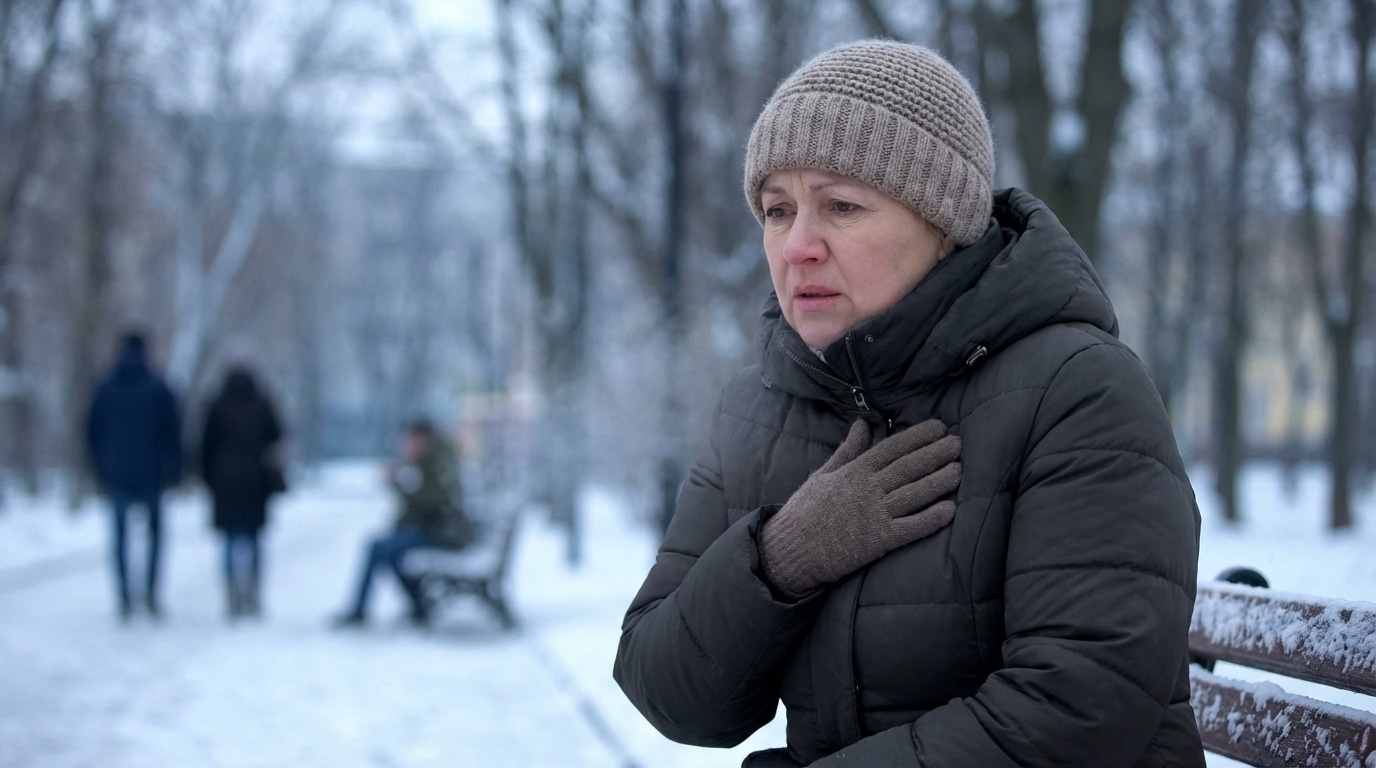
As winter settles in and the cold presses on our bodies, a quieter, more insidious threat can begin to steal your breath. If you feel winded after two flights of stairs or carry a “small smoker’s cough,” don’t rush to blame age, inactivity, or stress. Your lungs may be sending a warning, and the condition behind it is far more than a seasonal nuisance.
More Than Breathlessness: When Bronchi Become a Trap
The disease in question is Chronic Obstructive Pulmonary Disease (COPD), a long-term respiratory disorder that narrows your airways over time. Instead of a temporary irritation, COPD creates a slow, progressive, and largely irreversible obstruction that makes air flow like water through a clogged pipe. In COPD, the bronchi tighten, mucus builds up, and the lungs lose vital elasticity.
Unlike asthma, which often has reversible attacks, COPD installs a more permanent block. Many people mistake this for simple deconditioning, but the real issue is a shrinking capacity to deliver oxygen where your body needs it most.
Tobacco on Trial—But Not Alone
Cigarettes are the number-one culprit, with active and passive smoking causing chronic airway inflammation and the destruction of delicate alveoli. That steady assault turns flexible lung tissue into a less efficient sponge for gas exchange.
Yet smokers are not the only ones at risk. Outdoor pollution, workplace exposures (like wood dust, silica, or agricultural chemicals), and indoor air quality all play meaningful roles. Your daily environment can quietly undermine your breathing, even if you never picked up a cigarette.
Morning Cough and Fatigue: Signals You Shouldn’t Dismiss
The most underrated red flag is the chronic cough, often excused as a “bronchial clean-up,” particularly in the morning. A cough with phlegm for at least three months a year is not normal; it’s the sign of persistent inflammation that shouldn’t be brushed aside.
Another hallmark is dyspnea—breathlessness—first during intense activity, then during everyday tasks. When carrying groceries, cleaning the house, or walking on level ground feels like a marathon, your lungs are asking for attention.
The Invisible Epidemic: Why You Might Be Among the Undiagnosed
COPD affects roughly 10% of the adult population, a staggering and often hidden burden. Many people remain undiagnosed, or receive confirmation only when the damage is already significant.
Part of the problem is our body’s sneaky adaptation: to avoid gasping, you unconsciously slow down, take the elevator, and skip activities. This reduced movement hides symptoms while worsening overall fitness, creating a vicious cycle that must be broken.
Blow to Know: Screening Is Simpler Than You Think
The gold-standard test is spirometry, a quick, painless breathing test that measures airflow and capacity. You simply blow as hard and as long as possible into a device that translates effort into clear numbers.
If you’re over 40, have a history of smoking or occupational exposure, and notice cough or breathlessness, talk to your doctor. Don’t wait until breathing is hard at rest; earlier is almost always better.
Diagnosis Is Not Destiny: Move So You Don’t Lose
Receiving a COPD diagnosis can feel daunting, but it’s also the start of regaining control. The single most powerful step is complete smoking cessation, which slows functional decline better than any other measure. January resolutions—or any month—are a perfect moment to seek real support.
Paradoxically, the answer is also to move. Tailored activity like walking, cycling, or gentle gymnastics retrains muscles to use less oxygen, easing daily effort. Inhaled bronchodilators help open airways, while vaccines and prompt care for winter infections protect fragile lungs.
“As one respiratory specialist reminds patients: ‘The earlier you test, the more breath you keep.’” That simple sentence captures the urgency—and the hope—of acting now.
A Quick Personal Checklist
- Do you have a daily cough with phlegm for months of the year?
- Do everyday tasks leave you unusually breathless?
- Are you over 40 with current or past smoking?
- Have you had long-term exposure to dusts, fumes, or chemicals?
- Have you quietly reduced activity to avoid getting out of breath?
If you nodded to several points, consider spirometry and a conversation with your clinician. A clear diagnosis unlocks tailored care.
Protect Your Breath, Protect Your Life
Early, targeted management can transform your trajectory, preserving the lung function you still have. You may not recover what’s lost, but you can fiercely protect what remains—often enough to maintain an active, fulfilling life. If you see yourself—or someone you love—in these signs, take a small but decisive step today. Your future self might thank you with every easy, effortless breath.
