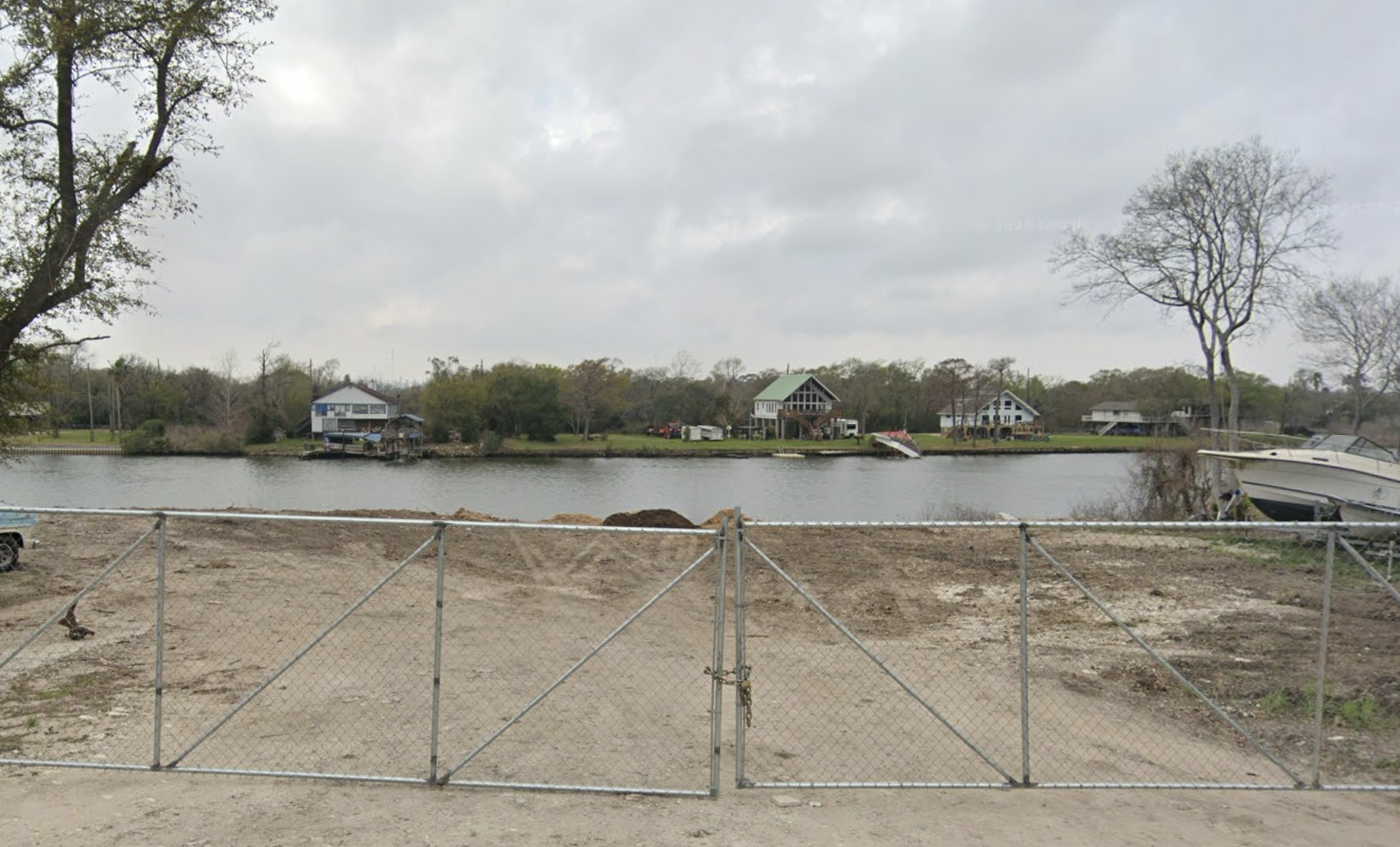
The federal order requires Waste Management and International Paper to advance with the removal of dioxin-contaminated sludge near the I-10 bridge.
The United States Environmental Protection Agency ordered Waste Management and International Paper Co. to begin the process to remove toxic wastes from the Superfund site known as the San Jacinto River Waste Pits, located near the Interstate 10 bridge.
The cleanup of the San Jacinto River focuses on a dioxin-contaminated sludge deposit that has remained in the river’s flow for decades.
The order targets the northern contaminated deposit north of I-10
The EPA administrative order focuses on the northern deposit of the San Jacinto River Waste Pits, an area where the wastes remained largely underwater after the river covered the area over the years.
The site is linked to residues from a 1960s pulp and paper operation. The materials were buried and abandoned in an area that eventually became exposed to floods, erosion and changes in the river’s course.
The planned cleanup aims to remove dioxin-contaminated sludge, a family of toxic compounds that has kept the site under federal oversight for years.
The estimated cost of cleaning the underwater deposit has risen to about $250 million, according to available information.
Companies must respond to the EPA after the federal order
Waste Management, through its subsidiary McGinnes Industrial Maintenance Corporation, and International Paper Co. were named as responsible parties for the cleanup work.
The order does not yet specify an exact start date for the excavation, but the companies must respond to the federal government within 10 days after the order issued on April 28.
Under the federal Superfund law, if the EPA has to take over the work, the responsible parties could be liable for up to three times the total cleanup cost.
The companies are reviewing the federal document, which contains hundreds of pages of technical and administrative requirements to move forward with the process.
The EPA maintains the requirement of total removal and testing during the process
The order comes after disagreements between the companies and the EPA over sampling requirements during the removal of the contaminated material.
The companies had proposed alternatives for handling and analyzing the material during excavation. The EPA maintained its requirements for the final cleanup plan, including full removal of the contaminated deposit and analysis of the excavated material during the process.
The site has been under federal attention for years. In 2018, the responsible parties pledged to excavate entirely the toxic waste stored underwater and conduct contamination testing as removal progressed.
Residents in the San Jacinto River area have pressed for cleanup for years
Communities near the San Jacinto River have followed the case for decades. Residents in the Channelview area and environmental organizations have expressed concern about chronic illnesses, cancer cases, and prolonged exposure to contaminants.
The contamination has also affected activities related to the river. In previous years, health authorities had warned about elevated dioxin levels in the water and issued recommendations related to fishing in the area.
The northern deposit remained unmoved while work was completed in another deposit south of the I-10 bridge. Excavation of that southern area ended in November 2023, according to available information.
The northern section presents greater technical challenges because much of the material is underwater. Contractors will have to remove the waste without allowing further contamination to flow into the river.
The Superfund site has faced floods and deterioration
The San Jacinto River Waste Pits area has been exposed to severe weather events, including flooding in the Houston region.
During heavy storms, the site has been submerged, increasing concern about the deterioration of the area and the possibility that contaminants could move to other parts of the river.
The deposit has been covered by a temporary cap while negotiations and removal plans progress. Residents and environmental advocates have argued that this measure does not replace the complete excavation of the contaminated material.
The new EPA order seeks to move the process toward the definitive cleanup of the northern deposit, although the physical start of the excavation will depend on upcoming administrative, technical, and compliance steps by the responsible companies.
The removal must prevent the San Jacinto River contamination from spreading
The cleanup of the northern deposit will require engineering controls to work within the river and manage contaminated material without releasing it into the water.
The process includes removing toxic sludge, analyzing contamination levels during excavation, and transporting the material in accordance with applicable federal requirements.
The EPA had already approved a cleanup plan for the site. The new order increases pressure on the responsible companies to move forward with the execution of the work.
Communities near the river will remain at risk while the contaminated material remains on site. The federal order maintains the goal of complete removal of the waste from the northern San Jacinto River Waste Pits deposit.