
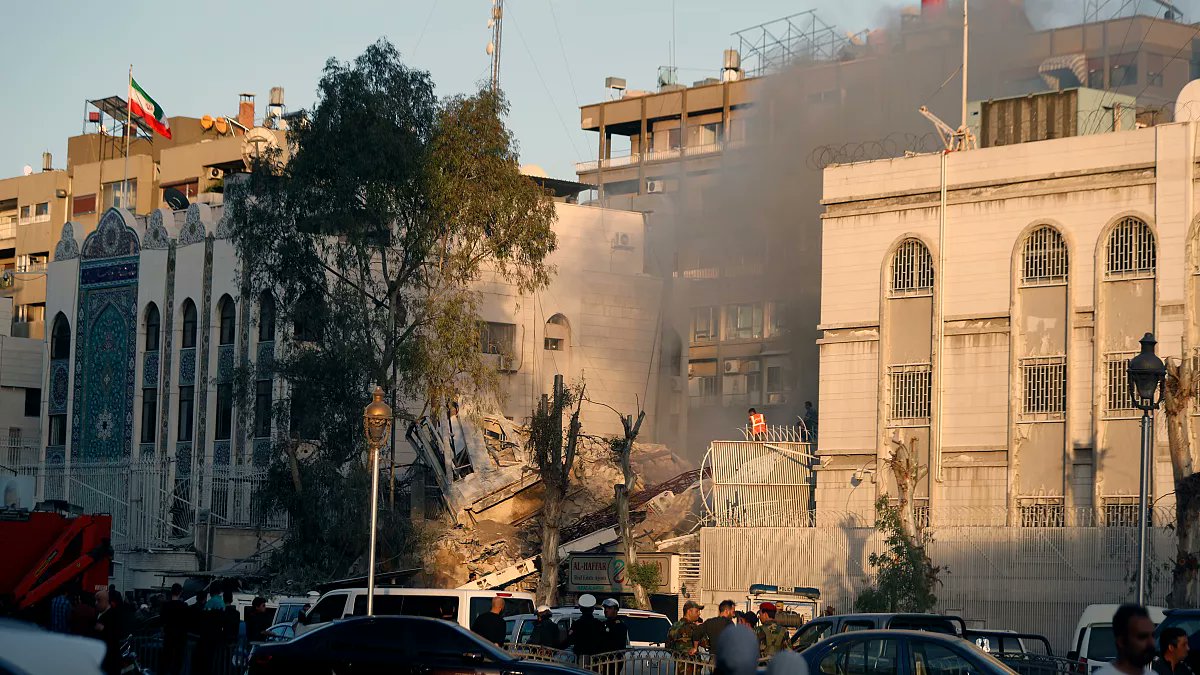
On July 28, six months had passed since the United States’ war against Iran began. What Donald Trump originally said would last two weeks and that it had been won from day one has now caused havoc worldwide, especially in the economy, which has become destabilized, particularly within this country. The impact has been felt most in the main component affected by this conflict, oil.
Since the outset of this war, the volatility of fuel prices has been notable, and many cannot see a way out with costs so high. If fuel remains high, prices of everything will rise, and this is what has been seen and felt in people’s pockets day by day.
According to outlets such as the ABC network, inflation this year has risen to as much as 3.5%, surpassing the Federal Reserve’s forecast of 2%. With this, the economy has slowed and, if the conflict continues, we could see more damage.
Meanwhile, people are seeking alternatives to cope with inflation and to maintain the spending they had before the war began.
We cannot fail to speak of the human losses, starting with members of the armed forces who have died since February, when the confrontation began; media report that between 18 and 20 Americans have died in combat.
However, the casualty-counting system has been the subject of intense public scrutiny due to recent administrative changes at the Pentagon. By the end of July 2026, the Department of Defense updated the Defense Casualty Analysis System (DCAS) to record 18 military deaths and 624 wounded. On the other hand, various independent tracking platforms, such as the Iran War casualties registry on Wikipedia, place the total number of American military fatalities at a slightly higher figure: 20.
This is definitely a war that should not have started in that way, and in the end, the effects are being felt by those who never imagined they would be affected.
Although the reasons given for why this war began, such as nuclear weapons and the aim to overthrow the regime that has seized power in Iran, are valid, to start a conflict of this magnitude there are protocols. These were not followed, and now the consequences are being paid dearly; the worst part is that innocent people in the end are the most affected, just as we see daily in the news.
Hunger, death and displacement become the protagonists of this conflict on Iranian soil; that is the sad part we don’t like to see and which makes us wonder if it was really worth starting it.
For now, there is nothing left but to hope that, for the good of all of us and of the world, this war ends with a good peace agreement that benefits the affected peoples and that a healthy economy is restored and, of course, that when we reach the gas station we see better prices to fill the tank of our vehicles.
What do you think?
