
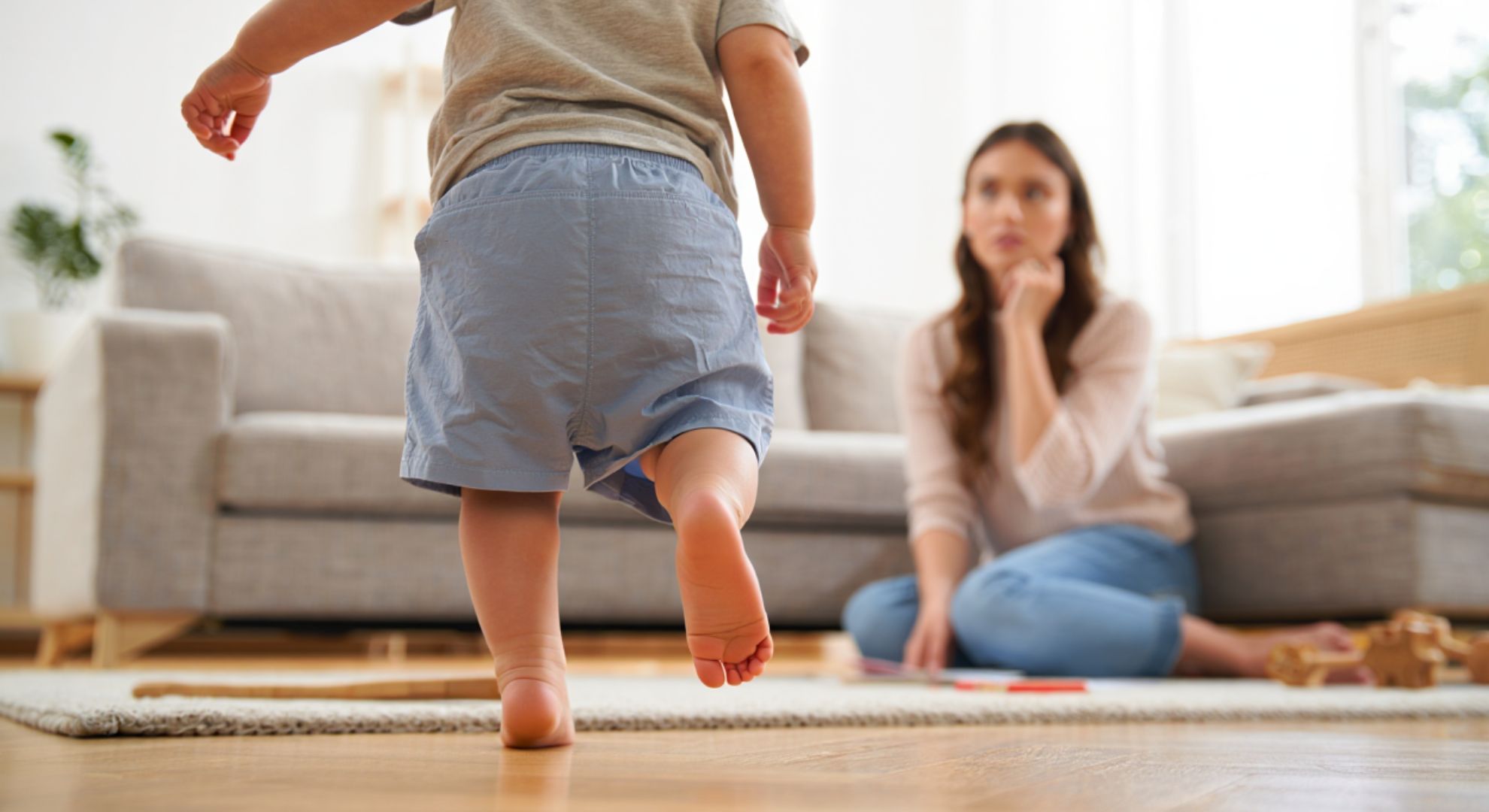
Some toddlers seem to float, not walk—tiny heels lifted, steps light, and parents quietly worried. In pediatric neurology, toe-walking is often a phase, but sometimes it’s a sign worth unpacking. As one specialist likes to say, “Persistent toe walking is a symptom, not a diagnosis.” The art is knowing when to watch, when to stretch, and when to look deeper.
Why little feet choose the toes
In early walkers, balance is still developing, and going up on the toes can feel surprisingly steady. Many kids toe-walk when they’re excited or barefoot, then settle into a heel-to-toe pattern over time. Pediatric neurologists note that “most toddlers experiment with their gait as they grow,” and many outgrow toe-walking by ages 3 to 5.
When it’s more than a habit
The timeline and the pattern matter more than any single step. Persistent toe-walking that’s constant, asymmetric, or linked to other concerns is a different story. Specialists watch for clear “red flags” that shift the conversation from reassurance to evaluation:
- Toe-walking after age 2–3 without periods of normal heel strike, especially if constant or worsening
- Clear asymmetry (one side more affected), notable stiffness, or visible calf tightness
- Frequent falls, delayed motor milestones, or new regression
- Complaints of pain, fatigue, or trouble keeping up with peers
- Family history of neuromuscular disorders, or concerns about speech/social development
How pediatric neurology evaluates it
A careful history comes first: pregnancy and birth details, early milestones, family patterns, and whether the child can place heels down on request. Clinicians study the gait from all angles—listening for heel strike, watching arm swing, and noting whether toe-walking is intermittent or constant. They check muscle tone, reflexes, strength, ankle range of motion, and heel-cord length to see if the Achilles is truly tight or just habitually shortened.
Common explanations on the table
Often, the answer is “idiopathic toe-walking”—a fancy way of saying “habit,” sometimes with a mild tightness that formed over time. Sensory-seeking kids may prefer the input of walking on their toes, especially in busy or noisy spaces. In other cases, neurologists consider cerebral palsy (often with increased tone and stiffness), autism spectrum features (especially if sensory patterns stand out), or less common neuromuscular conditions like muscular dystrophy (look for calf hypertrophy and easy fatigue). Rarely, issues like a tethered cord, peripheral neuropathy, or a structural foot difference contribute to the pattern.
Tests that may be used—and often aren’t
When the exam is clean and the gait is flexible, observation plus therapy is often enough. If red flags pop up, clinicians might order CK blood tests (for muscle breakdown), gait analysis, or imaging like spine MRI if reflexes or sensation raise concern. Nerve studies (EMG/NCS) are reserved for cases pointing toward neuropathy, while developmental screening helps clarify speech, behavior, and social domains.
What actually helps
For idiopathic cases, early intervention shines. Physical therapy builds ankle dorsiflexion, strengthens the shin muscles, and retrains heel-first patterns. Night splints or ankle-foot orthoses can gently hold a stretch; serial casting offers a short burst of gains when tightness is entrenched. Some children benefit from botulinum toxin to relax the gastrocnemius-soleus complex, especially in spastic patterns. When conservative steps fail and walking remains stiff with fixed contracture, surgical Achilles lengthening may be considered by a pediatric orthopedic surgeon.
Smart home strategies
Make it a game: stepping over painter’s tape “logs,” marching with loud heel stamps, or walking uphill where heel strike is easier. Shoes with a firm heel counter can reduce habitual rising, while slippery socks can make toe-walking less efficient and thus less appealing. Gentle daily calf stretches help, but avoid painful forcing—“comfortably long, not hard and fast,” as therapists like to say. Praise the heel-to-toe moments, and skip scolding; habits unwind best with attention and repetition.
When to ask for help
Seek a pediatric or neurology referral if toe-walking is constant, clearly asymmetric, or persists past 2–3 without heel strike. Bring short videos from home, note triggers (shoes vs. barefoot), and share any developmental or family concerns. You’re not overreacting—“Parents are the first and best observers,” a truth neurologists genuinely trust.
A reassuring big picture
The majority of young toe-walkers land on their heels with time, guidance, and a bit of playful practice. For those who need more, modern therapies are effective and well-tolerated, preventing long-term tightness and protecting natural gait. Think of it as a partnership: your careful observation, a clinician’s precise exam, and a plan that fits your child’s unique stride.
