
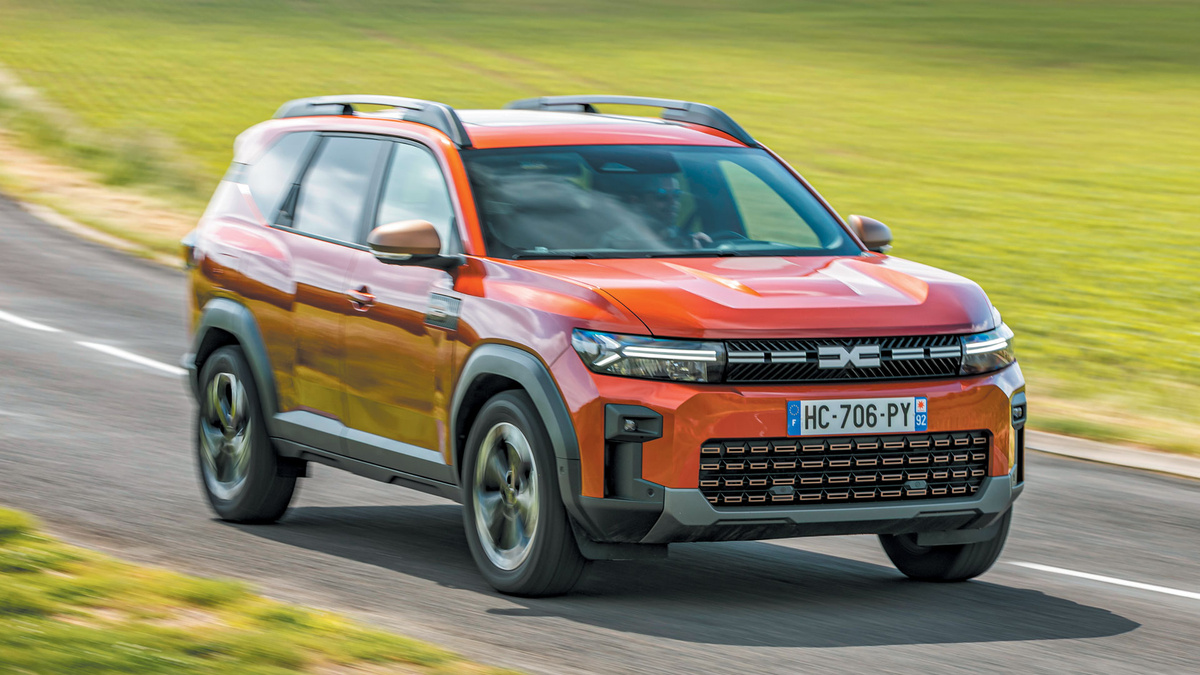
The Bigster asks whether a budget brand can stretch into higher ground without losing its soul. In Europe, Dacia’s promise has long been simple: deliver the most car for the least money. That formula built a fiercely loyal following, yet moving up a size and up a price class is a different game. The Bigster’s mission is to prove that value and aspiration can coexist.
A brand built on frugality faces a new test
For two decades, Dacia’s playbook has been clarity itself: honest engineering, tight pricing, and just enough comfort to keep buyers happy. The Sandero’s dominance among private customers shows how deeply that approach resonates. Now the Bigster must uphold those values while addressing a more demanding segment where design, tech, and perceived quality carry extra weight.
“Value no longer means compromise; it means choosing what truly matters.”
The line is catchy, but the real test is whether buyers actually feel that shift. In this space, rivals like Qashqai, Tiguan, and 3008 have long set the bar for refinement, connectivity, and showroom appeal. The Bigster’s task is to be just premium enough to tempt cross-shoppers, yet still unmistakably Dacia.
A bigger Duster, or something bolder?
At first glance, the Bigster looks like a Duster that’s been supersized, but the stance is more confident and the detailing more assertive. Proportions are clean, and the surfaces feel deliberately robust, signaling the brand’s outdoor, no-nonsense ethos rather than pseudo-luxury pretension. Inside, materials are durable, the layout is straightforward, and storage is sensibly generous—all hallmarks of Dacia’s user-first thinking.
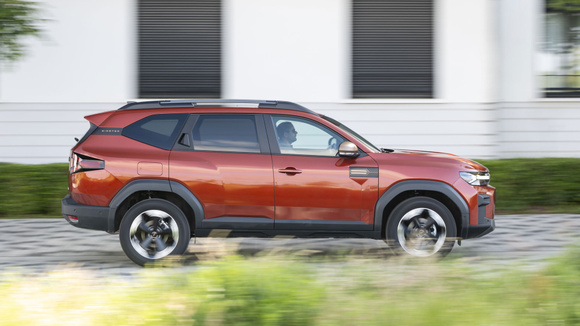
Still, equipment tells a more ambitious story. A panoramic roof, 18-inch wheels, and richer infotainment move the goalposts. In top hybrid trims, the price can comfortably clear €30,000—a psychological threshold for a brand built on thrifty virtue. The question becomes not “Is it cheap?” but “Is it well-judged?”
Pricing, equipment, and perceived value
The Bigster’s calculus leans on perceived value rather than bare cost. Buyers get size, stance, and family space that rival pricier crossovers, plus day-to-day practicality that feels genuinely useful. The cabin is simple, the interface is unfussy, and the driver aids are sufficient instead of excessive. This restraint keeps the Bigster focused on what owners actually use.
Consider the core appeal:
- Big-car presence without big-car fluff
- Honest, hard-wearing materials for real-world use
- Family-first packaging and unpretentious tech
- Sensible ownership costs and robust resale logic
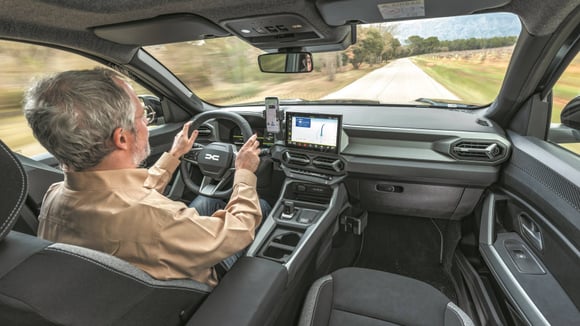
The result is a machine that feels purposeful, not pretend-premium. If you want leather-scented theater, this isn’t it; if you want hassle-free utility, it hits the mark.
Market response so far
Early numbers suggest the bet is working. Launched at the start of 2025, the Bigster has already attracted nearly 9,200 buyers, a strong start for a brand new nameplate in a crowded class. That places it not far from a Renault Austral and within touching distance of mainstream heavyweights in the 10,000-unit range. Importantly, most sales have gone to private customers, with fleets accounting for less than 10%—a mild surprise for a car that seemed well-suited to business duty.
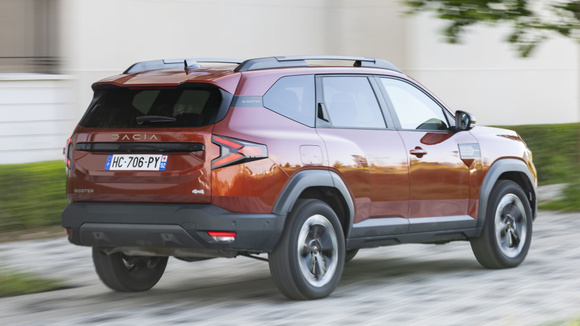
That private-buyer tilt is actually a quiet win. Dacia’s reputation for hassle-free ownership continues to anchor real-world demand, even as average transaction prices push higher. Order books reportedly include plenty of €32,000-plus builds, implying buyers see the package as fair, not fancy.
What could still go wrong
Momentum is promising, but durability must be proven. Once the novelty fades, Dacia will need steady showroom traffic and consistent retail pricing to keep the value story intact. Fleet penetration remains an open question; better total-cost-of-ownership data and strong residuals could unlock that channel. Above all, Dacia must protect its DNA—simplicity, restraint, and accessible pricing—as Sandero and Spring face renewal, with hybrid adoption and Chinese EV competition looming large.
Verdict
So, is the Bigster cracking the brand’s “impossible” mission? The early answer is a cautious but convincing yes. It stretches the Dacia idea into a more aspirational shape without chasing faux luxury, and it prices that stretch with credible discipline. The Bigster feels like a bigger, better Dacia that learned which upgrades matter, not a budget car pretending to be premium. If sustained demand confirms today’s signal, Dacia may have rewritten its own rules—and proven that value can rise in price without falling out of favor.
