
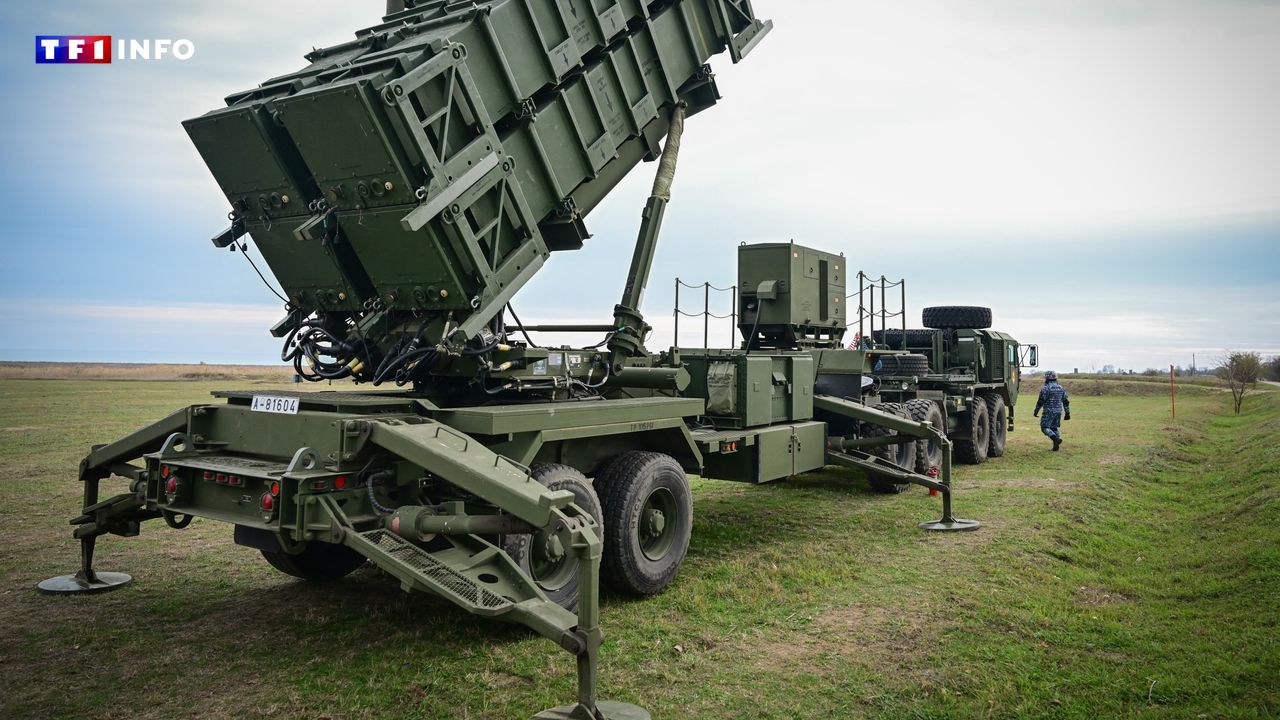
As Russian drones repeatedly probe European airspace, a coalition of security experts has rallied behind a rapid-deployment concept called “Skyshield.” The idea is to push protective measures forward—into and above Ukraine—so that threats are intercepted before they reach European borders. The latest drone violation over Poland crystallized this urgency, prompting seasoned military voices and analysts to advocate a practical, politically calibrated plan.
Among the signatories are defense specialist Xavier Tytelman and former French Army generals Michel Yakovleff and Vincent Desportes. They argue that Europe must coordinate more tightly, pool assets, and signal resolve without crossing the threshold into direct combat with Russian forces. The approach is described as proportionate, with a singular focus on defense of civilians and critical infrastructure.
What the proposal entails
The architects envision two pillars. First, deploy sensors and interception systems inside Ukraine to detect and neutralize drones and missiles as early as possible. This means more radars, mobile launchers, and counter-UAS suites near likely flight corridors.
Second, mount standing air patrols flown from bases in neighbors such as Poland and Romania. These would operate outside the frontline, remaining at arm’s length from Russian aviation while ready to intercept inbound threats that could endanger civilians. The aim is a protective umbrella that blunts attacks without escalation.
A forward, layered defense
Skyshield echoes modern air defense doctrine: layered detection, swift decision-making, and graduated effects. Ground and airborne radars form a sensor mesh; data fuses into a common picture that cues interceptors and fighters. Mobile systems close the gap against low-flying drones, while longer-range batteries handle missiles arcing from deeper launch points.
Crucially, the concept relies on clear rules of engagement and deconfliction channels to avoid miscalculation with Russia. It promises a shield focused on objects, not on striking launch sites or escorting bombers, keeping the mission defensive and legally sound.
Why the urgency now
Repeated strikes against Ukrainian cities and the spillover risk to NATO territory have altered the risk calculus. Each cross-border incident tests European credibility and exposes the time lag between detection and interception when defenses sit too far back. Moving the shield forward buys time, reduces leakage, and protects power grids, hospitals, and housing from saturation attacks.
As one supporter put it, “We must reverse this logic and carry protection upstream. It is essential to protect Ukraine and its civilians by intercepting threats in Ukrainian airspace, before they reach European borders.” The message to the Kremlin is intended to be firm yet measured: Europe will defend its freedom and that of its allies.
Key components at a glance
- Networked early-warning radars and passive sensors for low, slow, small targets
- Mobile short-range air defense (SHORAD) and counter-UAS jammers
- Medium-to-long-range interceptors for cruise missiles
- Air policing with ready fighters on combat air patrols (CAP)
- Airborne command-and-control and data links for rapid tasking
- Civil-military coordination to protect critical infrastructure
Assets and integration
European nations already field capable systems—Patriot, SAMP/T, IRIS-T SLM, NASAMS, and Gepard—that could be assembled into a coalition framework. Fighter aircraft like Rafale, F‑16, or Typhoon can maintain CAPs with tanker and AWACS support. Interoperable data links and joint procedures are the glue, enabling assets from multiple countries to act as one.
This concept would dovetail with broader European efforts, complementing initiatives to strengthen homeland air defense while prioritizing the frontline where threats are most acute. The outcome is a scalable architecture that can expand or contract as needs evolve.
Managing risks and limits
Any forward defense brings risks. Intercept windows are narrow, and drone swarms strain magazines and manpower. Even defensive CAPs must avoid provocations that Moscow could exploit for narratives of escalation. Logistics, training, and sustainment are nontrivial; crews need rotation, spare parts, and reliable funding.
Clarity on legal mandates is essential, particularly for intercepts over Ukraine and for hot-pursuit scenarios near borders. The more transparent the rules, the lower the chance of miscalculation. Measured communication with Russia, backed by visible capability, helps stabilize the deterrence picture.
What it would take to launch
Momentum requires political alignment, a lead nation or small steering group, and a defined command construct under NATO or a tightly integrated coalition. Financing can blend national contributions, EU instruments, and urgent operational needs lines. The priority is speed: procure ready-to-field assets, integrate existing stocks, and standardize procedures in weeks, not years.
Success hinges on practical goals: protect cities, shield critical nodes, and cut the kill chain early. Done right, Skyshield becomes a living umbrella, constantly adjusted by data, lessons, and coalition resolve—an answer designed to save lives without stumbling into a wider war.
