
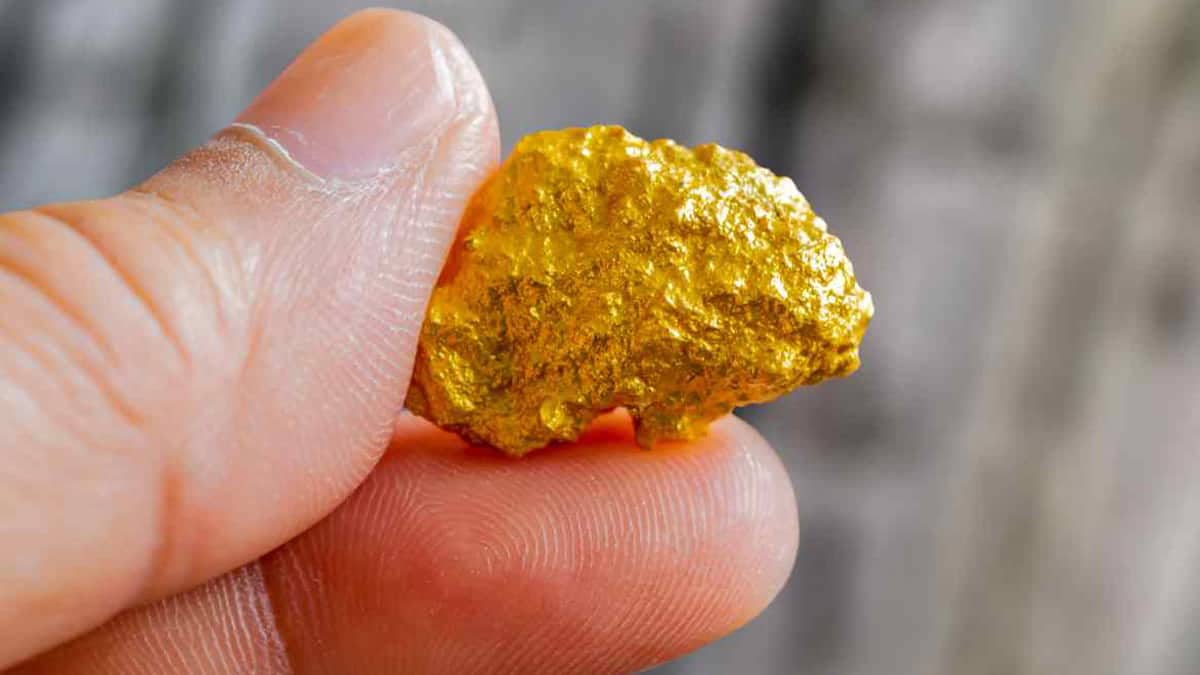
Our homes hide a quiet trove of value: in the guts of discarded devices, small traces of gold cling to connectors, boards, and pins. Across just 20 motherboards, researchers have shown you can recover about 450 milligrams of 22‑karat gold—proof that our junk drawers are unexpectedly wealthy. At global scale, the numbers swell, and so does the case for smarter, safer recovery.
Why our gadgets hold more gold than rocks
Electronics rely on gold for what it does best: resist corrosion and conduct electricity with reliability. That’s why you find it in edge connectors, fine pins, and plated contacts. Measured per ton, e‑waste can contain up to 400 grams of gold, often richer than many traditional ores.
Yet roughly 50 million tons of e‑waste are generated yearly, and about 80% is not properly recycled. Conventional extraction leans on cyanide or mercury, pushing toxic burdens onto water, soil, and workers. The opportunity—and responsibility—is to recover metals without repeating the harms of past mining.
A Swiss method that turns scrap into 22‑karat gold
Scientists at ETH Zurich unveiled a gentle, ingenious process that swaps hazardous leachants for protein‑based sponges made from whey, a by‑product of cheese making. These protein fibrils form porous structures that selectively bind dissolved gold ions from solutions derived after component processing.
With heat treatment, the captured ions coalesce into nuggets of 22‑karat purity, avoiding the worst chemicals and heavy emissions. The method is scalable, materially efficient, and designed with circularity in mind. It reframes e‑waste as a resource stream rather than a hazardous dead‑end.
“When we stop calling it waste and start calling it feedstock, we unlock cleaner technologies and a more resilient materials future.”
What’s really inside our old electronics
Beyond gold, your retired devices contain a portfolio of metals with real market and strategic value. From a handful of boards and cables, a recycler can tap a surprising mix of elements:
- Gold in printed circuit boards and fine connectors
- Silver in high‑reliability switches and contacts
- Copper in traces, coils, and tangled wiring
- Palladium in multilayer ceramic capacitors
- Platinum in a few specialized or high‑precision parts
Thoughtful design and safe recovery create a second life for these materials, reducing dependence on volatile mining supply chains.
How urban mining beats traditional digging
Once you compare yields, e‑waste looks like premium‑grade ore. Traditional gold mining returns a few grams per tonne, while urban mining can reach hundreds of grams per tonne of sorted scrap. The Swiss process has demonstrated around 450 milligrams from 20 motherboards, signaling strong potential with optimized flows.
The environmental math also shifts. Avoiding cyanide, mercury, and energy‑intensive rock crushing cuts both carbon and local toxicity. Pair the protein sponge with clean hydrometallurgical pre‑treatments, and you get higher recovery with lower harm. In short, more metal with fewer unintended consequences.
The road to a circular electronics economy
This technique aligns with a broader push for repairable, recoverable devices that circulate valuable atoms longer and safer. It supports new local industries—collection, sorting, and materials refining—that can create jobs while shrinking environmental footprints. As take‑back programs expand, each old gadget becomes a ticket to resource efficiency.
Policy can accelerate the loop: eco‑design standards for easier disassembly, incentives for certified recyclers, and extended producer responsibility. The result is a market where cleaner methods outcompete dirty ones, and today’s discards become tomorrow’s inputs.
What you can do before the bin
Individual steps help turn potential into real recovery without much effort.
- Use manufacturer or municipal take‑back and certified e‑waste drop‑offs
- Back up data, then responsibly wipe or remove storage
- Keep batteries separate to prevent fires and leaks
- Avoid mixing e‑waste with household trash
- Choose brands that support repair, parts access, and robust recycling
Each action nudges valuable metals back into productive circulation, where they can serve new devices.
A tiny glint with outsized impact
The 450 milligrams of 22‑karat gold hidden across a couple dozen boards may seem modest, but at scale it becomes a serious climate and materials strategy. Cleaner chemistry meets practical economics, transforming e‑waste from liability to asset. When you upgrade next, remember: inside that retired gadget, a small seam of modern alchemy is waiting to be reclaimed—safely, efficiently, and for the common good.