
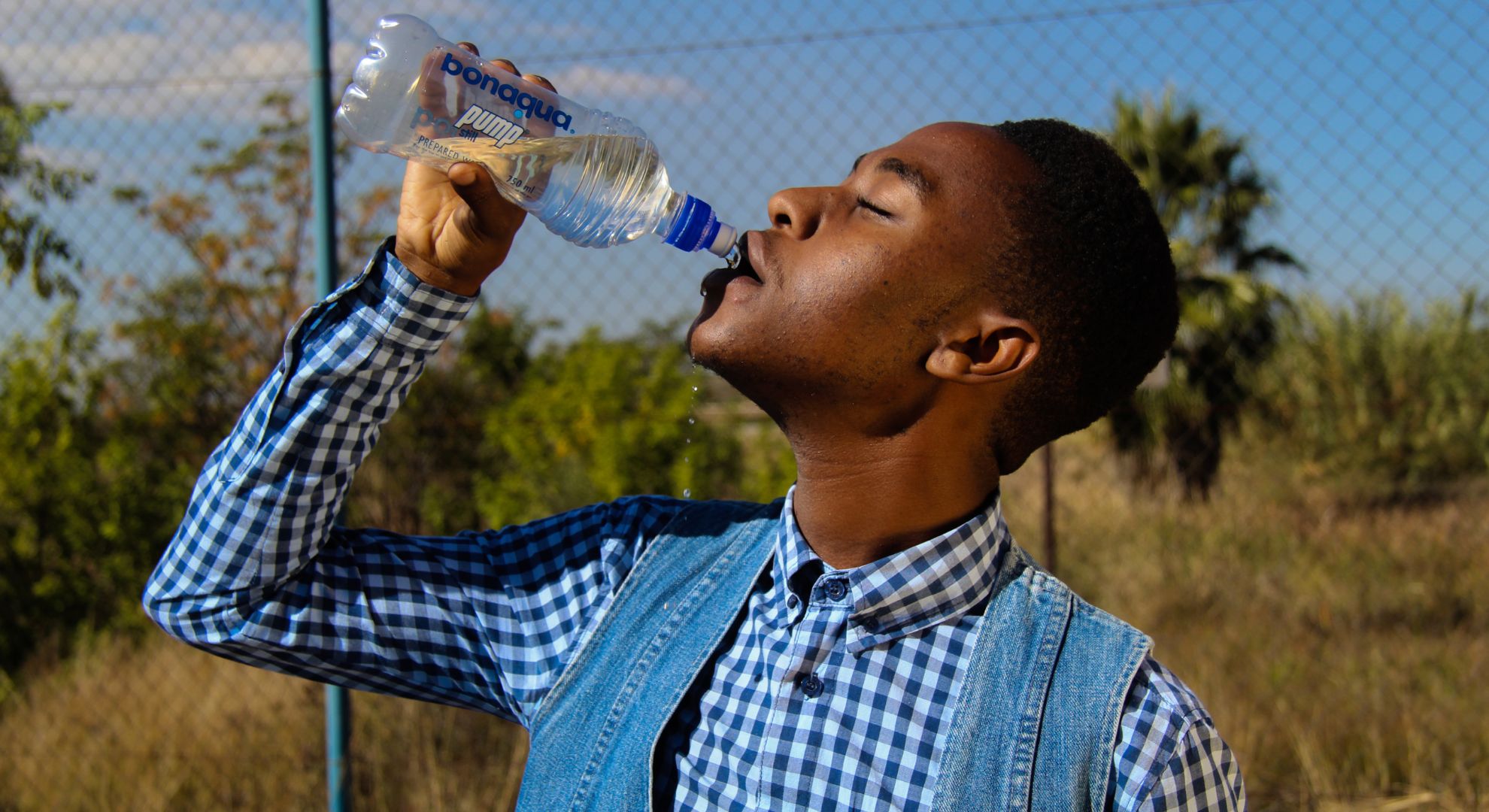
For years, plastic bottles were seen as harmless objects of convenience. They were light, practical, cheap and available everywhere. But growing research into microplastics has changed the way scientists look at everyday exposure.
The concern is no longer only environmental. It is also biological: what happens when tiny plastic particles enter the human body again and again, through water, food, air and packaging?
A silent exposure that happens every day
Microplastics are fragments of plastic so small they can be difficult to detect without specialized equipment. Some are formed when larger plastic objects break down. Others come from packaging, synthetic fabrics, industrial materials or food containers.
Once released, they can spread almost everywhere: drinking water, seafood, dust, soil and even indoor air.
“The problem is not one single bottle of water. The concern is repeated exposure over years, from multiple sources at the same time,” explains a toxicologist.
What happens inside the body
Scientists are still studying the long-term effects, but microplastics have already been detected in human tissues, blood and organs. Their presence raises important questions about inflammation, cellular stress and chemical exposure.
The concern is not only the plastic particle itself. Some plastics can carry additives, residues or pollutants that may interact with the body once absorbed.
Why plastic bottles are under scrutiny
Bottled water is not the only source of microplastics, but it is one of the most visible. Plastic bottles can release tiny particles, especially when exposed to heat, sunlight, repeated handling or long storage.
This is why some specialists recommend reducing unnecessary exposure when simple alternatives exist.
Common ways to limit exposure include:
- using glass or stainless-steel bottles
- avoiding leaving plastic bottles in hot cars
- limiting reheating food in plastic containers
- reducing heavily packaged foods
- improving indoor dust control
Not a miracle cure, but a risk reduction
Stopping bottled water will not remove all microplastics from the body. Exposure is too widespread for that. But reducing one frequent source can still lower overall contact, especially for people who drink bottled water daily.
This is where the story becomes striking: some people who changed their habits report improved health markers or reduced inflammation. However, experts warn that blood test changes can be influenced by many factors, including diet, exercise, sleep, stress and medical conditions.
What toxicologists are watching closely
Researchers are particularly interested in whether microplastics can trigger chronic low-grade inflammation, disrupt gut balance or interfere with normal cellular processes.
The science is still developing, but the direction is clear: microplastics are no longer considered a distant environmental issue. They are part of daily human exposure.
A simple habit with bigger implications
Replacing plastic bottles with safer alternatives is not about panic. It is about reducing avoidable exposure in a world where plastic is already everywhere.
For toxicologists, the message is practical: no single change can eliminate the problem, but repeated daily choices can reduce the burden on the body over time.

Okay, your title to this article is a bit mis