
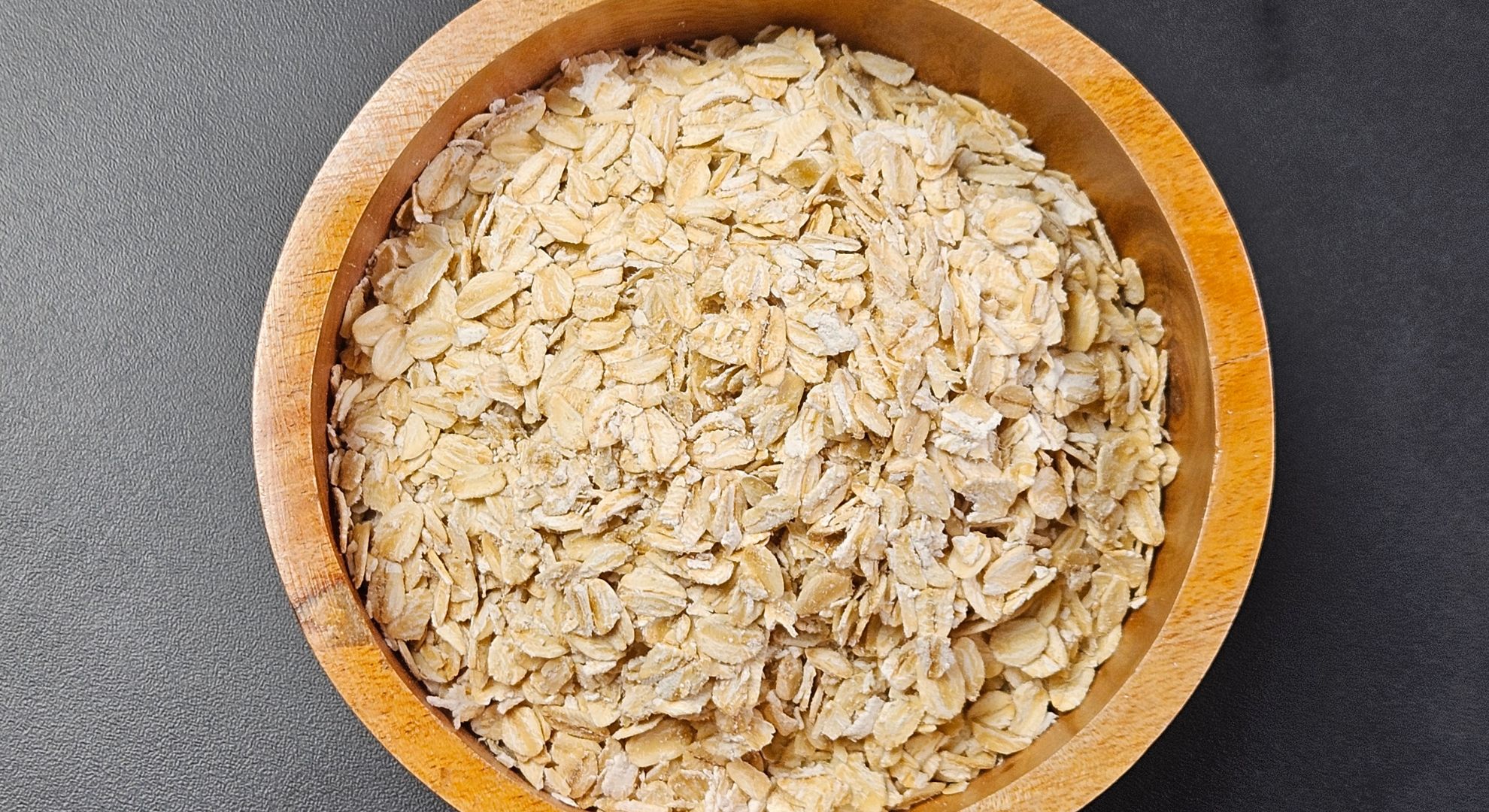
Morning wellness routines often start with a steaming bowl of instant oats, marketed as a wholesome and effortless choice. Yet many people are surprised to learn that certain packets can spike blood sugar faster than a slice of white bread. “Healthy” doesn’t always mean “gentle on glucose,” and that mismatch leaves many shoppers confused and overconfident.
What the glycemic index actually measures
The glycemic index (GI) estimates how quickly a carbohydrate food raises blood sugar. Foods are compared to a standard—typically glucose—and assigned a number that reflects their speed of absorption. As a simple rule, higher GI means faster digestion and a sharper rise in blood sugar.
“Think of GI as a speedometer for starch,” is a useful way to remember the concept. But context matters: portion size influences glycemic load (GL), and what you eat alongside the oats—like protein or fat—can slow the surge.
Why some instant oats can outrun white bread
Not all oats are created equal, and processing makes a difference. Instant varieties are pre-cooked, finely milled, and designed to become soft in seconds—features that make starch more accessible to enzymes. The smaller the particle, the faster the breakdown and the quicker the spike.
Flavored packets add another layer: sweeteners, syrups, and even “natural” sugars can boost the impact. As a result, many instant options post GI values in the high range—often reported above common white bread on glucose-based scales. “Whole grain” on the label doesn’t guarantee a gentle metabolic profile.
The wellness halo and the reality check
Influencer-friendly breakfasts often emphasize simplicity and comfort, but blood sugar doesn’t care about social-media aesthetics. A bowl that tastes dessert-like, with quick-cooking oats and sweet add-ins, can behave more like a pastry than a porridge. “The health halo is powerful,” as many dietitians note, “but metabolism is literal.”
That doesn’t make oats the villain. It just means the form, the portion, and the toppings dictate whether your bowl is steady fuel or a short-lived spike.
How to keep oats on your side
The goal isn’t to abandon oats; it’s to choose and build them more strategically. Small tweaks shift a speedy bowl into a balanced one. Use these practical, GI-friendly moves:
- Choose less processed oats (steel-cut or thick rolled), add protein (Greek yogurt, eggs), include healthy fats (nuts, seeds, nut butter), boost fiber (chia, ground flax, berries), limit added sugars, and watch portion size.
Who needs to be most cautious
People managing diabetes, prediabetes, or conditions with insulin resistance—including some with PCOS—often benefit from dialing down spikes. Athletes might welcome a rapid rise before high-intensity training, but most desk-bound mornings call for steadier energy. If you notice mid-morning crashes, cravings, or “hangry” swings, your breakfast may be culpable.
Label-reading that actually helps
Marketing phrases like “heart healthy” and “whole grain” can overshadow what matters. Start with added sugars—many flavored packets pack more than a dessert-like treat. Look for higher fiber (aim for at least 4–5 grams per serving) and meaningful protein (8–15 grams after add-ins). Short ingredient lists, minimal sweeteners, and fewer refined starches are your friends.
If the packet lists syrups, maltodextrin, or multiple forms of sugar, expect a faster ride. “If sweet is first, your glucose is next” is a decent rule of thumb.
A better bowl, built fast
For a quick, steadier breakfast, start with thick rolled oats or steel-cut (pre-cooked in a batch or soaked overnight). Stir in Greek yogurt or a scoop of unsweetened protein powder. Top with walnuts or almonds, a spoon of chia or ground flax, fresh berries, and a shake of cinnamon. Sweeten, if needed, with a minimal drizzle of honey or a mashed banana—then taste before adding more.
This combo pairs slower carbs with protein, fat, and fiber, turning a glucose sprint into a manageable jog. You still get warm, familiar comfort, with fewer mid-morning energy dips.
What about portion and timing?
A modest serving—think 1/2 cup dry for rolled oats—goes a long way when balanced with toppings. Eating oats alongside eggs or a savory side can flatten the curve, as can finishing the meal with a short walk. “Food order matters,” some clinicians note: protein and fat before carbs often blunts the response.
The bottom line for busy mornings
Oats can be a metabolic ally or a stealthy sugar surge, depending on processing, add-ins, and portion. Treat the GI as useful context, not dogma, and build bowls that respect your metabolism. With a few mindful swaps, breakfast shifts from hype-driven to evidence-informed—still fast, still cozy, and far more stable.