
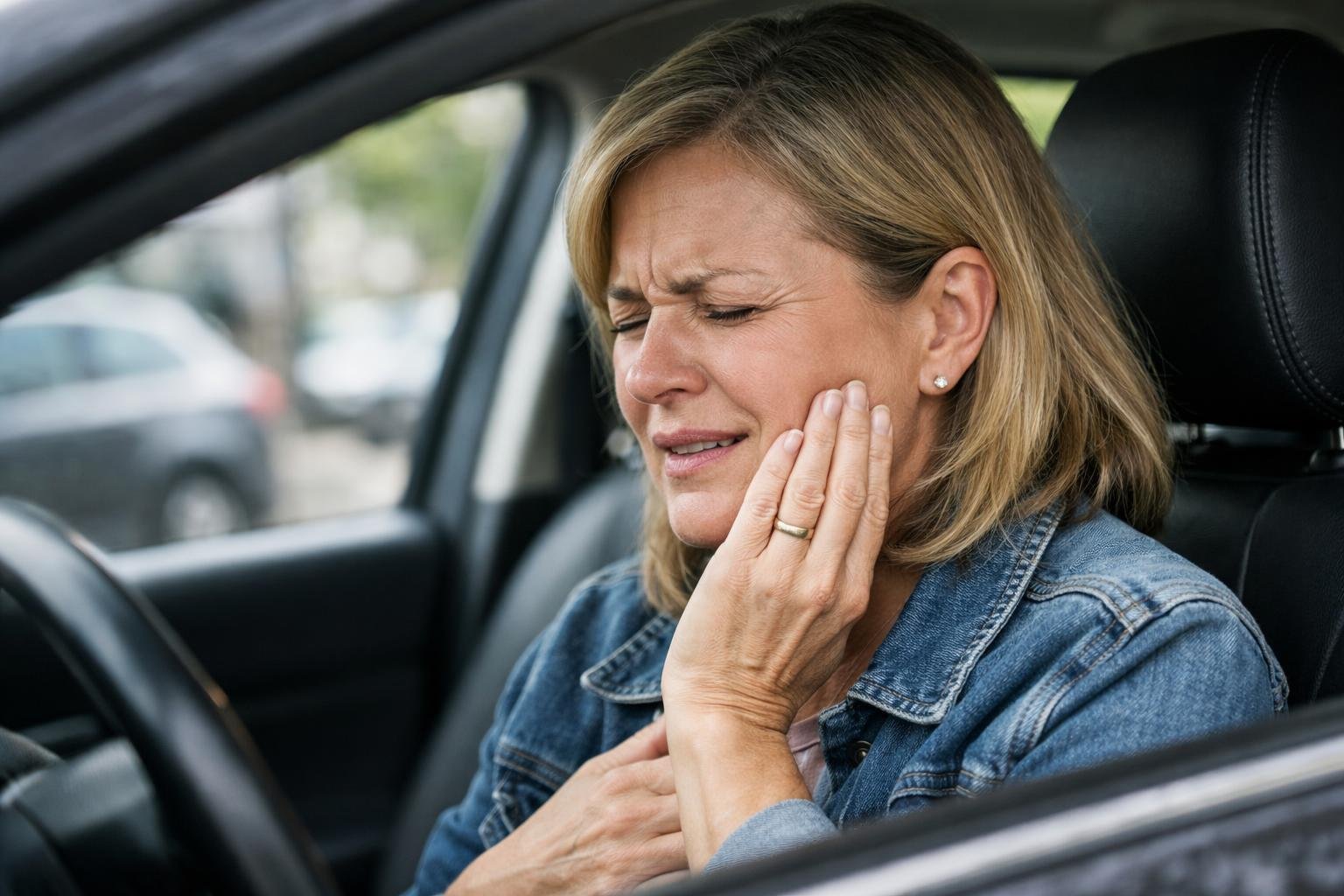
A sudden twinge in the jaw can feel like a minor nuisance, but for many women it’s an early whisper from the heart. Because female symptoms often look “atypical,” they’re easy to dismiss as stress, teeth grinding, or a lingering cold. Yet when the body sends pain to the jaw, especially alongside other subtle signals, it may be pointing to reduced blood flow to the heart.
“Pay attention to any new, unexplained discomfort above the waist that lasts more than a few minutes,” says a common clinical mantra. Listening early can change the outcome, because prompt treatment restores blood flow and protects muscle.
Why jaw pain can reflect a heart problem
The heart shares nerve pathways with areas of the neck and face, so cardiac pain can be “referred” to the jaw. When the heart is starved of oxygen, the brain may perceive the distress in nearby regions rather than the chest itself.
This pain often tracks along the lower jaw, sometimes radiating to the ear or down the neck. It can appear on the left, right, or both sides, which is why laterality alone isn’t a reliable clue.
How the pain tends to feel
Cardiac-related jaw pain is usually a deep, pressing ache rather than a sharp, stabbing twinge. Many describe it as tightness, heaviness, or a clenched, band-like pressure.
It may be brought on by exertion or emotional stress, and improve with rest, only to return with the next effort. “Pain that keeps pace with your activity rather than your jaw movement is a red flag,” clinicians often note.
Other symptoms that may travel with it
Even when chest pain is absent, other signs frequently cluster with jaw discomfort. Watch for:
- Unusual shortness of breath or sudden, hard-to-place fatigue
- Nausea, indigestion-like burning, or upper-abdominal pressure
- Cold sweats, lightheadedness, or a feeling of looming dread
- Pain spreading to the back, shoulder, or one or both arms
- A sense that something is “not right,” even if symptoms are vague
Why women are uniquely affected
Women more often experience microvascular angina, where tiny vessels limit flow without large artery blockages, creating diffuse, harder-to-locate pain. Hormonal shifts, especially after menopause, can change vascular function and symptom patterns.
Social factors also play a role. Women are more likely to downplay discomfort, caregive through symptoms, and delay seeking care. “If you have to ask, ‘Could this be my heart?’ treat it like it is,” says another trusted principle.
What to do in the moment
If jaw pain is new, unexplained, lasts more than 5–10 minutes, or comes with any of the above symptoms, call emergency services immediately. Do not drive yourself, and do not wait for the pain to fully resolve.
If you have no aspirin allergy and have been advised it’s appropriate, chew a standard, non–enteric-coated aspirin while awaiting help. Sit or lie down, keep calm, and note the time the symptoms began. Early action saves muscle and preserves life.
Clues that point away from the heart (and why certainty is tricky)
Jaw pain that is pinpoint, tender to touch, or worsens with wide chewing is more suggestive of TMJ or muscle strain. Pain limited to a single tooth, sharply worsened by hot or cold, may be dental in origin.
Sinus infections can cause upper-jaw pressure, especially with nasal congestion and facial tenderness. Still, overlap is common, and self-triage can be misleading. When in doubt, err on the side of the heart and seek urgent evaluation.
How to lower your risk going forward
Know your numbers: blood pressure, cholesterol, blood sugar, and waist size all matter. Work with your clinician to control hypertension, diabetes, and lipids, which strongly influence risk.
Build heart-healthy habits: regular physical activity, a fiber-rich eating pattern, restful sleep, and avoidance of tobacco in any form. Manage stress through breathing, social support, or mindful practice, because adrenaline surges can tip a vulnerable heart.
Keep a personal baseline of what feels normal for your body, and notice shifts that are subtle but persistent. “Time is muscle,” as the saying goes—and the earlier you respond to jaw warnings, the more heart muscle you can protect.
Finally, schedule routine care, especially if you have a family history of early heart disease or pregnancy-related conditions like preeclampsia or gestational diabetes. Small, steady changes compound, and attention to early signals can rewrite the story of your health.