
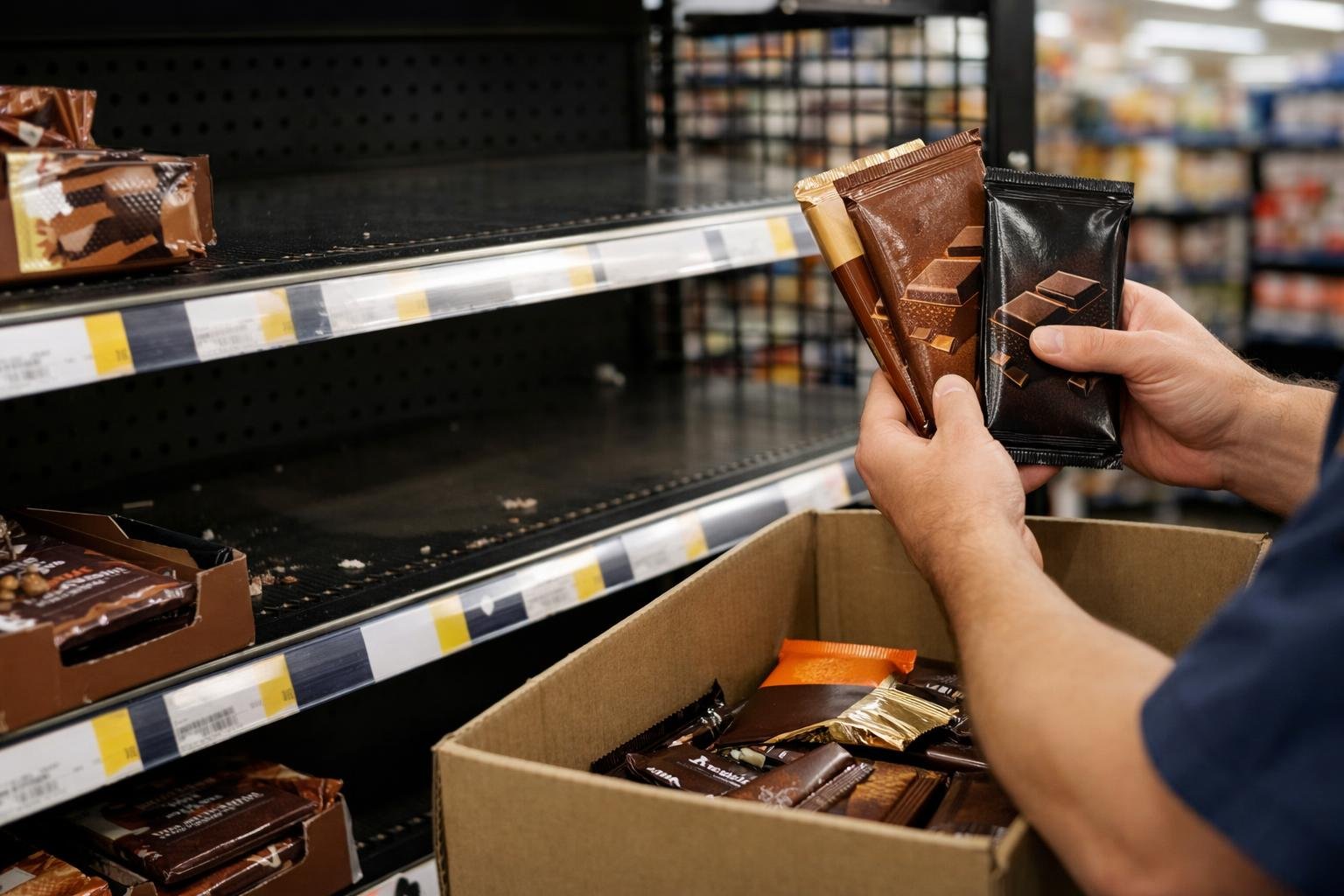
Shoppers across the country woke up to an unexpected jolt, as major retailers moved quickly to remove select chocolate bars from sale. The action, prompted by safety concerns, has left candy lovers scanning pantries and receipts. While the situation is evolving, the message from stores is clear: check your products and take simple next steps.
Retailers emphasize that this is a preventive measure, not a cause for panic. “Out of an abundance of caution, we are acting swiftly,” one corporate notice stated. For most households, the remedy is straightforward and consumer friendly.
What triggered the recall
Early quality checks flagged a potential issue involving undeclared allergens in certain chocolate bars. In plain terms, a small labeling error or cross-contact could expose sensitive consumers to ingredients they need to avoid. That risk—no matter how limited—is enough to trigger a recall under best-practice standards.
“Food safety is our top priority, and when in doubt, we pull the product,” a retail safety team noted. These situations are usually identified by manufacturers, verified with testing, and rapidly communicated to stores nationwide.
Which products may be affected
The notices reference select chocolate bars from specific production runs, typically identified by lot codes and best-by dates. Packaging might look identical on the shelf, but tiny code details make all the difference. If you have premium-style bars, variety multi-packs, or seasonal editions, pay extra attention to fine-print markings near the barcode.
If you’re unsure whether your candy is included, the safest move is to treat it as potentially affected until you can confirm. “If you think you may have the item, please do not consume it,” store advisories urge. That precaution protects people with allergies, and speeds the return-and-refund process.
What shoppers should do now
For most customers, the next steps are simple and guided by standard policy. Keep any relevant packaging, and check the tiny batch codes before heading to the store. You do not need a receipt to request help in most cases.
- Stop consuming the potentially affected bars and set them aside in a safe, sealed container.
- Check the product’s lot code and best-by date against official retailer or manufacturer notices.
- Bring the item back to the place of purchase for a full refund or exchange, as local policies may allow.
- If symptoms of an allergic reaction occur, seek medical advice promptly and save the packaging for reference.
What the retailers are saying
Big-box and grocery leaders are emphasizing transparency and quick action. “We’re contacting customers who may have purchased the bars and offering clear refund options,” a customer care team shared. “Your safety is our focus, and our shelves are being checked repeatedly,” another spokesperson added.
These messages follow a familiar pattern: immediate removal, direct alerts, and broad communication through email, in-app notifications, and store signage. The faster those wheels turn, the fewer affected products remain in circulation.
Why recalls like this happen
Chocolate supply chains are complex, and occasional slip-ups can happen even with strong controls. Common triggers include undeclared milk, peanuts, or tree nuts, which are serious for those with allergies. Manufacturing lines shared across products require robust cleaning and verification steps; when doubt arises, companies act on the side of caution.
Experts stress that recalls are a sign of systems working as intended. “Finding a problem and acting quickly is exactly how consumer protection should work,” food safety specialists explain. The aim is rapid containment and clear communication, not consumer alarm.
How to verify your items
If you can read the lot code and best-by date, compare them to official recall pages hosted by the retailer or manufacturer. When codes are smudged or missing, treat the product as suspect and contact support channels for guidance. Keep the outer wrapper intact, since staff will need those tiny details.
Most stores maintain up-to-date lists online, and many will scan barcodes at the service desk to confirm eligibility. “Bring it in—we’ll take care of it,” frontline teams reassure. That convenience is built to reduce friction and protect shoppers.
The bottom line for families
If you or a loved one has food allergies, be extra vigilant with any recently purchased chocolate. If no one in your household is allergic, the likelihood of serious harm is lower, but it’s still wise to follow the guidance and return or discard affected bars. Refunds are generally available, and support teams are ready to help.
As more details roll out, expect continued store updates, quick shelf audits, and plenty of customer assistance. Keep your wrappers, check your codes, and don’t hesitate to ask—because when it comes to food safety, speed and clarity are the sweetest ingredients.