
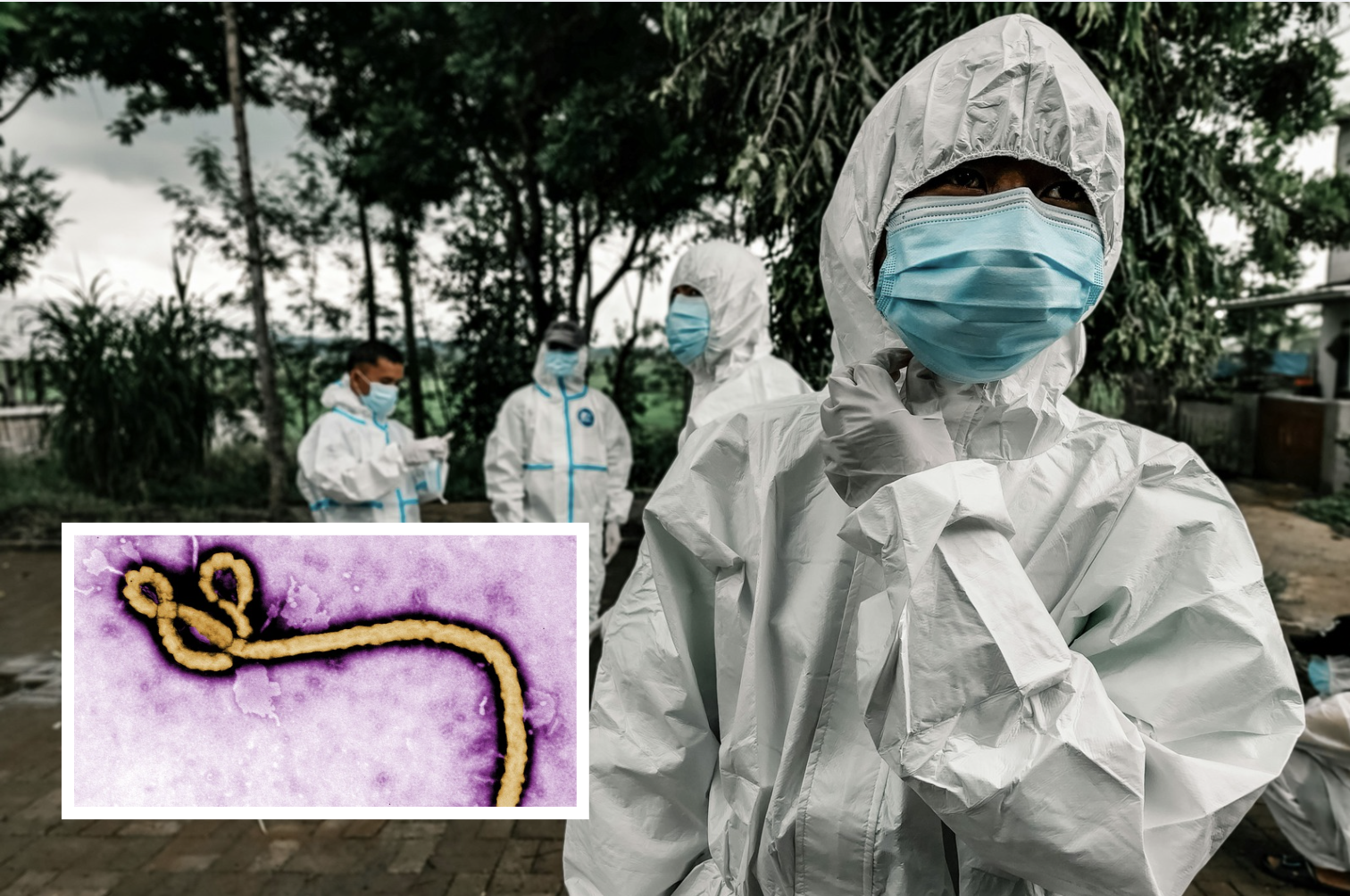
Health authorities monitor an Ebola outbreak caused by Bundibugyo virus in the Democratic Republic of the Congo and Uganda. In the United States there are no confirmed cases within the country linked to this outbreak, but the CDC has activated travel surveillance and hospital preparedness measures.
According to the CDC, an American who was exposed while working in patient care in the Democratic Republic of the Congo tested positive for Bundibugyo virus on May 17. The agency says the overall risk to the general U.S. public and travelers remains low.
CDC and the Department of Homeland Security activated on May 18 travel screening measures, entry restrictions, and public health preparedness. The World Health Organization declared the outbreak a Public Health Emergency of International Concern on May 16.
The Bundibugyo virus was confirmed in Ituri
The WHO received the first alert on May 5 for a high-mortality illness in the Mongbwalu health zone, Ituri Province, northeast of the Democratic Republic of the Congo. On May 15, laboratory tests confirmed that it was Bundibugyo virus, a form of Ebola.
CDC reported that, as of May 18, there were 11 confirmed cases and 336 suspected cases in the Democratic Republic of the Congo, with 88 deaths. Uganda registered two confirmed cases, including one death, in people who had traveled from the DRC. Up to that update, no further spread had been reported in Uganda.
The WHO noted that Ituri has commercial and migratory movement, in addition to proximity to Uganda and South Sudan. The agency also noted that insecurity, population displacement, and difficulties in tracing contacts complicate the public health response.
Fever, pain and weakness appear at onset
Symptoms of Ebola can appear 2 to 21 days after exposure to the virus. The CDC notes that, on average, people begin to show symptoms between 8 and 10 days after contact.
At onset, fever, muscle and joint pain, severe headache, weakness, fatigue, and sore throat may occur. After several days, some patients develop loss of appetite, nausea, abdominal pain, diarrhea, vomiting, and unexplained bleeding.
They may also experience chest pain, shortness of breath, confusion, red eyes, rash, hiccups, or seizures. The CDC warns that early symptoms can be mistaken for malaria, influenza, typhoid fever, meningococcal disease, pneumonia, or other bacterial infections.
Also read: Alerts about a gas-station scam that can lead to hundreds of dollars in charges
Transmission requires contact with bodily fluids
Ebola is transmitted when broken skin or the mucous membranes of the eyes, nose, or mouth come into contact with blood or bodily fluids of an ill or deceased person. Those fluids include urine, saliva, sweat, feces, vomiting, breast milk, and amniotic fluid.
CDC also notes that the virus can spread through objects contaminated with bodily fluids, such as clothing, sheets, needles, or medical equipment. No evidence exists that mosquitoes or other insects spread the viruses that cause Ebola.
A sick person can transmit the virus once they begin showing symptoms. The CDC stated that Ebola viruses are not transmitted by casual contact nor through the air.
Houston maintains protocols for reportable diseases
As of May 19, the CDC had not reported confirmed cases in the United States linked to the current outbreak. In Texas, the most documented federal antecedent occurred in Dallas in 2014, when the CDC confirmed the first Ebola case diagnosed in the United States in a person who had traveled from Liberia.
That outbreak left three patients in Texas: the traveler diagnosed in Dallas, who died on October 8, 2014, and two health care workers who were infected while caring for him. By November 7 that year, 177 contacts had completed 21 days of monitoring; another 12 people were evaluated for Ebola-compatible symptoms and none were diagnosed with the disease.
In Houston, hospitals, laboratories, healthcare providers, and other institutions must report suspected or confirmed cases of notifiable diseases. The Houston Health Department notes that outbreaks, exotic diseases, or unusual conditions must also be reported, even before laboratory confirmation.
The department maintains a reporting line for health care providers at 832-393-5080. Its World Cup 2026 resources page asks physicians to consider travel histories from both domestic and international sources when evaluating patients, given the influx of visitors expected for the tournament.
DR Congo will have a World Cup base in Houston
The Democratic Republic of the Congo’s national team plans to establish its World Cup 2026 base in Houston during the group stage. The team will train at SaberCats Stadium, south of the city, and their first match will be against Portugal on Wednesday, June 17, in Houston Stadium.
CDC activated on May 18 a Title 42 order restricting entry of people who are not traveling with U.S. passports and who have been in the Democratic Republic of the Congo, Uganda, or South Sudan in the preceding 21 days.
The order does not apply to U.S. citizens, U.S. nationals, or lawful permanent residents returning from affected areas. CDC recommends seeking medical care immediately if a person develops fever, weakness, vomiting, diarrhea, or unexplained bleeding within 21 days after travel to affected countries.
The schedule places Portugal vs DR Congo in Houston on June 17, within Group K. The federal restriction announced on May 18 covers a 30-day period, thus extending to the date scheduled for that game.
CDC noted that it maintains coordination with international health authorities in contact tracing, virus sequencing, infection control, border screening, risk communication, and the delivery of personal protective equipment in affected areas.
The current outbreak involves Bundibugyo virus. The CDC notes that there is no vaccine or specific approved treatment for this virus; medical care is based on supportive care. Historically, Bundibugyo has recorded mortality rates of 25% to 50%.