
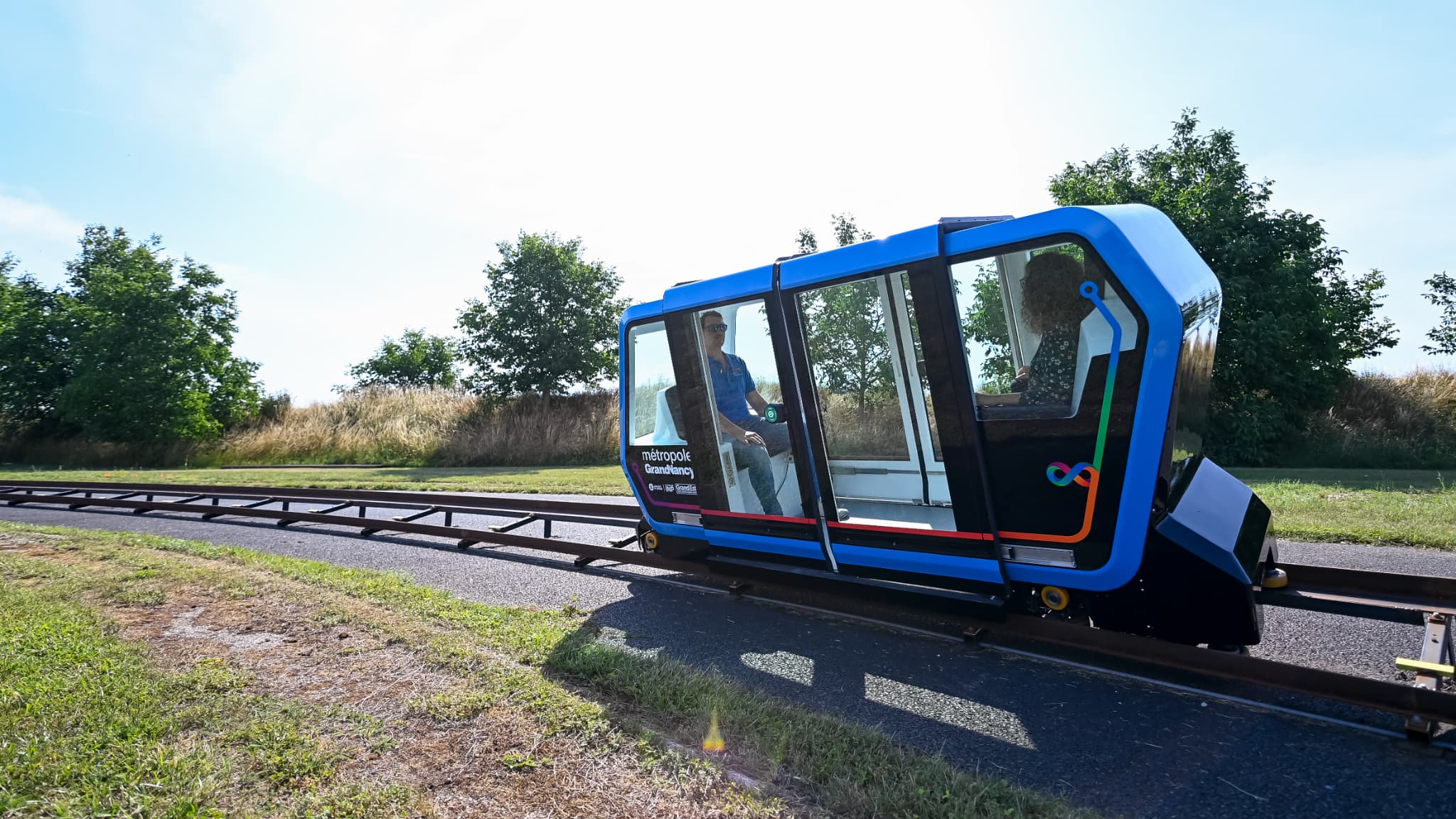
Urbanloop’s ultra-light, autonomous pods are moving from a high-profile demonstration to real deployments, bringing a new layer of smart mobility to cities of different sizes. After proving their reliability and energy frugality in Paris, the French-born system is set to scale in Nancy, Dunkirk, and even Abu Dhabi.
From Olympic pilot to day-to-day service
Developed by four engineering schools in Nancy, the system carried more than 30,000 passengers during the Paris Games, linking a park-and-ride at Saint-Quentin-en-Yvelines to the fan zone over a two-kilometer loop. The pilot validated the concept’s throughput, comfort, and safety for short urban trips.
Nancy has now ordered a seven-kilometer corridor connecting a peripheral P+R to the city center, for €14 million and a 2027 launch. The project aims to reduce traffic on feeder routes and complement existing buses and trams, rather than compete with heavy systems.
How the pods work
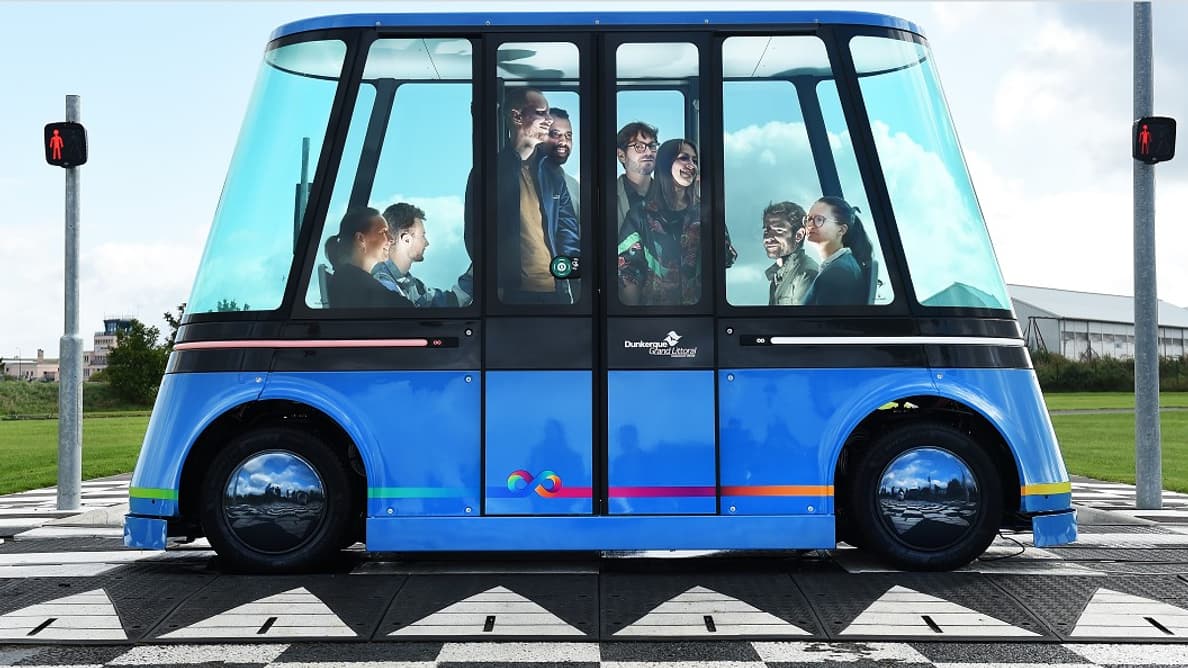
Urbanloop pods are compact—about four meters long and one meter wide—with modular interiors for 4 to 12 passengers. Top speeds reach 50 km/h, tuned for short hops between sites, campuses, or airport terminals where convenience, frequency, and cost matter most.
Instead of onboard batteries, the pods draw ultra-low-voltage power from rails, yielding a remarkable 0.47 Wh/km/passenger—roughly 100 times less than a typical electric car. Fleet movement is orchestrated by AI algorithms that decide routes, modulate speed, and balance demand across interconnected loops.
- Capacity: roughly 300–3,000 p/h, with a headway down to 15 seconds per pod.
- Speed and comfort: up to 50 km/h on dedicated, smooth guideways.
- Energy: about 0.47 Wh/km/passenger, with low-voltage supply via rails.
- Vehicles: 4–12 seats per pod; an 8-seat version is being showcased.
- Timeline: Nancy in 2027, Dunkirk in 2028, Abu Dhabi in 2026.
- Infrastructure: simplified to a single guidance rail after pilot feedback.
- Cost: typically between €1–4 million per km, well below tram benchmarks.
Why cities are interested
For mid-density corridors, Urbanloop offers lower costs and less disruption than rail-heavy alternatives. The infrastructure is lightweight, stations are compact, and construction can be phased, making it easier to align with budgets and planning cycles.
Use cases span airports, industrial parks, hospital campuses, and event venues—places that suffer from last-mile gaps. The system’s on-demand flexibility can reduce waiting, match fluctuating flows, and plug into existing transit networks without overbuilding.
“Trams can cost about €20 million per kilometer and move roughly 5,000 people per hour; Urbanloop costs between €1 and €4 million per kilometer and carries 2,000 to 3,000 people per hour,” said Noémie Bercoff, CEO, on BFM Business in March.
Nancy and Dunkirk take shape
In Nancy, the upcoming line aims to streamline access from a busy park-and-ride to the city core, lowering congestion and boosting retail and commuter mobility. The contract anchors Urbanloop’s first full metropolitan service in its home region.
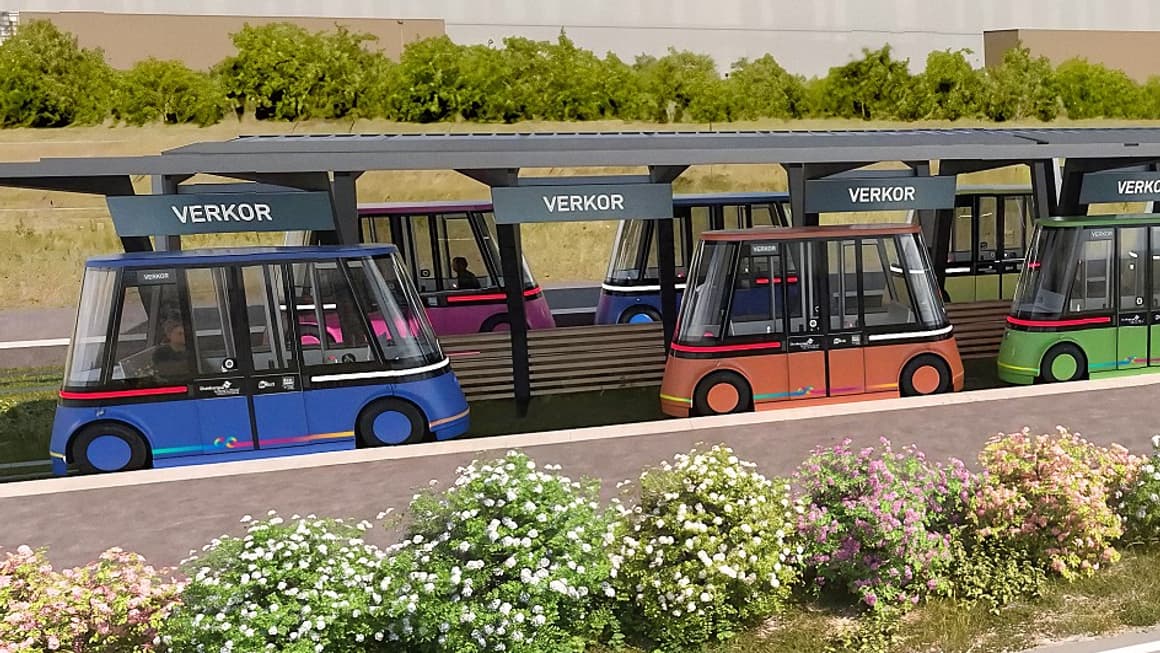
Dunkirk plans a roughly 10-kilometer loop, with an updated design that incorporates the single guidance rail and refined stations. The 8-seat vehicle will be unveiled locally at the end of September, with a target entry into service in 2028.
Abu Dhabi as a showcase
Abu Dhabi will host an 800-meter track with three stations, positioned as a high-visibility showcase for the region. The site will stress-test components against sand and heat, while demonstrating low-noise, low-energy operation in a premium setting.
The project is slated for 2026, and is expected to catalyze opportunities across campuses, waterfronts, and resort districts seeking elegant, low-footprint circulators.
What comes next
Urbanloop’s roadmap hinges on regulatory approvals, robust safety cases, and smooth integration with local ticketing and accessibility standards. The company reports an order book near €50 million, with dozens of studies underway across municipalities, airports, and industrial sites.
If rollouts meet performance and cost targets, the system could become a standard for short-haul connections that are too light for trams and too critical for buses alone. By trimming energy use and infrastructure, Urbanloop positions itself as a pragmatic, scalable, and distinctly French answer to the last-mile puzzle.