
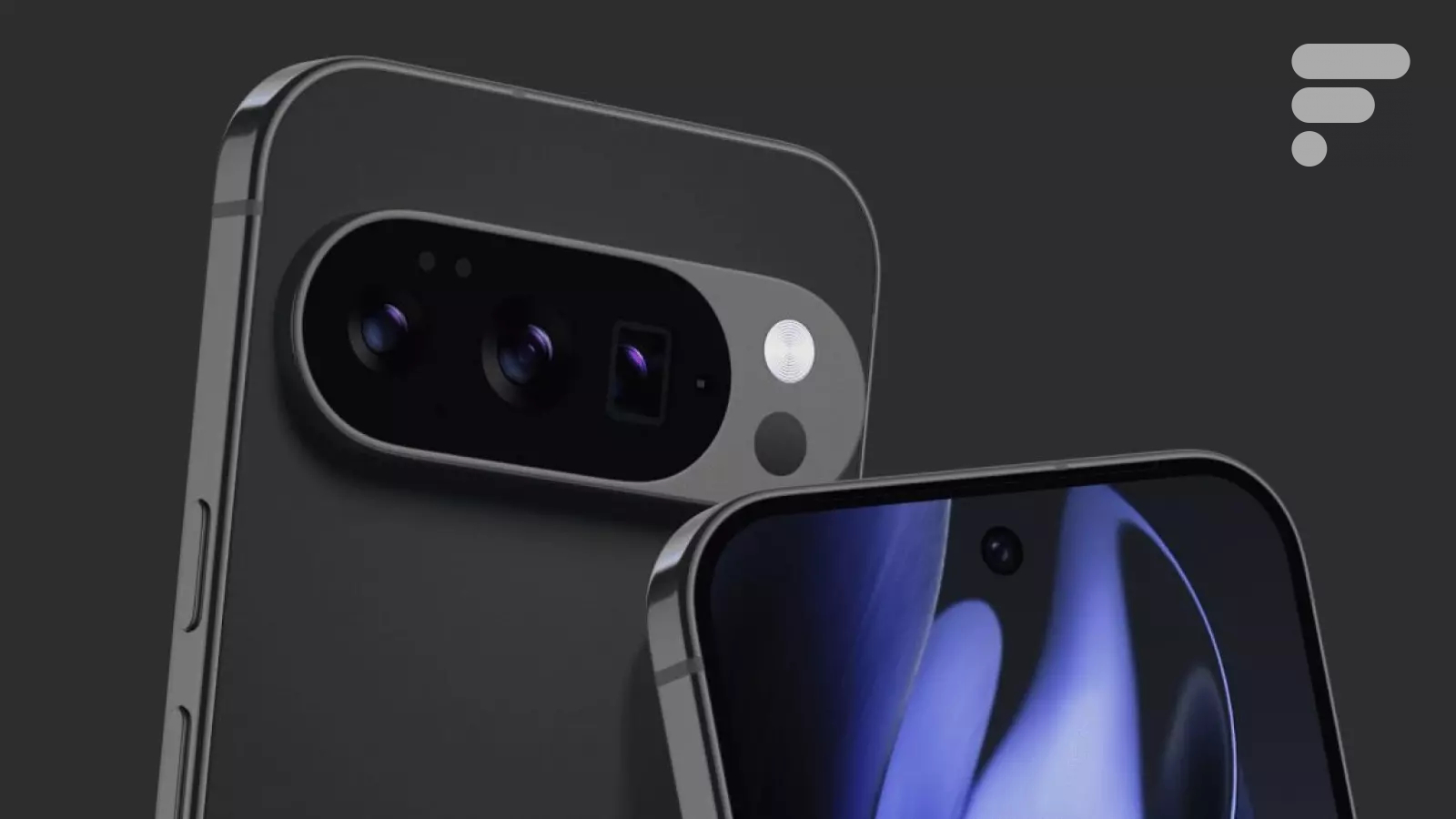
The next wave of Pixel phones is reportedly bringing a bold new approach to video, promising footage that stays steady and looks remarkably professional. Early reports suggest Google is targeting “gimbal-like” results, aiming to tame motion in ways that feel natural and impressively cinematic. If accurate, this could make the Pixel 10 family the most reliable pocket camera for everyday creators.
A new bar for phone stabilization
Rumors point to stabilization that rivals a dedicated gimbal, but with zero extra gear. For anyone who films while walking, running, or traveling, that could translate into footage that feels anchored yet remains vividly dynamic. Even small jitters from hand movements may be ironed out with a more refined and less “digital” look.
The breakthrough would matter most in low-light, where slow shutter speeds amplify every tiny twitch. Better motion control can keep frames crisp and reduce the mushy smearing that kills detail. In practice, that means city nights, concerts, and indoor scenes could look more stable without losing precious light.
How Google may pull it off
Insiders suggest this leap isn’t just software, but also deeper hardware. Expect upgraded optical stabilization—potentially enhanced OIS or a form of sensor-shift that physically moves the sensor to counter shake. The result is less reliance on aggressive cropping and fewer warpy artifacts around frame edges.
On top of that, Google’s next-gen Tensor G5 chip reportedly brings smarter, lower-latency processing. Advanced motion models could predict micro-movements and correct them in near real-time. The phone might blend optical moves with lightweight EIS, delivering a hybrid approach that feels surprisingly organic.
The goal is to keep subjects locked while preserving natural background parallax. Pans could look smoother without that over-damped, rubbery drag. Crucially, stabilization gains should hold across multiple lenses, not just the primary camera.
Real-world gains you’ll notice
- Smoother walking shots with more natural scene flow and less jelly-like wobble.
- Cleaner low-light clips with crisper detail and fewer smeared frames.
- More usable zoom footage that stays steady even at longer focal lengths.
- Faster recovery from bumps, with fewer abrupt corrections or horizon tilts.
- Reduced crop for stabilization, preserving wider framing and creative composition.
- Better compatibility with 4K60 or 4K120, maintaining stability at higher frame rates.
“This could be the first time a mainstream phone truly matches a handheld gimbal for everyday shooting—even in challenging, low-light conditions,” is how one early observer might reasonably summarize, given the current wave of credible reports.
Not the first attempt, but timing matters
Smartphone “gimbal” ideas aren’t entirely new, with past efforts from LG and Asus exploring multi-axis stabilization. The LG Wing in 2021 flirted with the concept, and Asus has touted six-axis systems on certain Zenfone models. What’s different now is the maturity of sensors, pipelines, and AI co-processors like Tensor G5.
Reports indicate the tech could roll out across the full Pixel 10 lineup, including standard, Pro, Pro XL, and Pro Fold. Hardware may largely mirror the Pixel 9 series, though the base Pixel 10 is tipped to add a telephoto. If stabilization scales across lenses, that tele lens could become a genuine handheld favorite for travel and events.
What to watch as launch nears
All eyes will be on how Google balances optics and algorithms without heavy-handed smoothing. Pros will look for minimal rolling-shutter skew and clean vertical lines during fast pans. Another tell will be how much the camera must crop, which affects the feel of every shot.
Heat and longevity are also real-world factors, especially for 4K60 and extended clips. Can the phone hold top-tier stabilization during long takes without throttling or sharp quality dips? Consistency—across time, lenses, and lighting—will decide whether this is a true daily-driver upgrade or a headline demo.
If the rumored August 20 reveal holds, with sales starting eight days later, we won’t have to wait long. Early samples should show whether Google’s “gimbal-like” promise is more than marketing, especially in dimly lit streets and fast-moving scenes. Should it deliver, casual shooters and mobile filmmakers alike may find their next phone doubles as a pocket rig—no extra hardware required.