
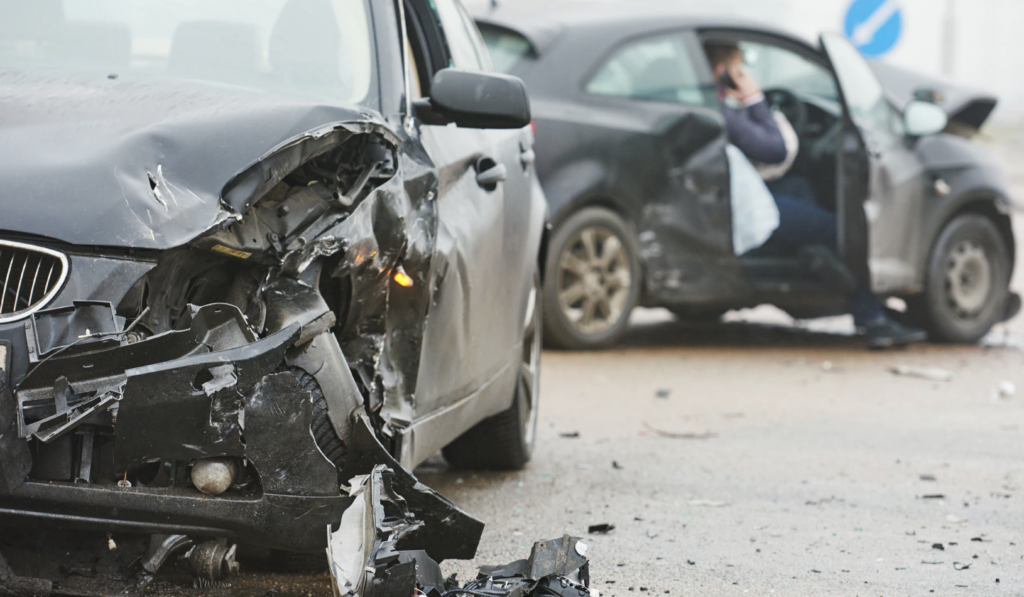
A new analysis of Harris County found that more than 14% of vehicles registered in the county are uninsured. The rise in premiums in Texas, along with factors such as ZIP code, credit history, and marital status, is leaving low- and middle-income drivers out of the market.
The cost of car insurance in Harris County has become a direct pressure on the daily lives of thousands of households. A new analysis found that more than 14% of vehicles registered in the county are uninsured, a proportion higher than the state average. At the Texas level, about 12% of car owners lack coverage, in a context where average premiums have risen more than 50% since 2022.
The weight of that increase does not fall equally on everyone. According to the report, social factors such as ZIP code, gender, credit score, and prior gaps in coverage are disproportionately influencing what each driver pays. In Texas, a person with poor credit can end up paying between three and three-and-a-half times more than another with excellent credit, even when their driving history is similar.
The monthly spending has already surpassed what many families can sustain
The Harris County-focused study found that participants in the focus group paid, on average, $238 per month per car, i.e., $2,856 per year. For those who also have a car loan, the combined burden already takes up too large a portion of the family budget: about 13% in auto payments and 10% in insurance. The report itself uses as a reference that affordable insurance should represent around 2% of the household’s monthly spending.
That imbalance is pushing many people out of the system. The report notes that seven of the participants, equivalent to 47%, said that at some point they had a car but stopped paying for insurance, and almost all indicated price as the main reason. The consequence is not abstract: in a place like Harris County, where a car remains essential for work, taking children to school, shopping, or going to medical appointments, being without coverage does not eliminate the need to drive.
The cost map changes depending on who you are and where you live
The analysis also documents that rates are not defined solely by crashes or fines. Among the factors that participants considered unfair are gender, credit score, age, marital status, ZIP code, and even accidents for which the person was not at fault. The combination of these variables is producing higher premiums in low-income communities and in areas with a high population of people of color.
In a previous Harris County study, Texas Appleseed had already identified areas where high premiums intersect with high levels of fines for not having insurance. That pattern appeared strongly in low- or very low-income ZIP codes, where more sanctions, more arrest warrants, and a greater share of residents of color were also concentrated. The new report adds testimonies that show how that cost is lived in practice: not as an inconvenience, but as a forced decision between coverage, rent, groceries, or transportation.
Staying uninsured increases financial and legal risk
Driving without insurance in Texas exposes you to fines, administrative penalties, and greater obstacles to rejoining a policy. The report and the testimonies collected describe precisely that cycle: the premium goes up, the person stops paying for a while, then tries to re-enter the market and finds rates still higher due to the lapse in coverage. That mechanism hits especially hard those who are already in tight economic circumstances.
The problem is not limited to isolated cases. If more than 14% of vehicles in Harris County are uninsured, the pressure ends up affecting the entire system. A market where too many people are left out of the basic coverage raises the financial exposure of other drivers, worsens minor crashes, and multiplies indirect costs for families that rely on the car every day.
Austin has already opened the door to a policy review
Auto insurance affordability has already begun to move onto the state agenda. Lieutenant Governor Dan Patrick tasked the Senate Committee on Business and Commerce with studying the rise in the cost of property and casualty insurance in Texas, reviewing market competitiveness, and proposing measures to increase affordability and strengthen consumer protection.
In the House, Dustin Burrows’s interim instructions go in a similar direction. The Insurance Committee was given the task of studying the factors driving up property and casualty insurance premiums, reviewing pricing trends, underwriting practices, market availability, and additional consumer protection mechanisms. That review explicitly includes the goal of identifying recommendations to lower costs without weakening market stability.
Harris County remains at the center of the debate
The local data place Harris County in a difficult position: it is an area where a car remains almost indispensable for a large portion of the population, but where the price of insurance is pushing more drivers out of the formal market. The result is a mix of economic vulnerability, legal exposure, and total reliance on private transportation.
The next step will be how that pressure translates into regulation. For now, the landscape is clear with the data available: Texas has seen more than a 50% jump in premiums since 2022, the state average of uninsured cars is around 12%, and in Harris County the level already exceeds 14%. In the midst of that scenario, many families continue to drive because they have no practical alternative, even though maintaining coverage has become increasingly difficult.