
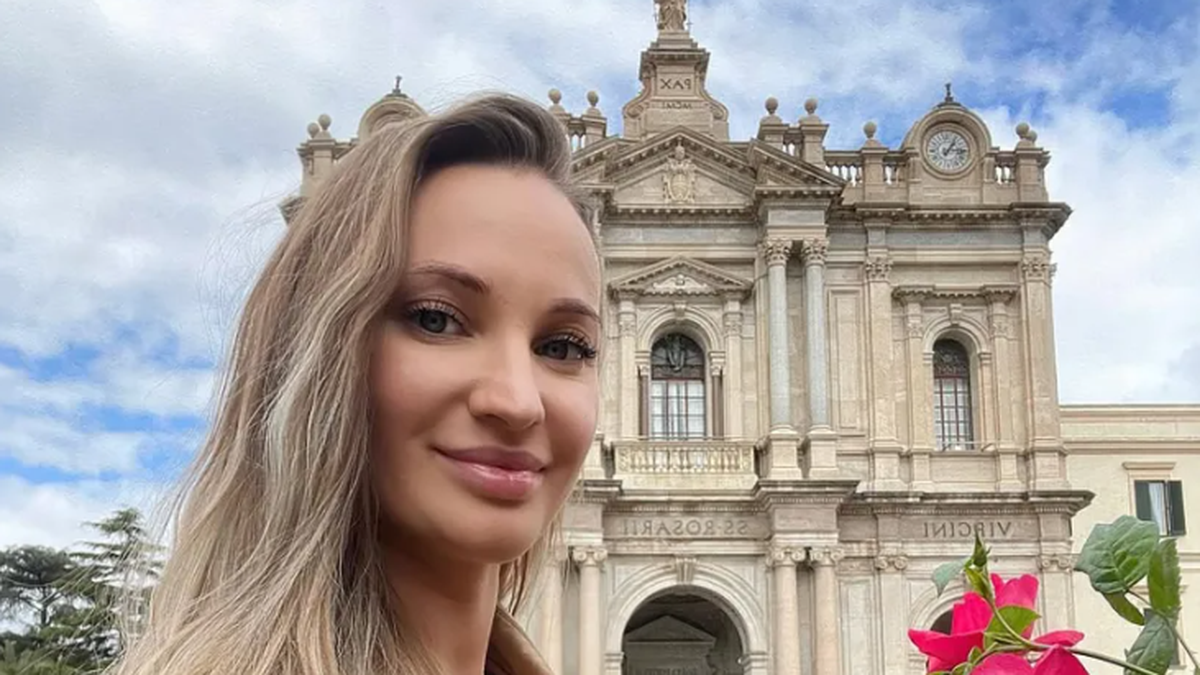
She was a familiar face to thousands, a creator whose life felt close to her audience. At 38, the Russian-born influencer Yulia Burtseva, who had been living in Italy, traveled to Moscow seeking a cosmetic transformation. Hours later, according to media reports, she was gone—her death linked to an anaphylactic reaction during a buttock lift.
A routine procedure turns tragic
The planned Brazilian butt lift—priced at roughly €4,800—was meant to be a controlled, elective procedure. Shortly after the initial injections, Burtseva reportedly suffered a rapid and violent reaction. What began as a pursuit of confidence ended in an unthinkable emergency.
Friends and followers had seen her earlier that day, smiling over coffee and sharing updates from the city. Those images now feel haunting, suspended in the ordinary moments before crisis. The contrast between ease and catastrophe is as stark as it is heartbreaking.
A sudden allergic storm
Preliminary findings suggest a severe anaphylactic shock—a rare but life-threatening hypersensitivity to medication. When anaphylaxis strikes, blood pressure can crash, airways can swell, and vital organs can be rapidly starved of oxygen. In such cases, speed is everything; minutes can separate survival from tragedy.
Specialists emphasize that even in controlled settings, unpredictable reactions can occur. Risk screening, allergy histories, and emergency protocols reduce danger but cannot erase it entirely. The shock here was reportedly immediate, underscoring how swiftly anaphylaxis can unfold.
Online shock and grief
Burtseva’s account, followed by around 70,000 people, became a gathering place for grief and disbelief. “Ten hours earlier she was smiling—how can this be real?” wrote one stunned follower. Another pleaded for caution: “These operations aren’t always worth the risk. My condolences to her family.”
The community’s response was a chorus of sorrow, mixed with fear and anger. Fans praised her warmth, her travel posts, and her candid humor. The parasocial intimacy of the internet, so immediate and intense, made the loss feel painfully personal.
Scrutiny on the clinic
Local investigators in Moscow opened an inquiry for alleged involuntary manslaughter, according to reports. Documents were seized from the clinic identified in coverage as Elmas, and forensic examinations are underway. Practitioners could face up to three years in prison if responsibility is legally established.
The clinic’s website reportedly promised leading techniques and minimized risk—language common in the aesthetics industry. Yet even the most modern facilities must prepare for low-probability, high-impact events. In the wake of this case, protocols, training, and documentation will face rigorous scrutiny.
Understanding anaphylaxis
Anaphylaxis is a medical emergency characterized by a swift, systemic reaction to a trigger—often a drug, food, or latex. Symptoms can include hives, facial swelling, wheezing, chest tightness, dizziness, and a sudden drop in blood pressure. The first-line treatment is promptly administered epinephrine, ideally via an auto-injector.
In hospital and clinic settings, preparedness is non-negotiable: staff must recognize signs fast and deliver life-saving care. Every second counts, and standardized algorithms help teams move without hesitation. The difference between delay and decisive action can be fatal.
What to do if anaphylaxis is suspected
- Call emergency services immediately and describe symptoms clearly.
- Administer epinephrine without delay if available, then seek urgent care.
- Lay the person flat with legs elevated unless breathing is difficult.
- Avoid food, drink, or new medications until assessed by professionals.
- After stabilization, arrange follow-up with an allergy specialist for testing and planning.
The pressures behind elective surgery
Influencer culture often magnifies ideals that can feel both inspiring and unforgiving. Aesthetic procedures promise swift change, but they also carry risks that are sometimes downplayed in glossy feeds. The line between self-expression and pressure can blur, especially under constant visibility.
None of this negates an adult’s right to choose, nor the genuine benefits many find in safe, ethical care. It does, however, call for sober counseling, robust safety checks, and transparent consent processes. Behind every before-and-after is a medical reality that deserves unvarnished attention.
A life remembered, and a stark reminder
By all accounts, Burtseva was curious, adventurous, and intensely present with her audience. Her passing leaves a silence where there was once constant conversation. The grief that ripples through her community is matched by the unsettling sense of “what if.”
“We assume routine means safe,” said one commentator, “but routine only reduces risk—it doesn’t erase it.” That insight, while difficult, is essential. In medicine, certainty is rare; vigilance, humility, and preparedness must be constant.
Her story presses the wider industry, regulators, and patients toward deeper care and sharper focus on the uncommon but catastrophic events that can occur. It invites a culture of informed choice, sober risk assessment, and emergency readiness at every step. Above all, it honors a life that was lived openly—and ended far too soon.