
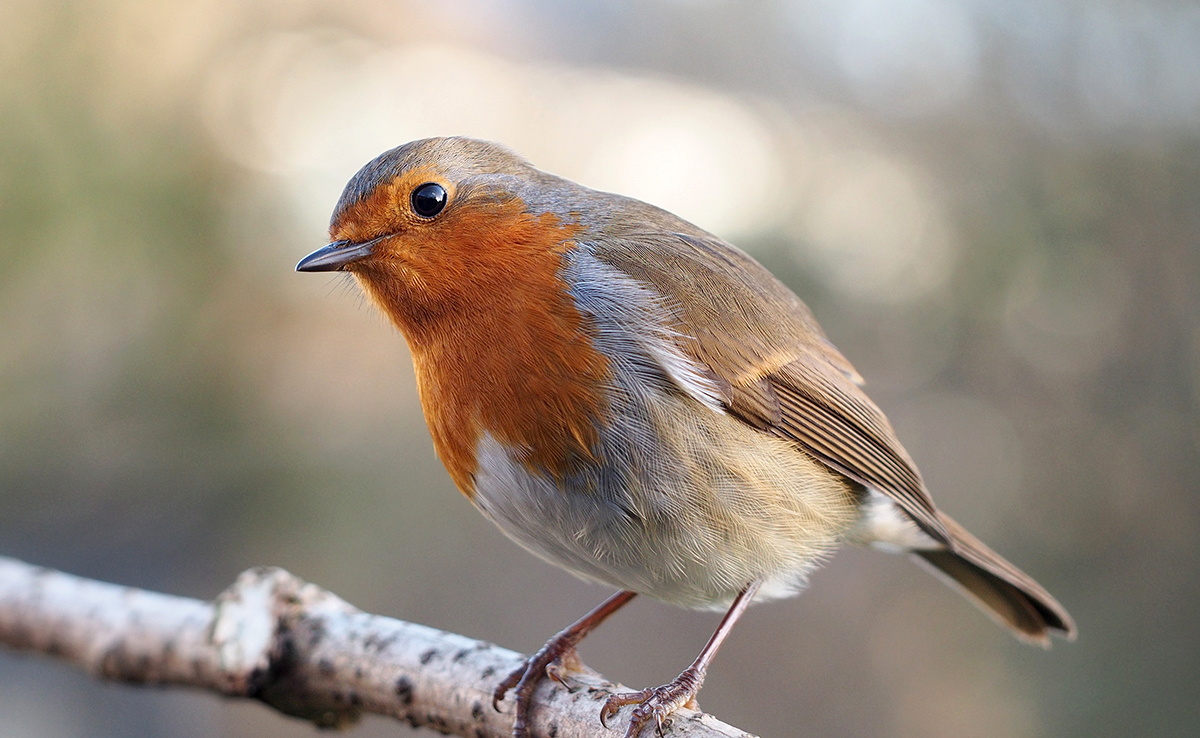
Small, round, and instantly recognisable by its bright orange chest, the European robin is one of the most familiar birds across gardens, parks, and forests, yet very few people realise just how harsh and unpredictable its life really is. Often associated with winter scenes and quiet companionship near humans, this tiny bird hides a survival story that is far more dramatic than its gentle appearance suggests.
So how long does a European robin actually live?
The answer surprises even seasoned birdwatchers.
The average lifespan is far shorter than most people think
Despite their confidence around humans, most European robins live less than two years in the wild. Studies show that a large proportion of robins die within their first year of life, often before they ever reach adulthood, due to predators, harsh winters, disease, or competition for territory.
In fact, juvenile mortality is extremely high, making survival past the first year the exception rather than the rule. This is why seeing a robin return to the same garden year after year is far rarer than it seems.
A wildlife researcher once summed it up clearly: “For every robin you see singing confidently in spring, many others never made it through their first winter.”
And yet… some robins live astonishingly long lives
While the average lifespan is short, the maximum recorded lifespan of a European robin is genuinely astonishing. Ringing data collected by ornithologists has documented individual robins living up to 19 years in the wild, an almost unimaginable age for such a small bird.
These exceptional cases are extremely rare, but they prove that under the right conditions, robins are capable of remarkable longevity. Stable territories, access to food, and avoidance of predators all play a decisive role in these extraordinary lifespans.
Why survival is such a constant battle
Robins are fiercely territorial, especially outside the breeding season, and this behaviour, while essential for survival, also exposes them to constant danger. Territorial disputes can lead to serious injury, and during winter, competition becomes even more intense as food sources shrink.
The main threats robins face include:
-
Predation by cats, birds of prey, and mammals
-
Starvation during cold winters
-
Collisions with windows and vehicles
-
Disease and parasites
-
Aggressive encounters with other robins
Every season brings a new challenge, which explains why so few individuals reach old age.
Why winter is the most dangerous season of all
Winter is the true test of survival for a European robin. Cold temperatures dramatically increase energy demands, while insects become scarce and daylight hours shorten, limiting feeding time. A single prolonged cold spell can wipe out a significant portion of the local population.
Ironically, this is also when robins are most visible to humans, often approaching gardens in search of food, which creates the illusion that they are thriving, when in reality they are fighting to survive.
Does living near humans help or hurt?
Human environments are a double-edged sword for robins. Gardens can provide reliable food sources, shelter, and fewer natural predators, increasing survival chances. At the same time, urban areas introduce new dangers such as cats, glass windows, and traffic.
Birds that manage to navigate these risks successfully are often the ones that reach unusually old ages, benefiting from stable food access combined with territorial control.
Why their short lives matter more than we realise
Understanding the true lifespan of a European robin changes how we see these birds. That confident individual singing from a fence post is not just a symbol of cheerfulness, but a rare survivor in a world that is stacked against it.
Each year of survival represents countless avoided dangers, successful winters, and defended territories. Their presence is not guaranteed, but earned.
A fragile life behind a familiar face
The next time a European robin appears in your garden, it is worth remembering that its life is far more precarious than it looks. While a lucky few may live for well over a decade, most will never reach their second birthday.
That contrast is what makes the robin so remarkable: a tiny bird capable of both extreme fragility and astonishing resilience, living on the edge of survival every single day, yet still finding the energy to sing.
