
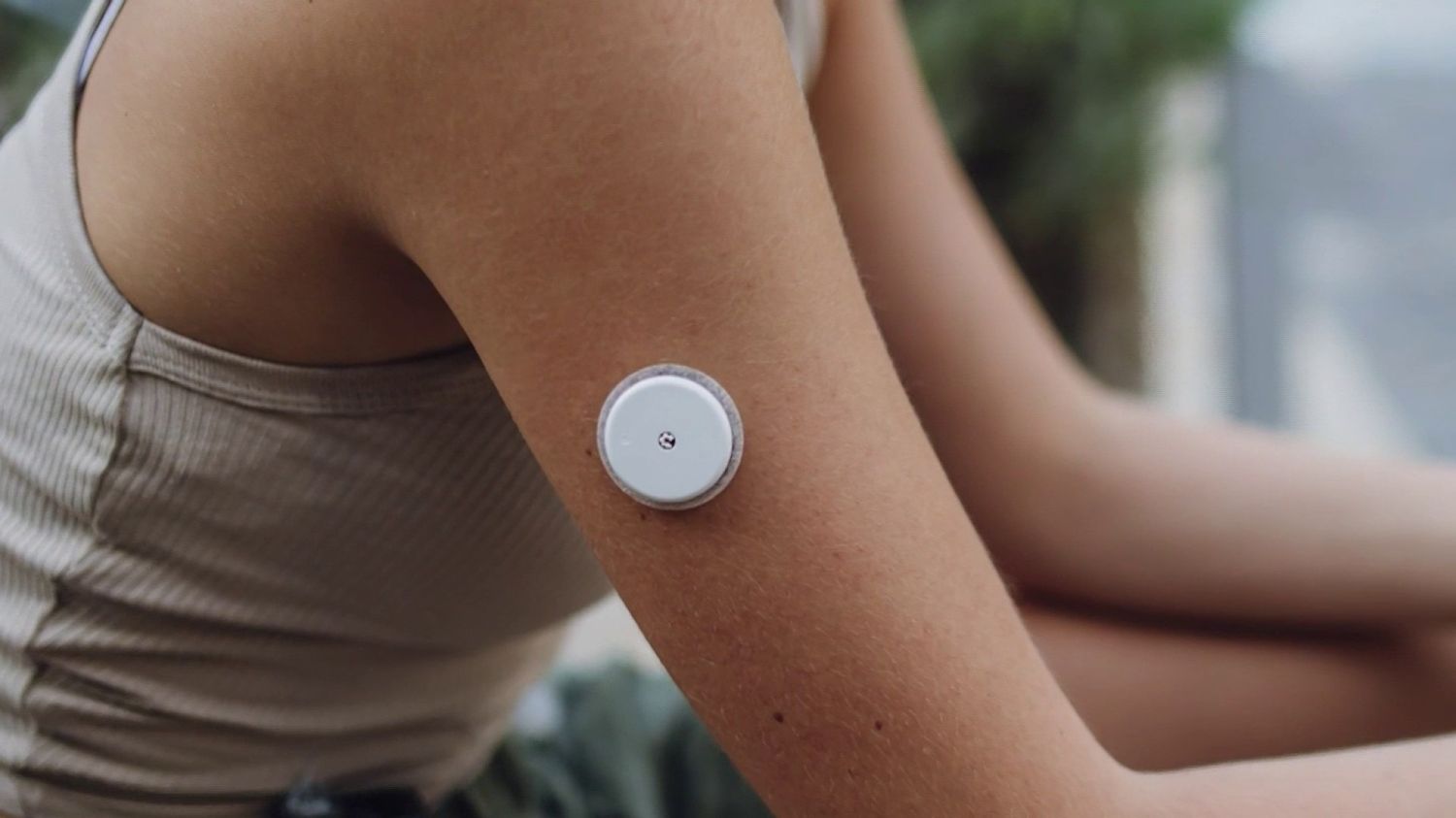
From medical lifeline to performance gadget
Once designed as a lifeline for people living with diabetes, continuous glucose monitors (CGMs) have migrated into locker rooms and endurance events. Armed with adhesive sensors, some athletes now watch interstitial glucose curves in real time and time their gels, drinks, or snacks with surgical precision. The promise is seductive: unprecedented metabolic visibility and smarter fueling. Yet behind the sleek apps and colorful dashboards lie questions about efficacy, ethics, and unintended consequences.
Why the trend exploded
Several forces made CGMs a fad beyond clinical need. Influencers and celebrity wellness gurus showcased sleek arm patches, framing them as biohacking tools that unlock energy, focus, and weight control. Pharmacies began stocking devices that, in some countries, are available without strict prescription barriers. The hardware looks simple, the interface feels friendly, and the data appear instantly actionable. For curious amateurs, forty euros for two weeks of tracking can feel like a modest investment in performance or metabolic literacy.
The promise, and what CGMs actually measure
A CGM samples glucose in the interstitial fluid, not directly in blood. That means readings can lag behind true blood glucose by several minutes, especially during high-intensity effort or rapid carbohydrate intake. For athletes, that delay can blur cause and effect, inviting premature carb top-ups or unnecessary restriction. The devices can show helpful patterns—like nocturnal lows or post-meal spikes—but turning those patterns into reliable performance decisions is far from trivial.
What the science says so far
Evidence that CGMs enhance performance in non-diabetic athletes remains thin and mixed. Small studies suggest some users adjust fueling more consistently, yet hard outcomes like faster times or greater power are not convincingly improved. “There’s still no robust proof that CGMs make healthy athletes significantly faster,” says a sports physician, noting that misinterpretation can be more harmful than helpful. In other words, cool graphs do not guarantee smarter racing.
Real-world drawbacks and inequities
The mainstreaming of CGMs can create real shortages, leaving people with diabetes scrambling for essential supplies. For them, a sensor is not a lifestyle accessory but a safety net that prevents dangerous hypoglycemia and hyperglycemia during everyday life. There are personal downsides for athletes too: skin irritation from adhesives, data anxiety, and the risk of chasing “perfect” glucose at the expense of adequate fueling. Overfixation can morph into disordered eating, especially when every spike feels like a failure.
What CGMs can and can’t do for athletes
- They can reveal individual responses to common meals and training loads.
- They cannot replace sound nutrition basics or proven fueling strategies.
- They can nudge better pre-session planning, but won’t fix poor sleep, under-recovery, or inadequate carbohydrate intake.
Interpreting the numbers responsibly
Context is everything when looking at a glucose trace. A rise during a hard interval can reflect appropriate carbohydrate availability, not dietary mistake. A dip after a long run may indicate depleted glycogen, not clinical hypoglycemia. Without expert guidance, athletes may overcorrect—over-eating to squash spikes, or under-fueling to keep the graph flat. Sustainable performance still rests on consistent carbohydrates, sufficient protein, and periodized training loads.
The regulatory and ethical landscape
Sports bodies vary in how they view CGMs in competition, with some federations restricting in-race use while allowing training experimentation. Even where permitted, teams must weigh fairness, privacy, and data ownership. Who controls an athlete’s biological data, how it is stored, and whether it influences selection are no longer hypothetical questions. The technology may be legal, but its cultural and ethical footprint is still being charted.
Smarter ways to fuel, with or without a sensor
For most healthy athletes, tried-and-true fueling beats shiny new hardware. Pre-session carb targets, race-day practice, and post-workout recovery habits are well-supported by decades of sports science. If an athlete experiments with a CGM, it should be time-limited, goal-oriented, and ideally supervised by a qualified sports dietitian or physician who can put numbers into proper context. The goal is not a perfect graph, but consistent energy, durable health, and repeatable performance.
The bottom line
CGMs are extraordinary medical devices that revolutionized diabetes care, and their athletic crossover was perhaps inevitable. But the leap from lifesaving tool to universal performance hack is not backed by strong evidence, and the collateral effects—supply pressure, data fixation, and misinformed fueling—are very real. Until clearer science emerges, athletes are better served by clear nutrition principles, careful experimentation, and respect for those who rely on these sensors for everyday safety.
