
A shocking chain of errors
An Italian woman endured four years of chemotherapy for a cancer that never existed, and the hospital has agreed to pay her €500,000 in compensation. According to coverage in Corriere della Sera and Le Parisien, the case exposes profound failures in diagnostic safeguards and patient protections. What began as a routine orthopedic visit in Volterra in 2006 spiraled into a life‑altering ordeal, marked by toxic treatments and deep psychological scars.
Doctors reportedly identified a terminal lymphoma, a cancer arising in the lymphatic system and affecting the intestines, after her hospital visit. That initial conclusion set in motion aggressive oncology care that would shape the next four years of her life. It also revealed how a single misreading can cascade through an entire system.
Years of treatment without disease
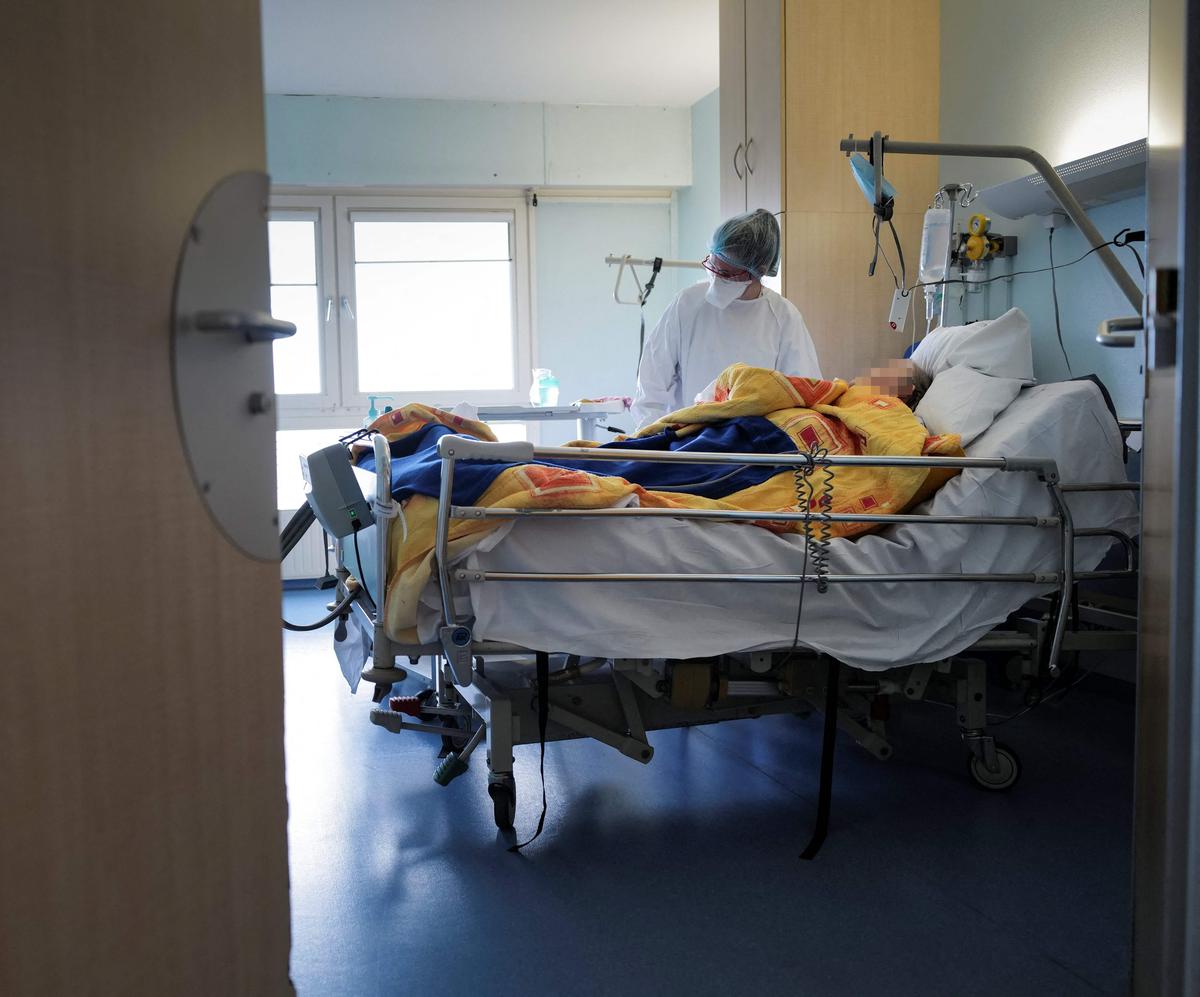
Transferred to the University Hospital of Pisa, the patient underwent high‑dose chemotherapy from January 2007 to May 2011. Over that period, she suffered severe side effects, including hormonal imbalance and episodes of depression. Each new cycle promised hope, yet compounded physical toxicity and emotional distress.
Friends and family watched as her daily routine was replaced by hospital infusions, lab draws, and constant monitoring. The treatment plan—built on the authority of a cancer label—left little room for doubt, and the human cost only grew.
The revelation that changed everything
The turning point came when a control biopsy at another facility found no evidence of lymphoma. In May 2011, the Department of Internal Medicine and Medical Specialties in Genoa confirmed she had no prior malignancy at all. In other words, the presumed cancer never existed, and the chemotherapy had been both unnecessary and harmful.
The discovery was devastating and liberating at once. It ended the medical odyssey, but it also forced a reckoning with years of invasive care, lost time, and eroded trust. As one reflection puts it, “No sum can truly compensate for years lived under the shadow of a diagnosis that never was.”
Accountability and redress
The hospital’s agreement to pay €500,000 represents an acknowledgment of serious error and the damage inflicted on a healthy person. Compensation of this kind typically addresses pain and suffering, prolonged treatment harms, and the economic impact of a derailed life. While money cannot reverse bodily toxicity or psychological fallout, it signals that institutions must answer for failures of care.
Legal experts note that such cases often hinge on the chain of diagnosis: pathology interpretation, documentation, and informed consent. When any one link breaks, the consequences can reverberate across years of treatment and trust.
Where systems break—and how to fix them
This case underscores the need for rigorous verification before life‑altering therapies begin. Simple, structured safeguards can prevent diagnostic drift and cognitive bias from hardening into error. Key measures include:
- Mandatory second‑read pathology by an independent specialist before initiating systemic therapy
- Multidisciplinary tumor boards that scrutinize discordant clinical and lab findings
- Clear documentation of diagnostic criteria and explicit uncertainty flags in the record
- Automatic triggers for repeat biopsy when imaging and histology conflict
- Standardized communication checklists for results disclosure and informed consent
When teams slow down to verify the starting assumptions, they protect patients from harm and clinicians from preventable mistakes.
The human toll behind the headlines
Beyond medical charts, the human burden is immense. Years of high‑dose chemotherapy leave lingering fatigue, fertility concerns, and endocrine disruptions. The emotional load—fear, anticipatory grief, and treatment trauma—does not vanish with a reversed diagnosis.
Trust, once fractured, is hard to restore. The patient must relearn how to hear medical advice, how to weigh uncertainty, and how to navigate a system that once failed her so completely. Recovery, in such cases, is as much psychological as it is physical.
Lessons for patients and clinicians
For patients, one practical lesson stands out: when a diagnosis carries life‑changing implications, seek a second opinion, especially on the pathology. Ask whether expert subspecialty review has been performed, whether results are concordant across tests, and what alternative explanations might fit the data. Clinicians, likewise, should normalize second opinions as a quality measure—not an affront to professional judgment.
Healthcare systems must make it easy to question assumptions and to pause before delivering toxic therapies. Safety is rarely the product of heroic individuals; it is built into routines, checklists, and cultural habits that reward thoughtful verification.
A cautionary reminder
This story is not an indictment of a single hospital, but a warning about how complex care can go wrong when certainty is assumed rather than earned. It calls for humility in medicine, sharper safeguards, and the courage to double‑check what seems obvious. The €500,000 payment is a start, but the deeper remedy is a system where fewer patients ever need such redress, and more diagnoses are right the first time.
