
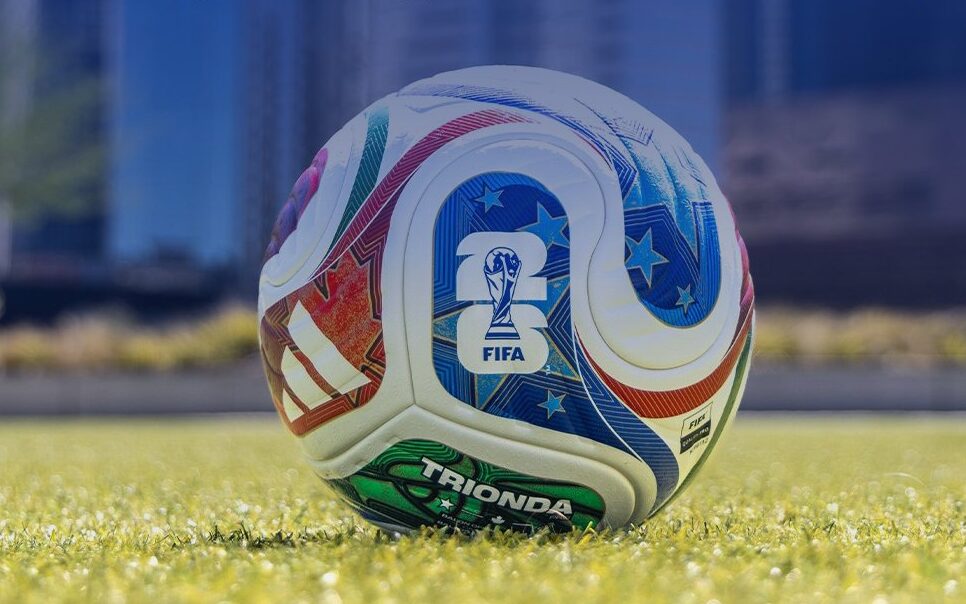
The FBI warned that fake sites imitating FIFA pages seek to obtain fans’ personal and banking data ahead of the 2026 World Cup, which will feature matches in Houston and other North American cities.
The Federal Bureau of Investigation (FBI) warned soccer fans about fake websites that imitate FIFA pages ahead of the 2026 World Cup, scheduled for June and July in Houston and other North American cities.
The agency issued a public service announcement to warn about a cyber threat related to fraudulent pages that use the word “FIFA” in their web addresses. According to the FBI, these sites aim to deceive people attempting to buy tickets, hospitality packages, or other World Cup-related services.
The FBI stated that a list of known fake sites is available on its Internet Crime Complaint Center, though it warned that there are likely more fraudulent addresses active.
The fake sites seek personal and banking data
According to the FBI, those behind these pages create sites that appear legitimate by making small changes to official domains. The goal is for users to enter personal information without realizing they are on a fraudulent page.
The agency noted that these sites can collect names, addresses, phone numbers, email addresses, and banking information. In many cases, the pages offer fake World Cup tickets or hospitality-related services.
The risk increases when fans search for tickets online and land on pages that seem official. The FBI recommends typing the address directly as “fifa.com” into the browser, rather than accessing unverified links.
The agency also recommended avoiding links labeled as “sponsored” in search engines such as Google, Bing, or Yahoo when searching for FIFA-related tickets or services.
The fake sites use minimal changes to web addresses
The FBI explained that some fraudulent pages imitate legitimate addresses by making only minor typos or domain changes. They may also use different extensions, such as “.org” instead of “.com,” to look close to an official site.
This technique is known as typo squatting. The attack relies on common mistakes when typing a web address or on the user not carefully reviewing the domain before entering personal data.
In the context of the 2026 World Cup, a fake page may present itself as a ticket-selling site, a fan travel package platform, or a hospitality service. The appearance of these pages can be enough to confuse users seeking quick information about matches, prices, or availability.
The FBI asked the public to carefully review any web address before providing personal or banking information. The main recommendation is to confirm that the domain corresponds to FIFA’s official site.
Houston will be one of the World Cup 2026 host cities
The alert has local relevance because Houston will be one of the host cities for the 2026 World Cup. The tournament will be played in June and July at several North American venues.
The excitement for the matches can drive more online searches for tickets, lodging, travel packages, and activities related to the tournament. That interest can also be exploited by fraudulent pages that seek to capture fans’ information.
For readers in Houston, the FBI warning serves as a practical guide before buying tickets or World Cup-related services. The agency recommends using official channels and being wary of sites that promise access, packages, or tickets without clear verification.
To validate ticket purchases, the recommendation is to buy them directly on FIFA’s website. The FBI did not state that all World Cup-related sites are fraudulent, but urged careful review of web addresses and avoidance of suspicious links.
Fake sites can be reported to the FBI
Fake sites that imitate FIFA pages can be reported through the FBI’s Internet Crime Complaint Center.
Before making a purchase, fans should confirm they are on FIFA’s official site, review the full page address, and avoid entering personal or banking information on sites that cannot be verified.
The FBI recommended not relying on sponsored ads in search engines to access World Cup-related services. The agency also cautioned about web addresses that include small changes, typos, or domains different from the official one.
The warning was issued ahead of the 2026 World Cup, which will take place in June and July with Houston among the host cities.