
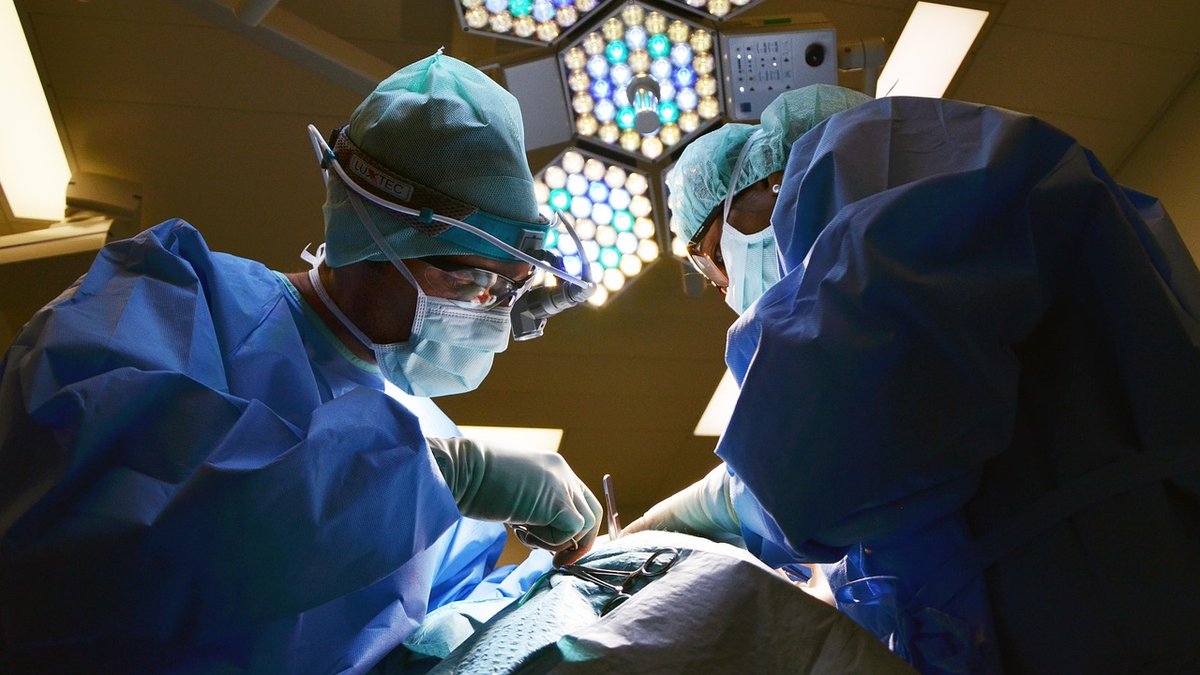
A colleague’s discovery inside an operating theatre has ignited a debate about professional boundaries, patient safety, and trust in healthcare. A hospital anaesthetist at Tameside Hospital in Ashton-under-Lyne, Greater Manchester, reportedly left his patient under anaesthesia for a brief “break” and was found in a compromising situation with a nurse. The incident, flagged to the medical regulator, raises difficult questions even as the patient suffered no apparent harm.
An alarming scene behind closed doors
According to accounts cited by the Mirror, the episode unfolded in a separate room within the surgical suite. A colleague entered unexpectedly and encountered the pair in a position she described as compromising, prompting her to leave immediately and notify superiors. The anaesthetist returned to his patient roughly eight minutes later, and subsequent checks reportedly found no adverse outcome.
The encounter was not only personally indiscreet, but professionally precarious given the obligations tied to continuous patient monitoring. In theatre, every minute is meant to be a minute of unbroken vigilance, particularly when a patient is unconscious and reliant on the care team’s constant attention.
Eight minutes that should never have happened
Before stepping away, the anaesthetist had asked another nurse to watch the patient “mid-procedure,” effectively delegating active oversight. While short handovers can be operationally necessary, deliberate breaks for non-clinical reasons during anaesthesia cross a crucial line. The colleague who entered reported seeing the nurse with “pants around her knees and in underwear,” the Mirror said, a detail that added shock to the professional concern.
“I saw my colleague with her pants around her knees and in underwear.” This single line, attributed by the Mirror to a witnessing nurse, captures the unsettling gap between what patients expect and what allegedly occurred.
Why uninterrupted supervision matters
Anaesthesia is a state of planned, reversible vulnerability, requiring continuous, expert observation. Even if monitors show stable vitals, the anaesthetist’s uninterrupted presence supports rapid recognition of subtle changes—oxygenation, airway patency, and depth of anaesthesia among them. Delegation is possible, but it must be structured, documented, and justified by clinical needs, not personal desires.
In this case, there was reportedly “no prejudice” to the patient, a crucial point that tempers immediate clinical alarm. Still, the absence itself becomes the issue, because safety standards hinge on preventing the rare but catastrophic events that demand instant, informed intervention.
Core safeguards during anaesthesia
- Continuous, documented presence of a qualified anaesthesia provider at the bedside.
- Formal handover with clear responsibility when brief relief is clinically necessary.
- Real-time monitoring of oxygenation, ventilation, circulation, and depth of anaesthesia.
- Escalation protocols and immediate availability of the primary anaesthetist.
- Professional conduct policies that bar sexual activity anywhere near patient care.
These measures are not bureaucratic hurdles, but guardrails that protect patients when they are least able to protect themselves.
Professional boundaries and consent
Beyond the patient-safety dimension lies a deeper breach of professional ethics. Hospitals are spaces of implicit trust, where staff are expected to subordinate personal impulses to the sanctity of patient care. Sexual activity within the operating department—no matter how brief or “consensual” between adults—violates that trust and risks contaminating the entire culture of safety.
Such conduct also raises questions about power dynamics, workplace culture, and whether staff feel empowered to report or interrupt problematic behaviour. The colleague who backed out and escalated the concern modelled the kind of swift, quiet action that protects patients and the wider team.
Potential consequences and accountability
Incidents like this typically trigger internal investigations, safeguarding reviews, and possible referral to the General Medical Council or nursing regulators. Outcomes can range from formal warnings to suspension, mandated retraining, or removal from clinical duties. Employers may also audit staffing, supervision, and access controls across the operating suite.
Any public statement from the hospital will likely emphasise that the patient suffered no harm, that standards were nonetheless breached, and that steps are underway to prevent recurrence through strengthened policies, education, and oversight.
Rebuilding trust without minimising the breach
Most patients never witness the disciplined routines that make surgery and anaesthesia safe. They assume, rightly, that focus and professionalism are non-negotiable norms. When even a short lapse surfaces, it feels like a structural failure, not a private indiscretion. The way forward is transparency about what occurred, firmness about consequences, and tangible commitments to continuous supervision.
Tameside Hospital, like every NHS trust, operates under intense public scrutiny, and rightly so when patients are involved. The fact that no physical harm was reported is a relief—but it cannot be the threshold for acceptable conduct. The standard must remain: continuous, conscientious care, zero tolerance for sexual activity in clinical areas, and an environment where colleagues can intervene without fear or delay.
When a patient is asleep on the table, the duty is ironclad: no distractions, no detours, no “breaks” that eclipse the core obligation of uninterrupted care. In that promise lies the real meaning of professional trust.
