
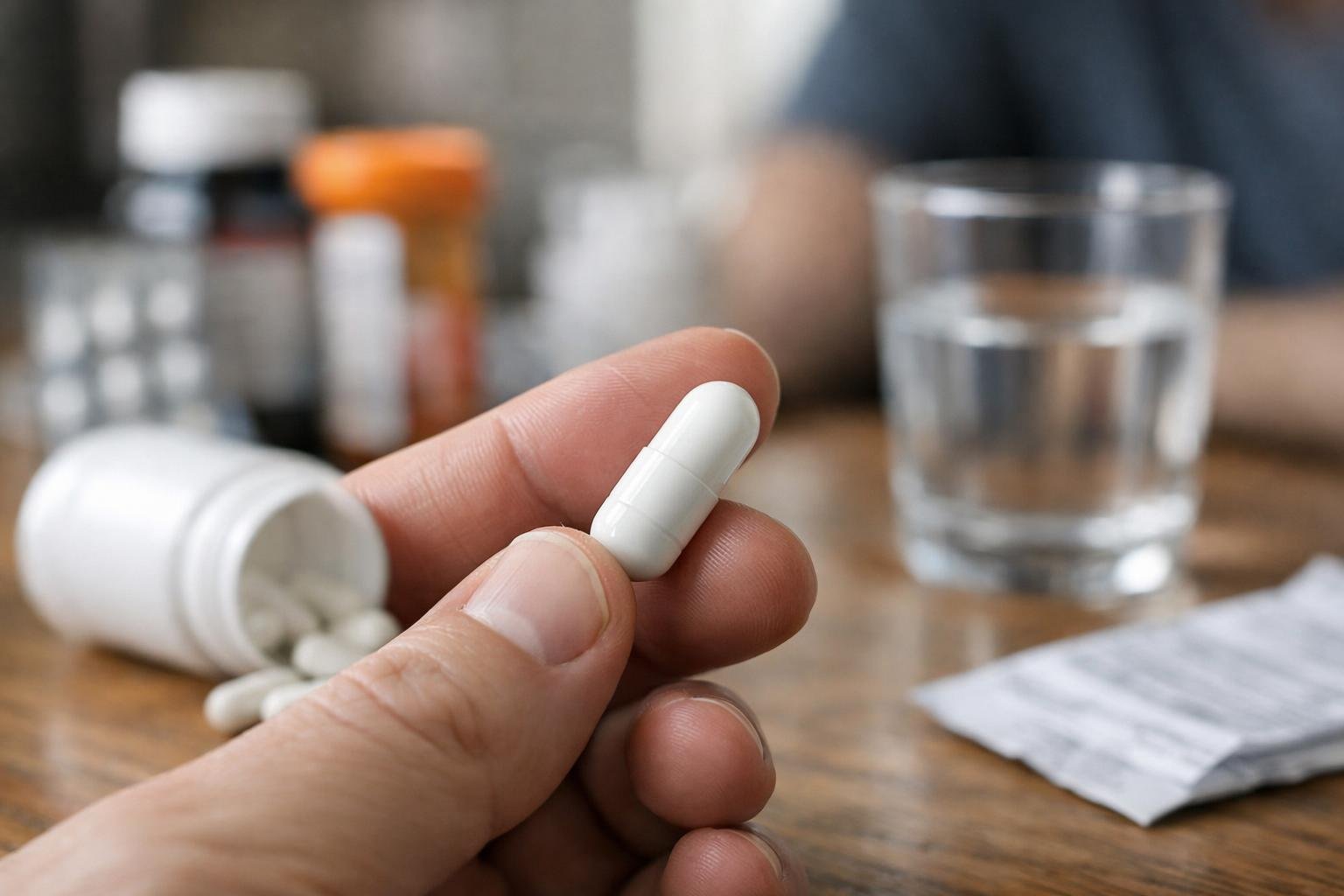
Pharmacy shelves feel like a promise: quick fixes in friendly colors. But hidden in that glow is a small, shiny trap. It’s the so‑called silver supplement, often sold as a simple, over‑the‑counter pill. The pitch sounds elegant. The reality can be permanent.
Meet the “silver” pill
These capsules contain colloidal or ionic silver, sometimes labeled “nano‑silver” or “argentum.” Marketers claim broad immune support and fast relief. The science says otherwise. There is no proven benefit for colds, flu, or infections. As one clinician quips, “Your blood isn’t a jewelry box.”
Why one swallow is a bad idea
Silver can deposit in your tissues and skin. That condition is called argyria, and it can turn skin a slate‑blue, sometimes for life. “Permanent means permanent,” warn toxicologists. The pill may also stress your liver and kidneys, irritate your gut, and disrupt nerves. It can interact with medicines like antibiotics and thyroxine. And no, the dose on the label doesn’t make it safe. Products are poorly standardized. What’s inside the capsule often isn’t what you think.
“Natural” isn’t a safety badge
Silver feels ancient and elemental. But so do arsenic and mercury. “Natural” is a marketing word, not a safety profile. The body has no use for ingested silver. It isn’t a vitamin, a mineral you need, or a nutrient you’re missing. Once inside, your body can’t simply “flush” it away.
The regulatory blind spot
Dietary supplements don’t face the same pre‑market testing as drugs. Labels may claim “not evaluated by the FDA.” That isn’t a wink; it’s a warning. Quality varies wildly. Contamination happens. Potency is a guess. You wouldn’t accept mystery doses in a prescription bottle. Don’t accept them here.
The myths that keep it selling
“You can’t overdose on something so mild.” False. “Topical silver works, so swallowing it must help.” Also false. Approved medical dressings with silver are designed for controlled, external use on wounds. The gut is not a wound. Your bloodstream is not a sink for disinfectants.
If you’re trying to boost immunity
Skip the glitter and go for boring, proven basics. They’re not flashy, but they work better than hype:
– Vaccination on schedule, adequate sleep, regular exercise, balanced nutrition, hand hygiene, stress management, and following clinician‑advised treatments when sick.
Red flags on the label
Watch for words like “colloidal,” “ionic,” “nano,” “silver,” “argentum,” “AG,” or claims to “kill 650 pathogens.” That number is marketing lore, not evidence. Be wary of vague promises: “supports immunity,” “supercharges wellness,” “fights everything.” Real medicine names real outcomes.
Who faces even higher risks
Pregnant people, children, older adults, and anyone with thyroid, kidney, or liver disease are in the danger lane. So are folks on antibiotics, levothyroxine, or multiple meds. “Stacking” supplements only stacks uncertainty. When risk is permanent and benefit is unproven, the math is simple.
What to do instead of rolling the dice
For a cold, aim for targeted comfort: saline sprays, warm fluids, honey for cough in adults, rest, and time. For skin issues, ask about approved topical options. For recurrent infections, pursue a diagnosis, not a shortcut. “Treat the cause, not the marketing.”
How this slips into carts
The packaging feels clinical. The testimonials feel human. The words feel scientific. But a lab‑coat font isn’t a clinical trial. “Looks like medicine” is not the same as evidence. When uncertainty is this big, the safest dose is zero.
A simple rule, and a kinder one
Your body is not a chemistry set for experiments with heavy metals. Choose interventions with clear benefits and known margins of safety. Build habits that quietly compound. Save your money, your skin tone, and your organs the trouble.
One more note. If a clinician suggested silver for a specific situation, ask precise questions: what form, what evidence, what dose, how long, and what monitoring. Then request an alternative with data behind it. Good care welcomes scrutiny. As one pharmacist told me, “The best supplement is the one you don’t need because your plan already works.”
Bottom line: the shiny pill isn’t a shortcut. It’s a detour with no map, and some roads you can’t backtrack. For your health, and for the long term, leave the silver where it belongs—outside your body.
This article is for general information only and not a substitute for professional medical advice. If you’ve taken a silver product, or have symptoms like gray‑blue skin changes, speak to a qualified clinician promptly.
