
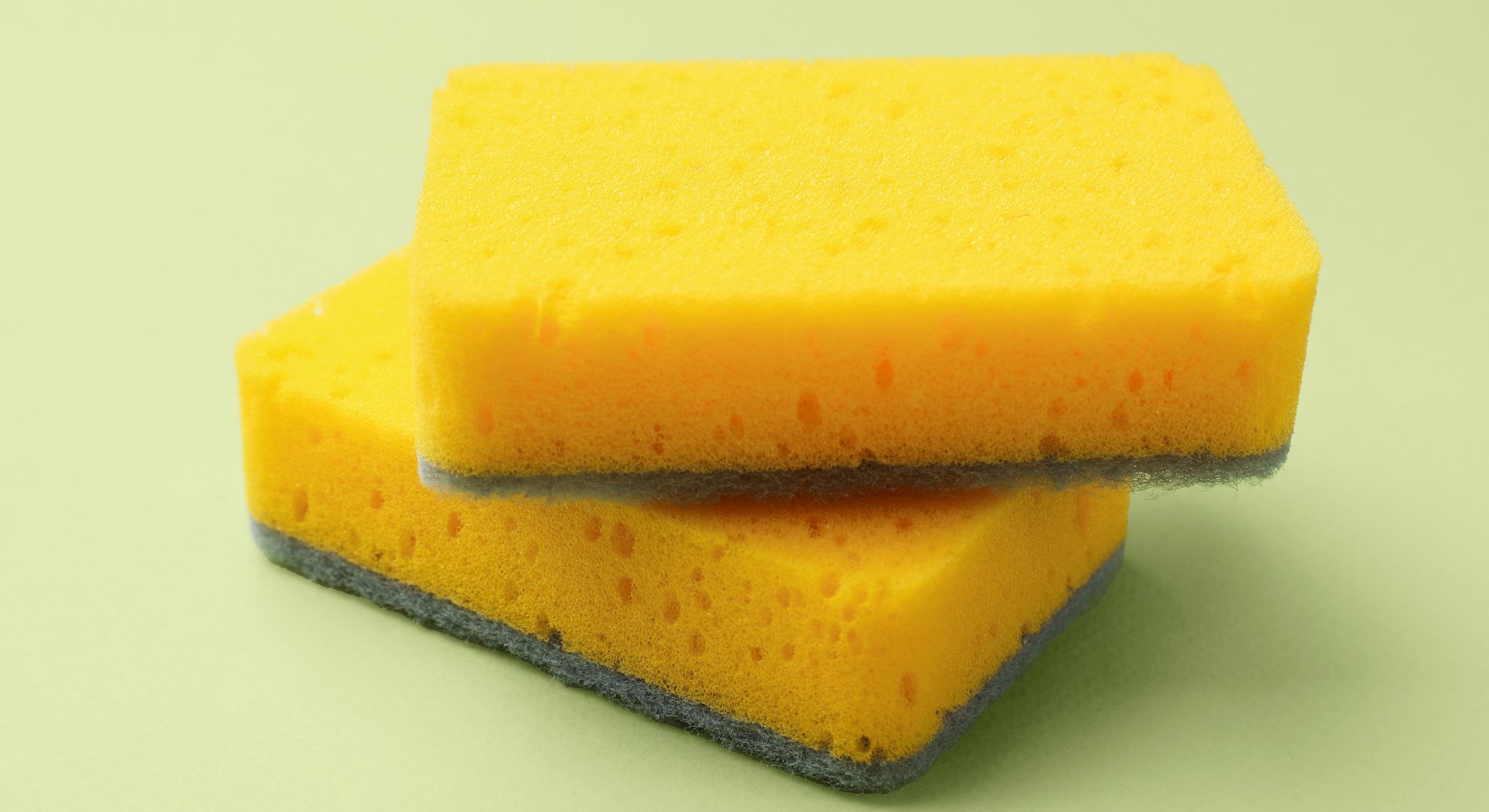
It sits by the sink, looks harmless, and smells faintly of lemon, yet it’s one of the germiest items in the entire home. Microbiologists have long warned that a perpetually damp scrubber can out-germ even the porcelain throne. The real shock isn’t that it’s dirty; it’s how stubbornly those microbes hold on once they’ve found their cozy niche.
“Think of it as a tiny, porous reef where bacteria can settle, feed, and hide,” one microbiologist told me, underscoring how a routine wipe of a cutting board can turn into a silent transfer. We scrub, we rinse, we stash it by the faucet, and we repeat the same ritual tomorrow—often for far too long.
Why the household workhorse becomes a microbe hotel
A sponge is a perfect storm of conditions: warm water, trapped food, and endless crevices where cells can cling. Each pore is shelter from soap and rinsing, allowing microbes to build protective biofilms. Once those slimy fortresses form, ordinary washing has a hard time penetrating.
Kitchen counters dry quickly, but a sponge stays wet, providing a continual source of moisture that microbes absolutely love. “A wet, porous matrix is prime real estate for bacteria,” as one lab scientist put it with pointed simplicity.
Comparisons to toilet seats aren’t tabloid hype. The seat is smooth, usually dry, and cleaned with focused intent. A sponge is the opposite—rough, damp, and repeatedly seeded with raw residue. It’s not unusual for it to carry far more total microbes than that dreaded benchmark.
The usual suspects on a damp scrubber
The cast can include familiar names: strains of E. coli, Salmonella, Campylobacter, and Staphylococcus can all find temporary refuge. Moisture-loving Pseudomonas thrives in wet nooks, sometimes giving off that sour, “old dishwater” smell.
Most of these microbes don’t make you sick every time, but they boost the odds of cross-contamination to ready-to-eat foods. Think salads, fruit, or a clean plate that gets a quick “polish” with last night’s sponge. As one researcher quipped, “You can’t see risk, but you can definitely spread it.”
Most people wait far too long
Why do households hang on to a tired, gray scrubber? Habit, thrift, and a false belief that “it doesn’t smell, so it’s fine.” Odor is a late signal; by the time you notice it, microbial communities may be well established.
Another trap is the rinse-and-repeat myth. Hot water and soap make you feel safer, but they don’t reliably dismantle biofilms that shield cells. “Rinsing is theater,” a food-safety educator told me, “drying and replacing are the plot.”
Habits that actually help
Here’s the upside: a few simple shifts cut risk dramatically. You don’t need lab gear, just consistent habits.
- Replace your sponge every 1–2 weeks, sooner if it smells, frays, or stays slimy after rinsing.
- Keep separate tools for raw proteins and everything else, or use disposable towels for raw meat juices.
- After each use, rinse, wring hard, and let it dry in open air, not trapped under a wet plate.
- For periodic sanitizing, run it on a dishwasher’s sanitize cycle, or soak 5 minutes in a mild bleach solution (about 1 tablespoon per quart of water), then rinse and dry thoroughly.
- Be cautious with microwaving: only if fully soaked, no metallic pads attached, and under close watch to avoid scorching or fire.
- Consider faster-drying tools like scrub brushes, silicone pads, or cloths you can launder on hot and tumble dry.
These steps don’t make a sponge sterile, but they lower the daily load and reduce the chance you’ll move microbes from sink to salad. Combined with regular handwashing, they’re boring—but effective.
When in doubt, throw it out
You’ll know it’s time when the sponge resists drying, smells sour after cleaning, or feels slick with persistent film. Visible stains that reappear, ragged edges, or pieces flaking in the sink are also clear signals. If you hesitated even a second reading that list, you probably need a new one.
The economics are brutally simple: the cheapest item in your cleaning arsenal can cause the costliest mistake. A fresh scrubber costs cents, while a bout of foodborne illness extracts hours, days, and too much energy. “Your kitchen is a system,” a microbiologist reminded me, “and the dampest part sets the tone.”
Treat that small square like a consumable, not a permanent tool. Keep it drier, swap it more often, and don’t let routine lull you into a false sense of security. The quietest hazards in a kitchen are the ones that look familiar—and none is more familiar than the little pad by your sink.
