
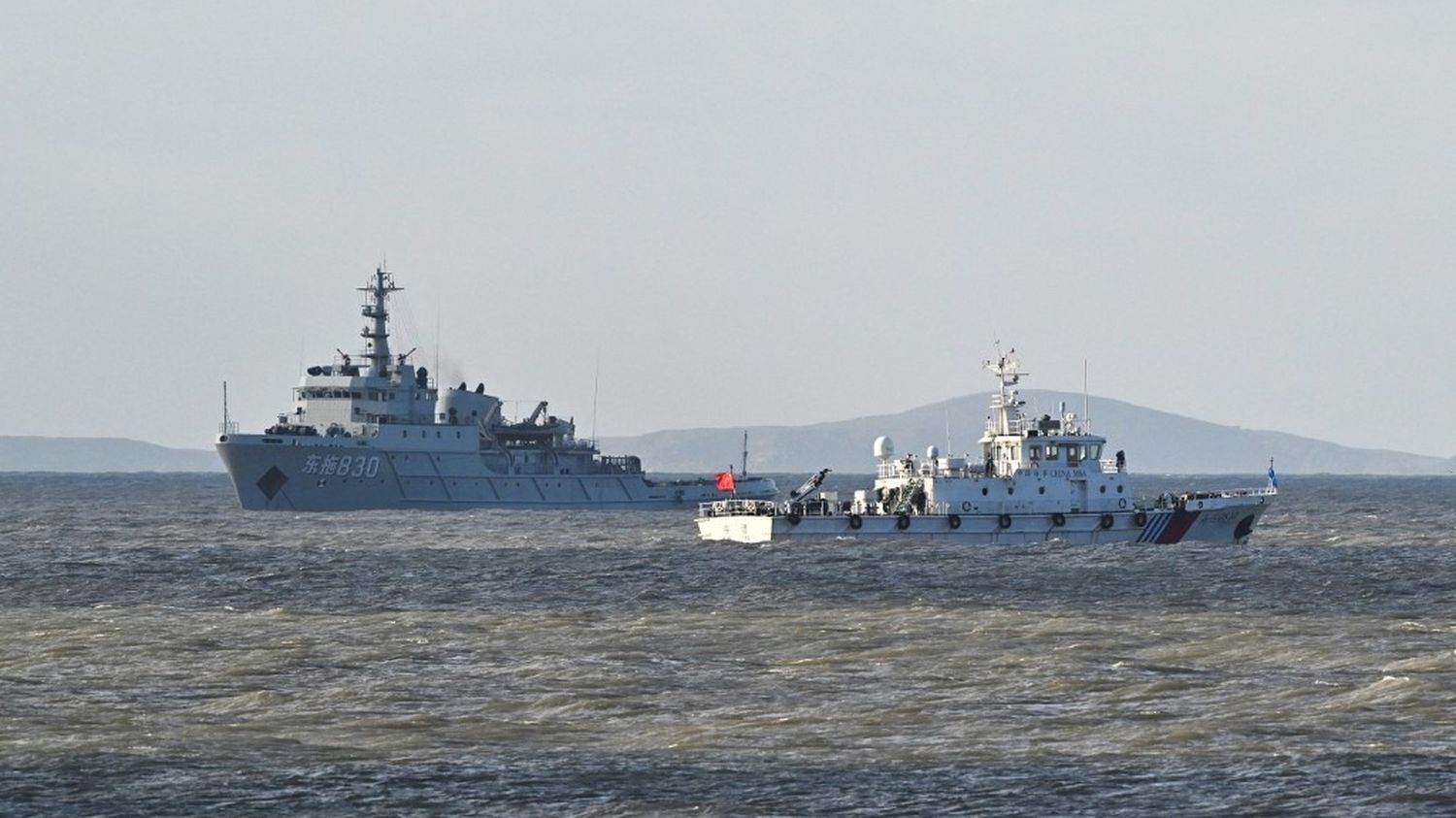
The United States warned that China’s latest military drills around Taiwan are an unnecessary escalation that further destabilizes the region. In a firm message released Thursday, Washington said Beijing’s actions have raised tensions without cause, urging a shift from coercion to dialogue.
Chinese vessels near Taiwan’s coast, December 30, 2025. (ADEK BERRY / AFP)
State Department calls for restraint
Washington’s statement framed Beijing’s posture as counterproductive to peace and stability, emphasizing the need for open lines of communication. The message underscored America’s commitment to a peaceful resolution and warned against intimidation tactics.
blockquote
“We urge Beijing to exercise restraint, cease its military pressure on Taiwan, and engage in constructive dialogue,” the State Department said.
blockquote
Officials argued that sustained pressure campaigns create risks of miscalculation and accidents, especially in crowded air and sea corridors. They added that diplomatic channels are essential to reduce friction and avoid spirals of escalation.
Drills simulating a blockade
China’s People’s Liberation Army announced it had successfully concluded exercises that encircled the island earlier this week. The maneuvers featured missile launches and the deployment of fighter aircraft, warships, and coast guard vessels across multiple axes.
Beijing described the drills as simulations of a blockade targeting strategic ports and maritime infrastructure, as well as strikes on sea-based targets. The operations were clearly choreographed to showcase reach and readiness, signaling costs for any moves toward formal independence.
Beijing’s message and next steps
A PLA spokesperson, Li Xi, said forces would continue training to counter “separatist” activity and external interference. The tone suggested a sustained tempo of operations designed to harden deterrence and shape narratives at home and abroad.
President Xi Jinping reinforced the line by calling national “reunification” unstoppable, framing the issue as a core sovereign priority. That framing aims to legitimize pressure while leaving room for calibrated coercion short of outright conflict.
Regional and international reactions
European officials voiced concern, with the EU, Germany, and France stressing the importance of stability and adherence to international norms. Japan said the exercises exacerbate tensions, highlighting risks to maritime safety and airspace management.
For many capitals, the maneuvers underscored the fragility of crisis management in a heavily militarized theater. Each new exercise creates fresh hazards for commercial shipping and freedom of navigation, intensifying calls for restraint.
What’s at stake for Washington and Taipei
For the United States, the Taiwan Strait is a test of credibility and regional order, where deterrence must coexist with diplomacy. Washington continues to support Taiwan’s self-defense under longstanding policy while avoiding steps that provoke unilateral changes to the status quo.
For Taiwan, persistent drilling pressures defense planning, economic confidence, and civil preparedness. The island’s leaders must balance resilience with measured engagement, seeking international support without inviting further escalation.
Why tensions keep rising
Beijing sees external involvement as an intrusion on sovereignty and as encouragement for separatism, sharpening its resolve to respond. Washington views coercive drills as destabilizing and inconsistent with peaceful dispute resolution.
That clash of premises fuels a cycle in which signals are misread and shows of force multiply. Without guardrails, a routine intercept or near-miss could spark a crisis that neither side intends.
Key risks identified by diplomats
- Increased chances of miscalculation during close encounters at sea and in the air.
- Disruptions to commercial shipping and regional supply chains.
- Pressure on crisis hotlines and erosion of military-to-military communications.
- Market volatility tied to semiconductor and cross-Strait trade exposure.
- Tit-for-tat sanctions or restrictions that harden strategic rivalries.
Pathways to de-escalation
Analysts point to practical steps: revive military dialogue mechanisms, commit to professional rules of behavior, and avoid live-fire zones near critical shipping lanes. Confidence-building measures—such as advance notification of exercises and reciprocal transparency on deployments—could slow the pace of confrontation.
Washington argues that sustained diplomacy, paired with credible deterrence, remains the only durable path to stability. Beijing, for its part, can showcase confidence by moderating the scope and tempo of drills while reengaging in talks.
The road ahead
The coming weeks will test whether rhetoric gives way to restraint or whether competing red lines harden further. For now, Washington’s message is unmistakable: coercive military activity risks accidents and undermines peace, while dialogue offers a safer path.
Absent tangible steps, the Strait could slip into a default of permanent friction and rolling crises. With global supply chains and regional security on the line, all sides have strong incentives to cool tempers—and stronger responsibilities to do so.
