
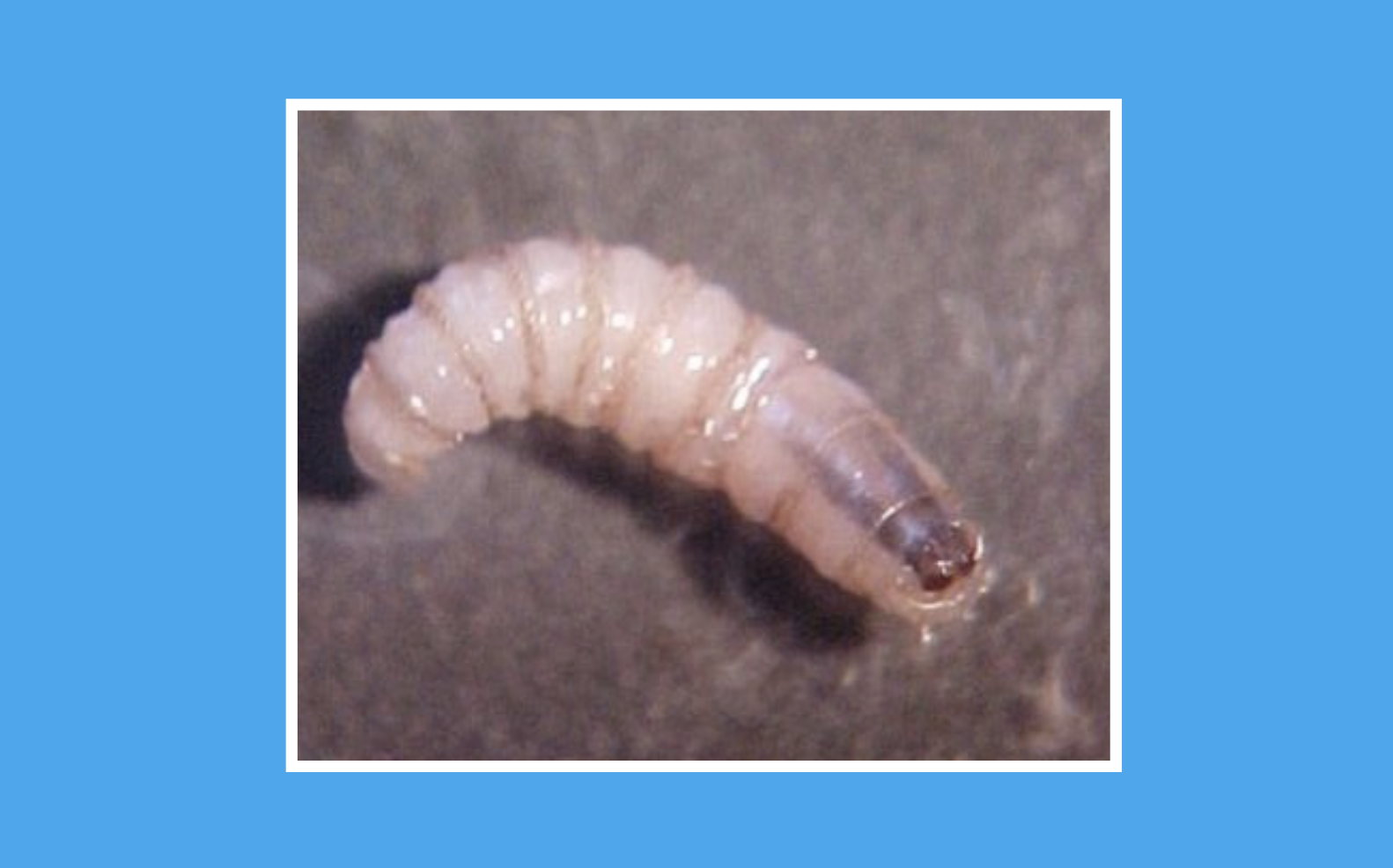
The parasite was detected in a three-week-old calf in Zavala County, south of the state. Authorities activated containment measures and urged animal owners to inspect any wounds with larvae.
The United States Department of Agriculture confirmed a case of New World screwworm in a three-week-old calf in Zavala County, Texas.
The detection marks the first case originated in Texas since 1966 and occurs as state and federal authorities monitor the parasite’s advance from Mexico toward the border.
The New World screwworm is the larva of a parasitic fly that feeds on living tissue of warm-blooded animals. It can affect livestock, wildlife, pets, and, in rare cases, humans.
The USDA and Texas authorities activated personnel in the area to contain and eradicate the parasite. The federal agency reported that the United States’ food supply remains safe.
The case was detected in a Zavala County calf
The case was confirmed after a sample from the calf was sent to the USDA’s National Veterinary Services Laboratory for analysis.
The animal had a wound in the umbilical area, a kind of opening that can attract the adult fly to lay eggs. The larvae can enter through open wounds and begin feeding on living tissue.
Zavala County is located in South Texas, northeast of the United States–Mexico border. The detection occurred after the USDA reported a confirmed case in the Mexican state of Coahuila, about 25 miles south of the Texas border.
Authorities established a control zone around the affected area and increased surveillance to identify any other cases.
The parasite can cause severe injuries in animals
The screwworm larvae can infest wounds, cuts, navels of newborn animals, and other openings in the body.
Unlike other larvae that feed on dead tissue, the New World screwworm consumes living tissue. Without treatment, an infestation can cause severe injuries, infections and the animal’s death.
The parasite poses a particular threat to livestock, but it can also affect horses, deer, pets, birds and other warm-blooded animals.
Human cases are rare, though they can be serious. People with open wounds or suspicious injuries should seek medical attention.
Animal owners should inspect wounds and report larvae
The Texas Animal Health Commission urged owners, caretakers and producers to stay vigilant for the presence of larvae in animal wounds.
Animals with a possible infestation may present wounds that do not heal, discharge, foul odor, irritation or visible larvae. Any suspicion should be reported immediately to a veterinarian or to animal health authorities.
Livestock and pet owners should also carefully inspect newborns, especially the umbilical area, as well as any wounds caused by procedures, fences, bites or insects.
Authorities have not reported other cases in Texas animals related to this detection.
Texas had been preparing a response for months
Texas and the federal government had increased surveillance as the screwworm advances through Mexico and Central America.
The state created a coordinated response team between the Texas Animal Health Commission and the Texas Parks and Wildlife Department to prepare actions for surveillance, treatment and control.
The USDA has also used sterile fly releases as a tool to slow the parasite’s reproduction. The technique helped eradicate the screwworm in the United States during the last century.
Male sterile flies mate with wild flies, but do not produce viable offspring. Ongoing releases reduce the parasite population over time.
The food supply remains safe
The screwworm affects living animals and does not infest meat, fruits, vegetables or other foods.
The USDA stated that the United States’ food supply remains safe following the detection in Zavala County.
Response measures focus on preventing the parasite from establishing or spreading to other areas of Texas and the country.
Animal owners should continue inspecting wounds, seek veterinary care for any suspected screwworm signs, and immediately report the presence of larvae.