
A Balcony That Became a Cage
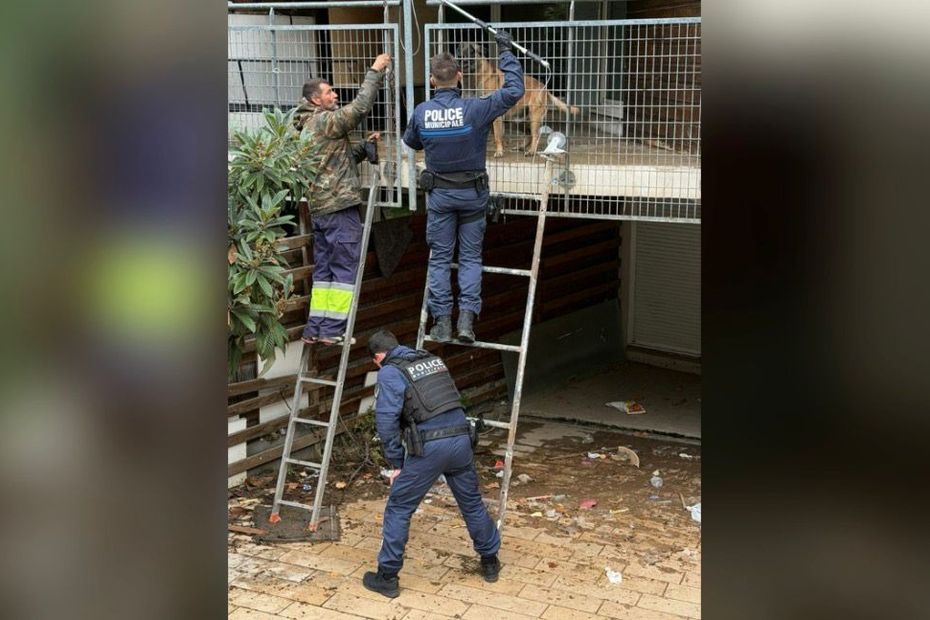
For nearly six months in Marseille, an elderly Belgian Malinois lived alone, confined to a small balcony strewn with his own excrement. Neighbors watched the dog pace, hour after hour, in a space no larger than a closet. Each day brought more isolation, more filth, and a heartbreaking silence that settled over the courtyard.
The makeshift enclosure offered only stale air and relentless exposure. With no proper shelter, the dog endured heat, cold, and rain, a forced vigil on the first-floor ledge that replaced the simple comfort of a bed.
Community Compassion in Action
Worried residents began to act, passing food to the dog through iron rails and whispering soft words of comfort. Their efforts were tender, if improvised, a lifeline in a place that had become a prison. They documented what they could, shared concerns, and insisted that help be found.
The situation wasn’t unknown to local advocates. Volunteers had tried to intervene, reaching out to the owner, urging a change that never truly came. The weeks grew longer, and the neighborly acts of kindness became a solemn routine, a community care plan with painfully narrow possibilities.
The Urgency of Enforcement
Ultimately, municipal police, supported by national officers, intervened to free the animal. The operation was deemed urgent, given the duration and the degrading conditions since late summer. Authorities framed the rescue not as an option, but as a necessity, the only humane response to prolonged confinement.
“This was an indispensable intervention against an intolerable situation,” authorities said after the rescue. The statement captured a collective feeling: that responsibility for a living being is not symbolic, but concrete, daily, and nonnegotiable.
From Suffering to Specialized Care
After removal from the balcony, the Malinois was placed with the association Les Animaux du Cœur, where he could receive assessment and care. The first hours were about stability—hydration, gentle contact, and a quiet space to rest. Then came the longer checklist: veterinary exams, nutritional support, and a slow reintroduction to trust and routine.
For elderly dogs, recovery is both physical and emotional. Muscles weaken with inactivity, and confidence erodes in the absence of safety. Rehabilitation requires patience, predictable rhythms, and positive reinforcement that rebuilds a sense of security.
A Mirror to a Wider Problem
This case underlines a broader issue: animal neglect is not always loud, but it is always damaging. Across France, authorities report rising calls about maltreatment, from overt violence to quieter forms of abandonment—the slow forgetting of an animal’s basic needs. Enforcing the law means not only punishing abusers, but preventing harm through education and support.
Community vigilance remains a lifeline. When neighbors notice warning signs, timely action can prevent months of suffering. The line between concern and intervention is crossed when health, dignity, and safety are clearly at stake.
What You Can Do If You Suspect Neglect
- Document visible conditions discreetly: limited space, clear filth, lack of water, or signs of poor health.
- Speak first, if it feels safe—sometimes owners lack knowledge, not intent.
- Contact local authorities or an animal welfare association when conditions don’t change.
- Offer temporary support—food, blankets, or referrals—without enabling continued neglect.
- Follow up with respectful persistence, keeping the animal’s welfare at the center.
The Responsibility We Share
Caring for a dog is not a hobby, but a daily commitment. From walks and mental stimulation to clean water and consistent shelter, these needs define the threshold between companionship and cruelty. When that threshold is crossed, intervention is not only legal, but moral.
For older animals, kindness must be immediate and practical. Soft bedding, slow walks, and medical care help restore comfort. A calm environment—predictable and warm—can make the difference between anxiety and a dignified rest of life.
Looking Ahead With Measured Hope
The rescued Malinois now has a path forward, however fragile. If recovery proceeds well, he could eventually be adopted into a quiet home where routine and gentleness prevail. Even if adoption isn’t possible, a sanctuary setting can still offer comfort, company, and a peaceful final chapter.
Cases like this remind us that oversight is a form of love, that noticing is an act of care. A single balcony became a test of community resolve, and in the end, compassion and law acted together. What began as neglect may yet conclude with patience, treatment, and dignity—the very basics every animal deserves to know.