
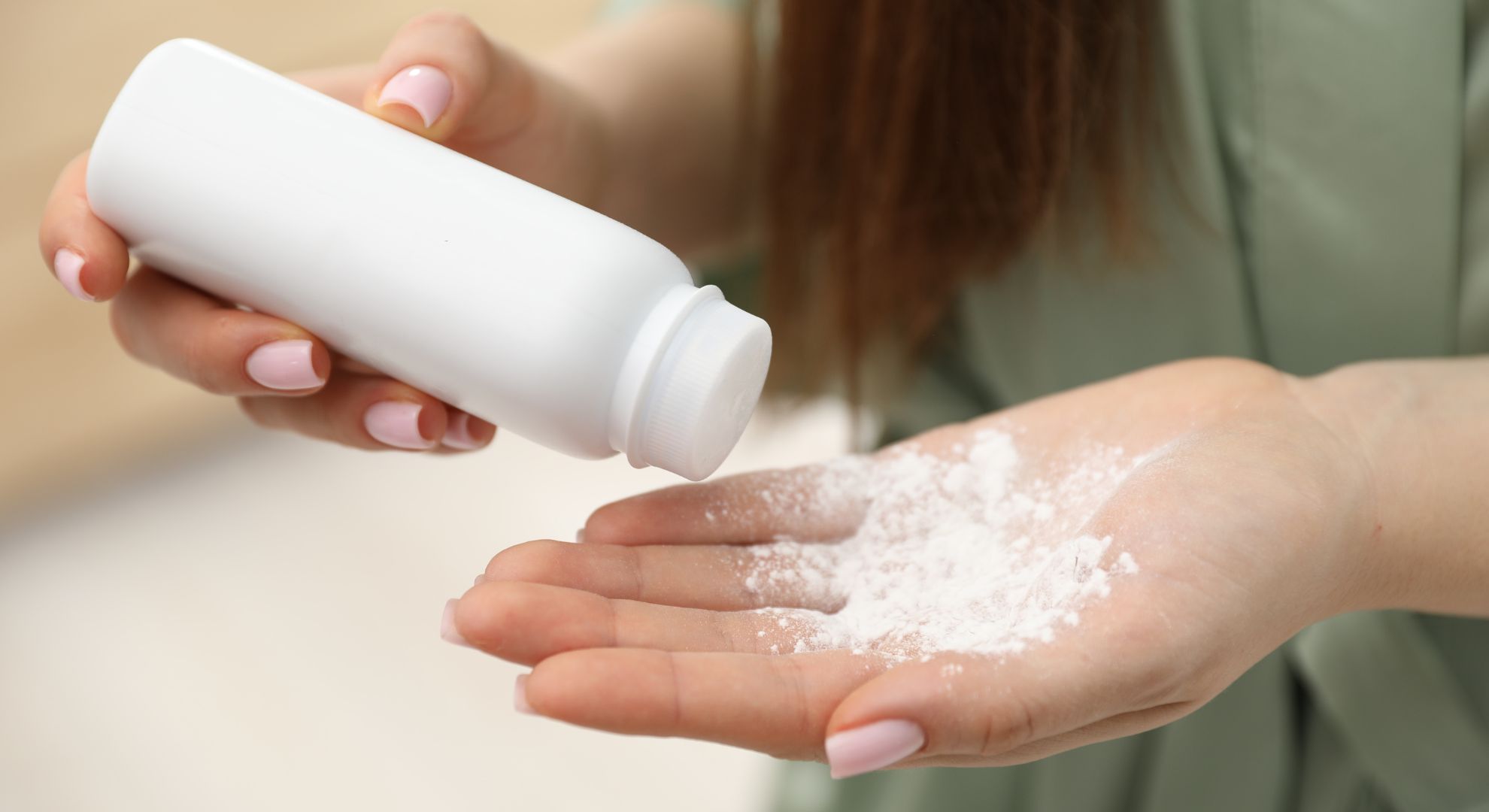
Millions of people reach for an aerosol dry shampoo to stretch a blowout and save a morning. But recent recalls posted by the FDA highlighted that some cans were contaminated with benzene due to issues in the propellant, not the powder itself. “It’s not the powder—it’s the push,” as one consumer advocate put it, and that subtle distinction matters for safety and trust.
What triggered the alarm
Independent labs first raised red flags after detecting benzene in certain aerosol personal care products, which prompted brands to conduct testing and issue voluntary recalls. FDA-listed notices later confirmed that in some lots, benzene showed up above established limits, linked to contamination in the petroleum-derived propellant blend—typically butane, isobutane, or propane.
Crucially, benzene wasn’t intentionally added to the hair-refreshing formula. The problem originated upstream, where propellants can carry impurities if quality controls or filtration fall short. “Aerosol is a chemistry supply chain,” one chemist likes to say, “and the chain is only as strong as its cleanest link.”
Not every can is affected, and not every brand or lot is implicated. Testing showed batch-to-batch variability, which is why recalls often list specific codes and production dates. The takeaway is practical: check your exact product, not just the headline.
Why benzene matters
Benzene is a known human carcinogen, associated with leukemia and other blood disorders following chronic exposure. Short-term, high-level exposure can cause dizziness, headaches, and irritation, though typical cosmetic use generally involves lower doses. Still, inhalation from a spray can increase exposure versus a non-aerosol format.
Regulators treat benzene with a “keep it as low as possible” mindset, and in cosmetics it’s not allowed except as an unavoidable trace from contamination. When testing found levels above conservative thresholds used for risk assessment, recalls became the prudent move. “When in doubt, take it out,” is the quality mantra many brands now adopt.
How to check your can
If you have an aerosol dry shampoo at home, verify your lot against the brand’s recall page or the FDA’s database. You’ll usually need the lot code stamped on the bottom or seam of the can. If the code matches a recalled range, stop using it and follow refund or disposal instructions.
Don’t rely on smell or appearance; benzene issues aren’t detectable by the nose or the eye. Be cautious with third-party testing gadgets that promise instant answers—few are validated for complex aerosol matrices.
Smarter ways to refresh hair
Non-aerosol options bypass propellants entirely and can be just as effective with the right technique. Look for loose powder shakers, pump-powered mists (which push with air, not gas), or lightweight foams that evaporate cleanly. For true minimalists, a bit of cornstarch on a brush can tame shine in a pinch.
If you continue using aerosol, treat it like a tool, not a fragrance. Spray briefly, hold the can 6–10 inches away, and ventilate the room. Target roots, let it sit, then brush through for an even, natural finish.
• Quick steps now: check recall lists, consider a non-aerosol swap, ventilate when spraying, use shorter bursts, and store cans away from heat and sunlight.
What brands and regulators are doing
Since the recalls, manufacturers and propellant suppliers have tightened specifications, added benzene screening, and revised incoming-material audits. Some brands are reformulating or shifting hero SKUs to non-aerosol formats, while others are using nitrogen propellants or higher-purity hydrocarbon grades.
Regulators continue monitoring recalls and submissions, and they’ve signaled that benzene should not be present beyond trace, technically unavoidable levels. The signal to industry is clear: verify upstream, document controls, and test like your reputation depends on it—because it does.
How to read labels with more confidence
On an aerosol can, the propellant typically appears high in the INCI list as butane, isobutane, or propane. Seeing those names doesn’t mean a problem; it tells you the product uses a hydrocarbon push. If you prefer to avoid that category for now, choose “powder,” “pump spray,” or “non-aerosol” on the box or product page.
Remember that risk isn’t binary—context and frequency matter. Occasional use from a non-affected lot is different from daily application in a small, unventilated space. Small habit shifts can create a big margin of safety.
The bottom line for your routine
The root issue was a contaminated propellant, not the oil-absorbing starches you massage into your roots. Independent testing, brand actions, and FDA-listed recalls did what they’re supposed to do: surface a hazard, remove affected stock, and push the market toward safer supply chains.
If you have an aerosol dry shampoo, take one minute to check your lot, consider a non-aerosol backup, and spray smarter when you can. “Pause, check, proceed” is a calm path forward—protect your health without sacrificing your good hair days.