
Premium ambitions meet stubborn realities
For years, Xiaomi, Honor, and OnePlus have pushed into the premium tier with sleek designs, cutting-edge chips, and bold camera stacks. Yet their climb in the high-end segment remains slower than expected. The gap isn’t about missing features; it’s about closing a deep trust and perception deficit.
At the top, Apple and Samsung sell more than hardware; they sell assurance. Buyers spending four figures want reduced risk: consistent updates, painless repairs, reliable trade-ins, and known resale value. Chinese players have improved fast, but the premium playbook requires more than great specs.
The ecosystem moat
High-end loyalty is powered by ecosystems, not just devices. Apple’s tight mesh of iMessage, Watch, AirPods, and iCloud creates a sticky, seamless web. Samsung replicates this with Galaxy Buds, Watches, SmartThings, and continuity across phones, tablets, and PCs.
Chinese brands offer solid wearables and smart-home gear, but global coherence lags. Services are often fragmented by region, with cloud, payments, and subscriptions varying country by country. Without daily, low-friction services, feature wins struggle to become loyalty.
Distribution, carriers, and after-sales
Premium share is won in stores and through carriers, not only on spec sheets. In the US, limited carrier presence blocks visibility and the financing plans that make $1,000 phones standard. Even in Europe, shelf space, trained staff, and promo bundles favor incumbents.
After-sales remains a sticking point. Shoppers ask: Will repairs be fast and genuine? Are trade-in values reliable after two years? Big-ticket buyers pay for the comfort of known support, not just benchmark charts.
Software trust and longevity
Update policies define long-term confidence. Samsung now promises up to seven years of OS upgrades on flagship models, resetting buyer expectations. Chinese brands have extended support, but perceptions still trail reality in key markets.
Privacy and geopolitical headlines also cast shadows, even when not product-specific. A premium purchase is part logic, part emotion; lingering doubts become deal-breakers at the checkout. Winning here demands clear, audited, and loudly communicated assurances.
The pricing paradox and margin math
Premium hardware only works with premium margins. Top-tier cameras, custom silicon, exotic materials, and network certifications all raise costs. As prices rise, the “value champion” story erodes, and halo models risk cannibalizing upper-midrange heroes.
Meanwhile, Apple and Samsung turn brand equity into pricing power. Financing, cashback, and aggressive trade-ins turn €1,299 into a monthly habit. Competing head-on requires deeper subsidies, which strains profitability unless services scale.
Cameras, design, and differentiation
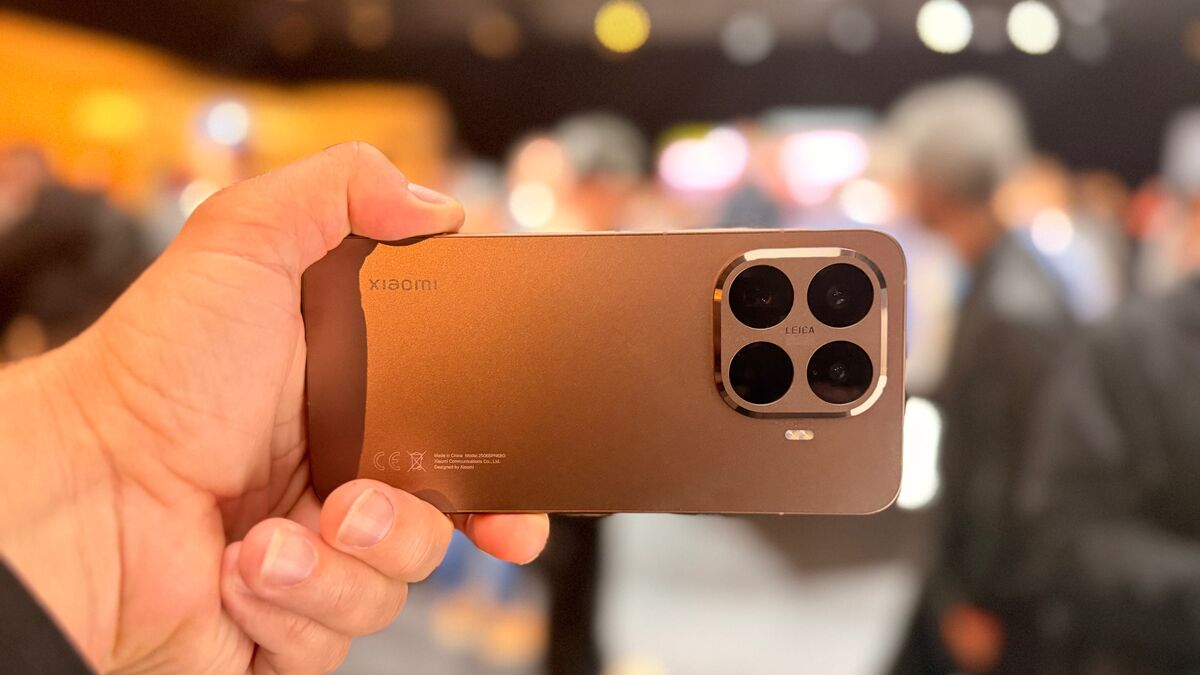
On imaging, Chinese brands have made real leaps: larger sensors, periscope zooms, and advanced processing. Co-branding with Leica or Hasselblad signals intent, and the results can be exceptional. But consistency across scenes and video is as crucial as wow-factor shots.
Design has become more distinctive, from vegan leather backs to bold camera islands. Yet iconic recognition takes time and repetition. Foldables offer a fresh angle, but durability, crease quality, and software polish must exceed early-adopter expectations.
The status signal
Premium phones are cultural objects, not just tools. A logo can communicate taste, security, or professional polish in a split second. Apple and Samsung have decades of implicit endorsement from workplaces, creators, and celebrities.
Chinese brands often over-index on specs, under-index on semiotic signals. Packaging, retail lighting, launch narratives, and even ringtone soundscapes contribute to status. Buyers want to feel they’ve chosen the “safer” bet, not merely the faster chip.
What would actually move the needle
- Seven-year, contract-backed OS and security updates, with a public track record.
- Deep carrier integration in key Western markets, including business fleet deals.
- Unified global services that are genuinely great: cloud, backup, wellness, and payments.
- Strong trade-in and certified refurbished programs to protect resale value.
- A singular halo device with unmistakable identity, not just high scores.
“Premium isn’t a spec sheet; it’s the art of removing doubt at every step.”
The road ahead
The opportunity remains vast. Many consumers are tired of incremental upgrades and crave freshness. On raw innovation, Chinese brands are fast, daring, and remarkably efficient.
The premium breakthrough will come from operational discipline as much as invention. Nail updates, expand after-sales, lock in services, and lean into brand meaning, not just metrics. When risk feels lower than the incumbent’s, the premium crown will feel within reach.