
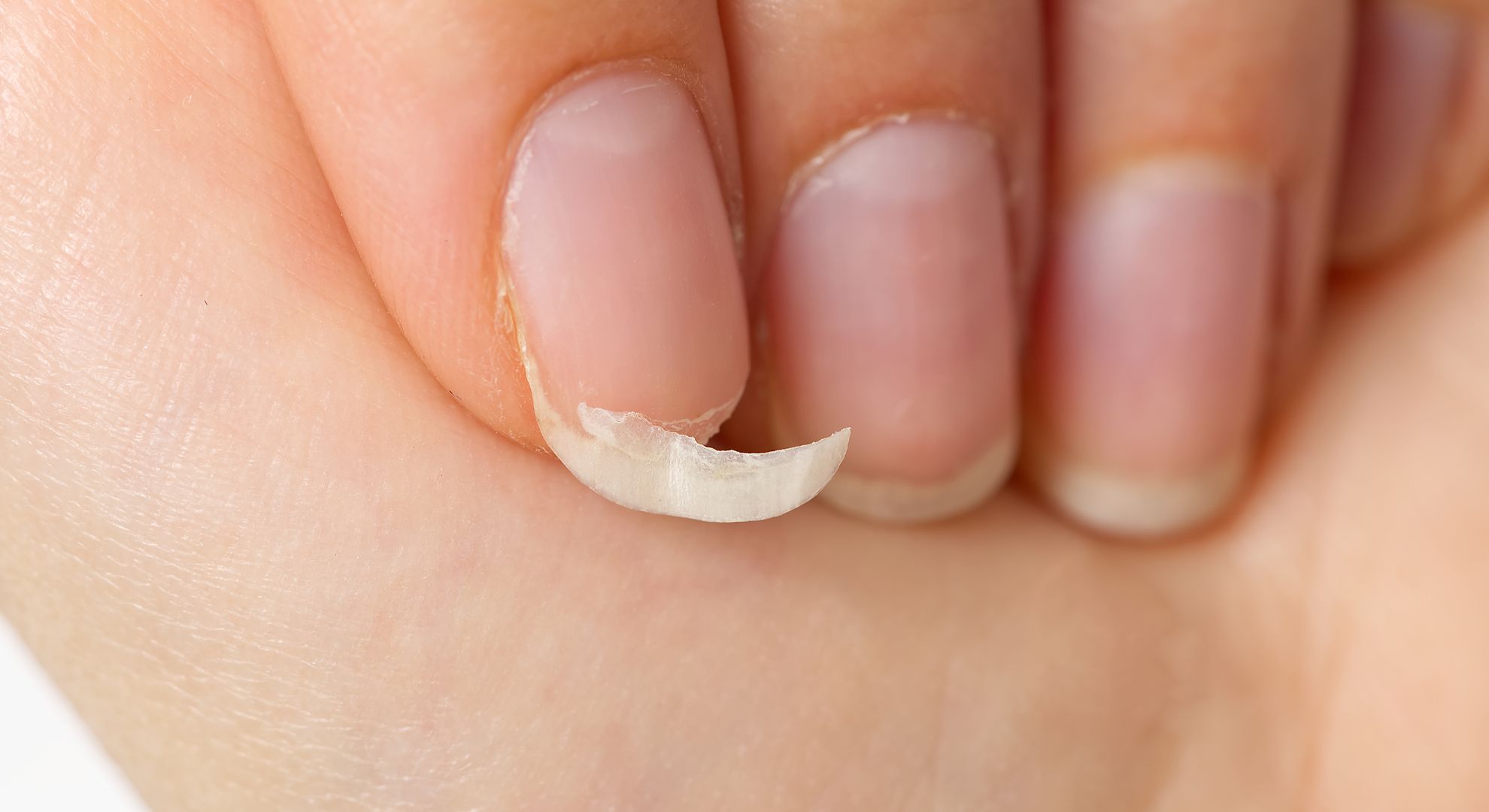
Your nails are small, but their stories are loud. When they chip, split, or peel for no obvious reason, your body may be sending an early signal. Many of us shrug it off as bad polish or dry weather. Yet clinicians often remind patients, “the body whispers before it screams.” Fragile nails are one of those whispers.
It isn’t about vanity. It’s about biology. Nails sit at the crossroads of nutrition, hormones, environment, and habits. When that balance tilts, your nail plate is often the first structure to show it.
What brittle nails really say about biology
The nail plate is layered keratin, bound by lipids and water. When those layers lose moisture, they separate like old plywood. Repeated wetting and drying leaches natural oils, turning flexibility into fracture.
Cold air, harsh detergents, frequent sanitizers, and aggressive manicures all compound the damage. “Think of nails like a sponge wrapped in glass,” says one clinician. “Too much soaking, too much scraping, and the glass begins to splinter.”
Hidden drivers you might miss
Not all fragility is cosmetic. Iron deficiency can thin the plate. Low thyroid can slow growth and reduce shine. Low-grade inflammation from skin conditions like eczema or psoriasis can distort texture. Fungal overgrowth can make nails crumbly and discolored.
Medications matter too. Some acne treatments, antibiotics, or chemotherapy can alter nail integrity. Diets light on protein, essential fats, or minerals leave keratin without its building blocks. “When inputs are scarce, outputs look tired,” as nutritionists often say.
Clues worth noticing at home
Before panic, run a quick check. Patterns can guide next steps.
- Peeling layers and soft edges: excess water, solvents, or over-buffing; sometimes low protein or iron
- Horizontal splits: repeated trauma, tight shoes for toenails, or past severe stress
- Vertical ridges: often normal with age, worse with dryness or low hydration
- Spoon-shaped dips: possible iron deficiency—flag for testing
- Yellowing and thickening: consider fungal infection or frequent dark polish
- Slow growth and coarse texture: think thyroid or nutrition gaps
These are clues, not verdicts. One sign rarely tells the whole story.
When to book an appointment
Get medical advice if nails change rapidly, hurt, or detach from the bed. Seek help for pronounced spooning, severe thickening, streaks of dark pigment that don’t grow out, or redness and swelling around the cuticle. If you have fatigue, hair changes, cold intolerance, or unusual cravings, mention them; the nail story may be part of a larger plot.
Stronger nails start with smarter care
Start simple and stay consistent. Keep nails a modest length to reduce leverage and snapping. File in one direction, not back and forth. Moisturize after washing—think of nails as skin that loves occlusion. Balms with petrolatum, shea, or lanolin seal in water.
Wear gloves for dishes, cleaning, and gardening. Limit acetone and long soaks. Space out gel or acrylic services, and avoid picking or peeling polish. Choose gentle removers, and give nails a periodic holiday from color.
Feed the matrix, not just the manicure. Prioritize lean proteins, leafy greens, beans, nuts, seeds, and colorful produce. Iron from legumes and meats needs vitamin C for better absorption. Omega-3 fats support nail-bed moisture. If you suspect gaps, discuss labs like ferritin or TSH with a clinician before supplementing.
Biotin gets lots of hype, but evidence is mixed unless you’re truly deficient. More isn’t always better, and it can interfere with some lab tests. Professional guidance beats guesswork.
A better way to read the signs
Track changes with a photo every two weeks. Note products used, diet shifts, stress spikes, and seasonal swings. Patterns appear when you give them time. “What gets measured gets managed,” goes the old line—and nails are no exception.
If you visit a provider, bring your timeline. Share other body clues—energy, skin, digestion, cycles, or sleep. Ask whether iron studies, thyroid screening, B12, or a fungal culture make sense for your case. The goal isn’t perfect nails; it’s a clearer picture of health.
Small habits, stacked together, change outcomes. Treat nails as living archives, not ornaments. Protect them from daily wear, feed them from the inside, and listen when they murmur. Your body keeps score in quiet places. Sometimes, the smallest canvas holds the loudest message.

Would be very, very helpful if you included photos of the nail conditions you describe. What does a “spoon shaped dip” look like, or verticle ridges and horizontal splits? Thanks.