
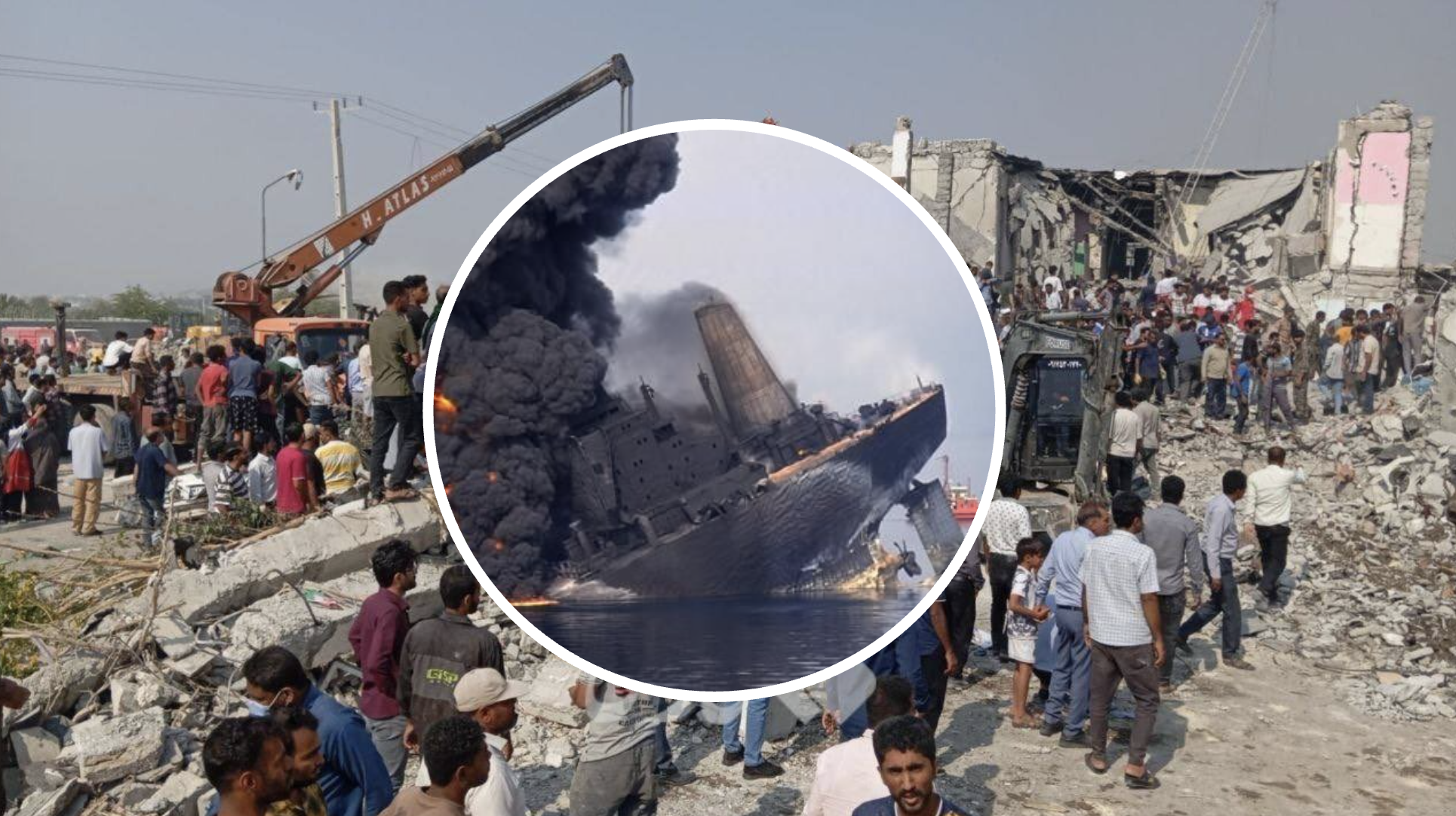
Washington — As the military conflict between the United States and Israel against Iran enters a critical phase this March 2026, the effects of the confrontation have ceased to be a matter of geopolitical strategy and have become a tangible reality in American households.
The escalation, marked by direct attacks and the closure of vital trade routes, is taking a heavy toll in terms of military lives and economic stability.
One of the most immediate and visible effects is the historic rise in gasoline prices. After the de facto closure of the Strait of Hormuz by Iranian forces (a chokepoint through which about 20% of the world’s oil transits), the price per barrel has surpassed the $110 mark. In the United States, this has translated into a drastic uptick at service stations. The national average for a gallon of regular gasoline jumped from $2.98 in the lead-up to hostilities to more than $3.50 within days, with states like California reporting prices exceeding $5.20.
Analysts warn that, if the maritime route closures persist, annualized inflation in the U.S. could quickly rise to around 3%, also affecting the cost of transporting food and consumer goods.
In military terms, the administration has had to confront the painful reality of battlefield casualties. Recent reports confirm that at least seven U.S. service members have died and dozens have been injured in missile and drone attacks launched by Iran against bases in the region, including facilities in Iraq, Kuwait, and Jordan.
The Pentagon has identified several of the fallen, which has sparked an intense debate in Congress about the duration and aims of this “New Cold War.” Although President Donald Trump has stated that the operation seeks a “long-term benefit” by neutralizing the regime’s capabilities, the steady stream of coffins draped in the national flag is increasing internal political pressure.
The tension is not limited to exchanges of fire. The energy infrastructure of key allies such as Saudi Arabia and Qatar has also been targeted, which has paralyzed liquefied natural gas exports, further straining international financial markets. The stock exchanges in New York and Europe have shown high volatility, with significant declines in the transportation and manufacturing sectors.
Moreover, U.S. security agencies have raised alerts about potential cyberattacks on critical infrastructures and the risk of a humanitarian crisis that could displace thousands in the Middle East, complicating border and asylum policies.
While the White House maintains a stance of “unconditional surrender” by Tehran, the global economy and American families remain watchful for a possible de-escalation that would ease pressure on their wallets and halt the flow of military casualties.