
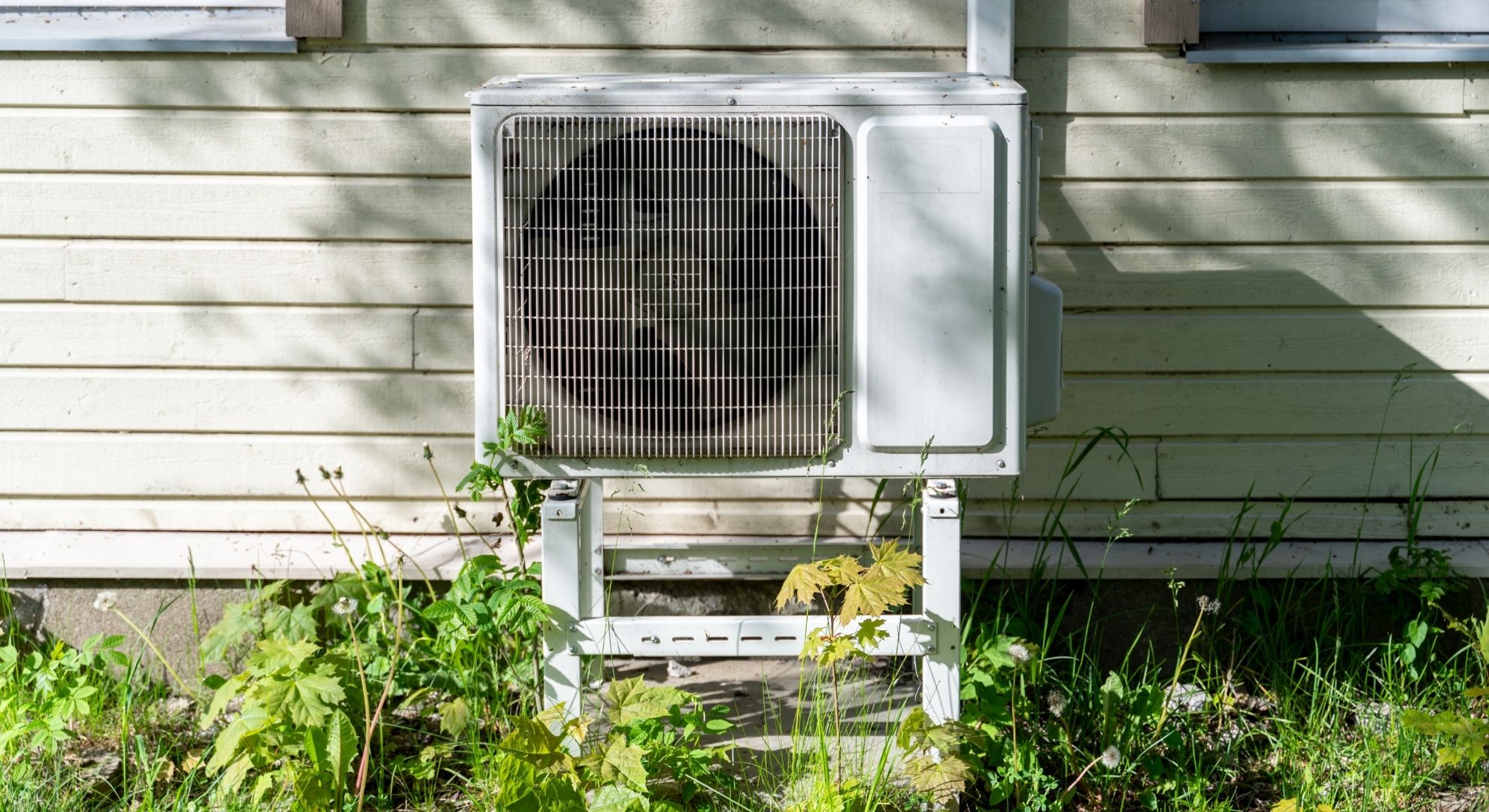
Small, sleek, and whispery—on paper, mini-splits look flawless. In practice, the story is more complicated. Homeowners love the zoning and the efficiency, yet many discover quirks that no glossy brochure will highlight. Think of this as a field note from the real world, not a sales call.
Noise isn’t gone, it just moves
That soft outdoor “purr” can become a high‑frequency whine that carries farther than a traditional condenser. Indoors, the fan’s “quiet” mode is gentle until the unit ramps to chase a rising load. “It’s not loud, but it’s a persistent tone,” one condo owner shared. Place a head near a crib, piano, or desk and you may notice a delicate hum that’s hard to ignore.
Lines can vibrate in the wall, and condensate pumps make a tiny but rhythmic tick. A poorly sited outdoor unit can beam noise into a neighbor’s window or bounce off hard surfaces. Good installers plan for reflections, rubber isolators, and real setbacks, not just lab decibels.
Cold-climate reality and defrost quirks
Yes, the brochures tout dazzling HSPF, but output falls as temperatures plunge. The unit must defrost, which can blow cool air or pause heating right when you crave warmth. “On icy mornings, it’s hot, then meh, then hot again,” says a Vermont homeowner.
Some models cope better with low temps, but many need electric backup that spikes your bill. Sizing to your climate’s design temperature and knowing the unit’s real low‑ambient capacity are not optional details.
Maintenance is not just a quick rinse
You will need more than a casual filter rinse. Fine dust and kitchen aerosols glue onto the coil and fan, forming biofilm that slashes efficiency and grows odor. Deep cleaning means coil bags, foam, and careful rinsing—plan on pro service every 1–2 years and monthly homeowner care.
Expect $200–$500 for periodic coil cleaning, more for multi‑head systems. “Neglected heads drip and stink,” a tech told me, “and those ‘washable’ filters don’t catch the grease.” If you hate ladder work, budget for regular visits.
Comfort can be spotty, not “whole‑home”
A wall head throws air in a cone, not through hidden ducts that sweep and mix. You may get warm walls and cool corners, or a toasty zone while a hallway stays chilly. In bedrooms, even a gentle breeze can feel drafty at night.
Without returns, the house’s pressure and airflow can get quirky. Ceiling fans help blend layers, but they add one more switch to manage.
Multi‑zone setups often underperform
One outdoor unit feeding many heads sounds efficient, but turndown limits can force short cycling. Oversized indoor units struggle to sip BTUs, so they gulp and stop, hurting comfort and efficiency. Run one small head on a big multi‑zone, and the outdoor can be comically oversized.
You also inherit a tangle of control logic. Some heads ignore setpoints when in shared modes, and mismatched rooms cause real‑world friction. “I wanted flexible zoning; I got a confetti of remotes,” a frustrated buyer said.
Electrical and refrigerant surprises
Many installs need a new 240‑V circuit, a disconnect, and sometimes a panel upgrade. That’s electrician time you may not have budgeted. Long linesets, tight bends, and attic runs raise install risk and future leak odds.
Proper vacuum, nitrogen pressure tests, and accurate refrigerant charge are non‑negotiable. Miss any step and you invite poor performance, noise, or early failure. Refrigerants like R‑410A (and newer R‑32) have climate and safety considerations.
Moisture management is fussy
Gravity drains need correct slope, clean traps, and thoughtful routing. Condensate pumps add a point of failure and an audible click. Algae and “slime” can block pans and stain walls, especially near cooking areas.
In cooling mode, units wring out loads of moisture; in heating, they dry the air and your sinuses. Plan for pan tabs, periodic flushes, and real access to the drain line.
What to ask before you sign
- What’s the verified low‑ambient heating capacity at my design temperature?
- How will you mitigate noise, vibration, and line routing to protect my and my neighbor’s comfort?
- Who handles electrical work, and is a panel upgrade or new breaker needed?
- What are the maintenance intervals, costs, and homeowner tasks I must commit to?
- How will you avoid oversizing heads and multi‑zone short cycling in my floor plan?
- Where will condensate go, and how will we prevent clogs, leaks, and wall stains?
Warranty and service are not the same
Parts warranties rarely cover labor, diagnostics, or refrigerant recovery. Some brands tie coverage to documented annual service, and DIY coil‑clean mishaps can void claims. Ask how long the installer stands behind workmanship, and what “emergency” actually means.
Plan clear service access—not a head boxed in by bookshelves or a unit buried behind shrubs. A great mini‑split can be a superb tool, but only when sized, sited, and maintained with unglamorous discipline. As one seasoned tech put it, “Buy for your house, your climate, and your habits—not for the brochure’s biggest number.”
