
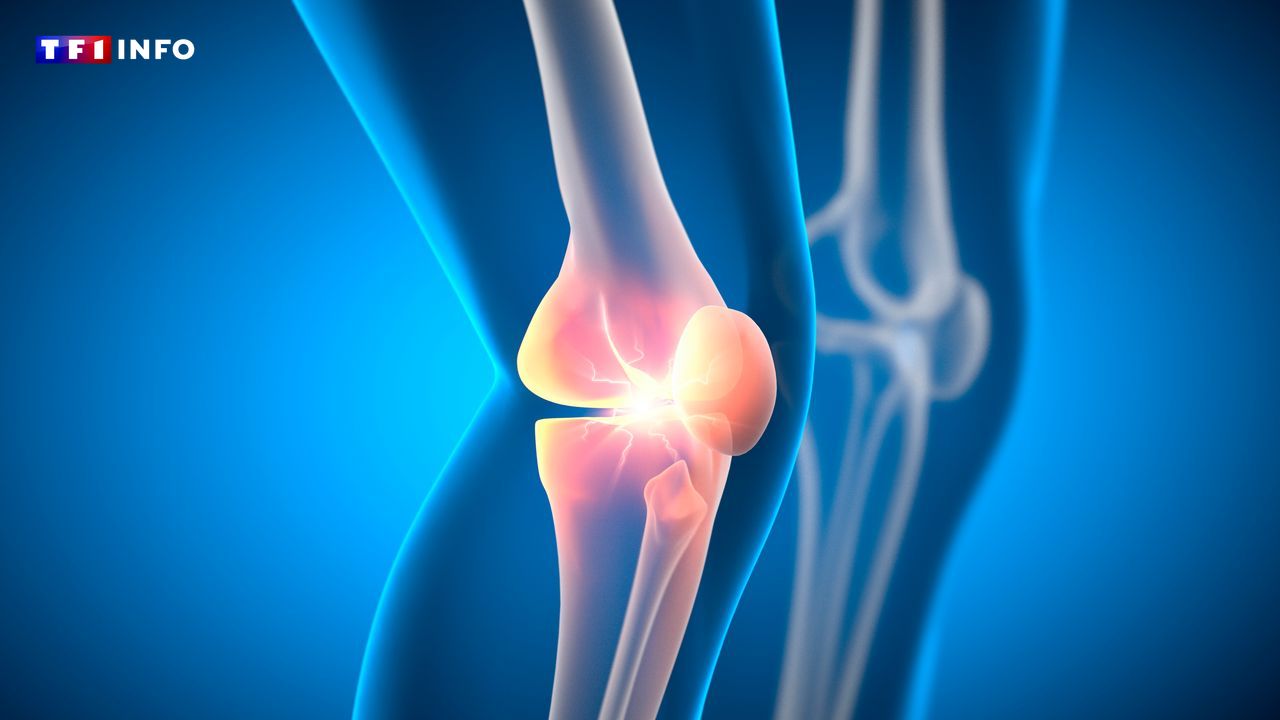
Powerful, pain-free movement depends on more than the joint itself; it rests on the strength and coordination of the surrounding muscles. By targeting the quadriceps, hamstrings, glutes, and the systems that manage balance, you can build knee resilience that pays off in daily life and sport. These simple, no-equipment moves are accessible to beginners yet challenging enough to benefit seasoned athletes.
Why surrounding muscles matter
Your knees act as a hinge, but the real guardians of stability are the muscles above and below. Strong quads help control deceleration, while robust hamstrings and glutes ease the load on the joint during walking, running, and squatting. Improved balance reduces awkward landings and missteps that can trigger strains or sprains. When these systems are trained together, pressure on the joint drops and overall stability rises.
Exercise 1: The wall sit
The classic wall sit is a deceptively simple way to light up your quads and challenge your mental grit. Stand with your back against a wall, slide down until your knees are at a roughly 90-degree angle, and keep your thighs parallel to the floor. Press your lower back gently into the wall, stack your knees over your ankles, and hold steady for 30 to 45 seconds.
To progress, increase the time, add a gentle calf raise at the end of each hold, or alternate lifting one heel at a time while maintaining position. Keep your chest open, breathe steadily, and stop if your knees drift inward or your lower back arches. The goal is controlled, even tension—not a shaky, slumped sit.
Exercise 2: Step-ups for posterior power
Step-ups build the hamstrings and glutes that shield your knees from excessive stress. Place one foot on a low step, box, or sturdy platform, press through the entire foot, and rise until your standing leg is straight. Control the descent, let the trailing foot tap the floor behind you, and repeat for 8–12 reps before switching sides.
Focus on slow, even tempo and avoid pushing off the back foot. Think about “pulling” up with the hamstrings while your glutes drive extension. Start with a step height that keeps your hips level and your knees tracking over the second toe. If balance is a challenge, lightly touch a wall or chair for extra support.
Exercise 3: Single-leg balance
Balance is an unsung hero of knee health, sharpening the neuromuscular control that stabilizes every step. Stand tall on one leg, keep a soft bend in the knee, and hold for 15–30 seconds. To progress, hinge slightly forward at the hips, turn your head side to side, or close your eyes for a bigger challenge.
Aim for calm, steady breathing and a quiet foot tripod: big toe, little toe, and heel sharing the load. If your arch collapses or your hips sway, reduce the challenge and rebuild clean, confident control. Balance work can seem minimal, but it pays major dividends over time.
Form cues that keep knees happy
- Keep knees aligned with the second toe to reduce rotational strain.
- Distribute weight through the entire foot instead of tipping onto the toes.
- Brace lightly through the lower abs to support pelvis and spine.
- Use slow, controlled reps to teach strong, stable patterns.
- Stop if you feel sharp, localized pain rather than general effort.
A simple weekly structure
For a joint-friendly routine, cycle these moves three times per week. Try 3 rounds of a 30–45 second wall sit, 8–12 step-ups per side, and 2–3 single-leg balance holds per leg. Rest 45–60 seconds between sets, and keep your focus on quality reps. As you adapt, add time, reps, or a slightly higher step.
“Stronger knees start with stronger support—train the muscles that guide the joint, and the joint follows.” That mindset keeps you consistent, attentive, and steadily progressing without chasing flashy, high-impact drills.
Progressions and pain checks
If wall sits become easy, try a 60–90 second hold or add a slow, alternating leg extension. For step-ups, raise the platform or add a controlled knee drive at the top for extra stability demand. In balance work, practice hip hinges on one leg or incorporate gentle head turns to challenge your vestibular system.
Distinguish the burn of working muscles from joint discomfort. Dull, symmetrical fatigue is expected; sharp pain under the kneecap or along joint lines is a red flag. When in doubt, shorten the range, reduce time, or seek a tailored assessment from a qualified professional.
Everyday wins that reinforce results
You can amplify these benefits with little daily habits. Take the stairs with mindful, even steps. Stand on one leg while brushing your teeth. Sit and stand from a chair without using your hands. Small, consistent choices build durable knees that carry you confidently, whether you’re walking the dog, playing with kids, or chasing a new personal best.
Build your foundation with patience, protect it with good form, and let these simple moves do the quiet, powerful work of keeping your knees strong for the long run.
