
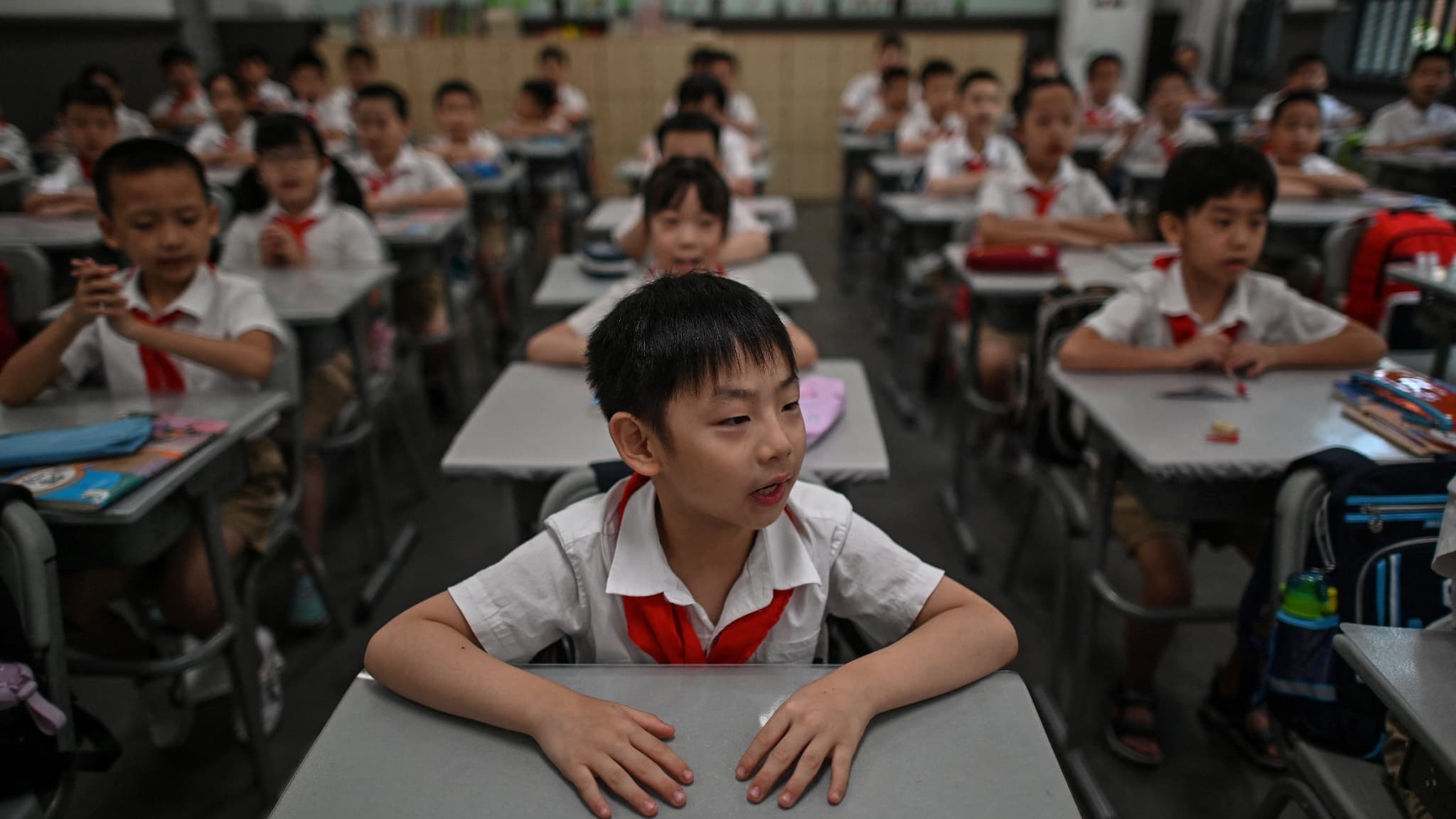
A long day of studying turned into a medical emergency for an 11-year-old in Changsha, China, after he spent roughly 14 hours completing schoolwork. Late that evening, he developed headaches, dizziness, and numbness, prompting a rushed hospital visit. Doctors diagnosed hyperventilation, a stress-related condition that can cause alarming symptoms when the body’s breathing rhythm spirals out of balance. The case, reported by the South China Morning Post, has reignited debate over academic pressure and student well-being in China.
A marathon of homework and mounting pressure
The boy began his assignments at 8 a.m. and kept working until 10 p.m., pushing through fatigue to meet parental and school expectations. Around 11 p.m., under mounting pressure, he developed vertigo, tingling, and a sense of panic. Such prolonged study sessions can amplify physical strain—from shallow breathing and muscle tension to reduced movement—and prime the body for a stress-driven episode. In this case, the intensity of a single day’s work, paired with late-night anxiety, seemed to tip the balance.
What doctors found — and why it matters
At the hospital, clinicians placed the child on oxygen and taught simple breathing exercises to slow his respiratory rate. Hyperventilation occurs when a person breathes too quickly or too deeply, blowing off excess carbon dioxide and altering blood chemistry in ways that can cause tingling, chest tightness, and dizziness. Though frightening, the condition often resolves with calm, controlled breathing, reassurance, and time-limited monitoring. As his breathing normalized, the symptoms eased, and he gradually returned to baseline.
A wider pattern in Chinese classrooms
Doctors in Changsha reported more than 30 similar cases in August alone, largely tied to academic stress and the start-of-term homework rush. The story reflects a broader pattern: intense competition for selective schools, high-stakes exams, and a culture that can valorize long hours over balanced habits. In October 2021, China enacted a sweeping policy to limit homework and curb private tutoring, aiming to reduce burdens on young learners. Implementation, however, remains uneven, and family-level expectations still shape how children spend their after-school time.
Voices from the ward
“Too much pressure, too fast, and for too long can push a child’s body into a state of alarm,” one comment often made by pediatric clinicians warns. Parents, teachers, and students alike can misread hyperventilation as something far more sinister, escalating fear and worsening symptoms. Clear guidance, early breaks, and a focus on steady, healthy routines make a meaningful difference.
What families can do right now
- Set a daily study window with firm start-and-stop times, protecting at least 9–11 hours of sleep for school-age children.
- Schedule short breaks every 30–45 minutes, encouraging movement, water, and a change of posture.
- Teach and practice slow breathing—for example, inhale for 4 seconds, exhale for 6—to retrain the stress response.
- Watch for red flags such as chest tightness, tingling, rapid breathing, or feelings of doom during study periods.
- Prioritize a calm environment: reduce noise, minimize screens, and keep snacks and water within easy reach.
- Coordinate with teachers about workload peaks, asking for sequencing or extensions when demands stack.
- Model balanced habits at home—adults who pause for rest and movement normalize healthy limits.
- If episodes recur, seek pediatric or mental health support to rule out other causes and build coping skills.
Beyond rules: building a culture of care
Policy alone cannot replace day-to-day habits that protect children’s bodies and minds. Academic ambition can coexist with reasonable limits, especially when adults help students pace their effort. Schools that integrate brief movement breaks, steady homework cadences, and explicit stress-management lessons can prevent crises before they start. When a child’s breathing runs away from them, it is often a signal to slow down, not to push even harder.
The Changsha case carries a simple, urgent lesson: achievement is not just about hours logged, but about sustainable practice. A calmer routine, supportive coaching, and periodic rest allow learning to flourish without sacrificing health. Families and schools that recognize the body’s stress signals—and respond early—can keep minor alarms from becoming major emergencies. In doing so, they not only protect children’s well-being but also strengthen the foundation for genuine, long-term success.